


An Atmospheric Tank is a storage container designed to hold liquids at the same pressure as the surrounding ambient atmospheric pressure. It uses a venting system to maintain pressure balance between the inside of the tank and the external environment. This makes it a safe and efficient solution for storing non-pressurized liquids such as water, fuels, and chemicals.
How an Atmospheric Tank Works
An Atmospheric Tank operates using a safety vent installed at the top of the tank. This vent automatically allows air to enter or exit, ensuring that internal pressure remains equal to the external atmospheric pressure.
- Automatic Venting: Adjusts pressure without manual intervention.
- Pressure Balance: Maintains stability as ambient pressure changes.
- Safe Storage: Prevents pressure buildup inside the tank.
- Fluid Stability: Keeps stored liquids under consistent conditions.
This design allows the Atmospheric Tank to operate reliably without pressurization systems.
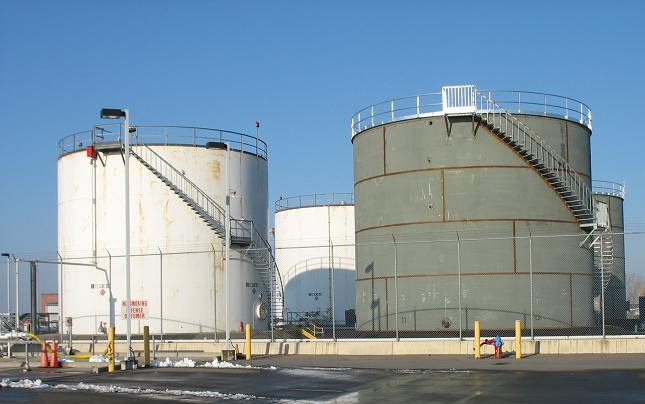
OSHA Compliance and Safety for Atmospheric Tanks
Ensuring OSHA compliance around Atmospheric Tanks is essential for protecting workers and avoiding costly penalties. Proper safety measures, especially fall protection systems, help reduce workplace risks and improve operational safety. Regular safety audits near Atmospheric Tanks can identify hazards and improve access to safety vents and equipment. Since fall protection violations are among the most common OSHA citations, implementing proper safety solutions is critical. Regardless of the stored product, both environmental safety and worker protection must be prioritized. Factors such as tank height, access points, and operational procedures should always meet OSHA and EPA standards.
Applications
- Fuel storage facilities
- Chemical and industrial plants
- Water storage systems
- Bulk liquid storage operations
These tanks are ideal for storing liquids that do not require pressurized containment.
Benefits
- Simple Design: No complex pressurization systems required
- Cost-Effective: Lower installation and maintenance costs
- Operational Safety: Reduces risk of pressure-related hazards
- Reliable Performance: Maintains consistent internal conditions
Safety and Considerations
- Ensure safe access to the top vent for inspection and maintenance
- Install proper fall protection systems for workers
- Regularly inspect vents and structural components
- Follow OSHA and EPA compliance requirements
Maintaining safety standards helps prevent accidents and costly regulatory fines.
An atmospheric tank is used to store liquids at ambient pressure without pressurization.
It uses a safety vent that automatically balances internal pressure with outside air pressure.
Yes, when properly maintained and compliant with safety regulations, it provides safe storage.
They are use in fuel storage, industrial plants, and water storage systems.