


A Balance System is a vapor recovery method used in tanker fueling stations to capture and store fuel vapors during loading operations. Instead of allowing vapors to escape into the atmosphere, the system redirects them into a separate storage tank.
As a result, it helps facilities stay compliant with Environmental Protection Agency (EPA) regulations while also reducing fuel loss.
How a Balance System Works
A Balance System uses pressure generated during fuel transfer to move vapors safely.
- As liquid fuel enters the tank, vapors are displaced
- These vapors are pushed toward an exit valve
- The vapors are transferred into a separate recovery tank
- No external energy is required for the process
Therefore, the system is both efficient and cost-effective for vapor recovery. In many fueling operations, systems like loading arms and couplings are used to support safe and controlled transfer. Additionally, grounding and monitoring systems help prevent static discharge during vapor recovery operations.
Why Vapor Recovery Matters
The Environmental Protection Agency estimates that over 140 million gallons of fuel evaporate annually in the United States. Therefore, vapor recovery systems are critical for reducing product loss.
A Balance System helps to:
- Reduce fuel evaporation losses
- Improve environmental protection
- Support regulatory compliance
- Increase operational efficiency
Moreover, using spill containment systems helps protect surrounding areas from accidental releases during fueling operations.
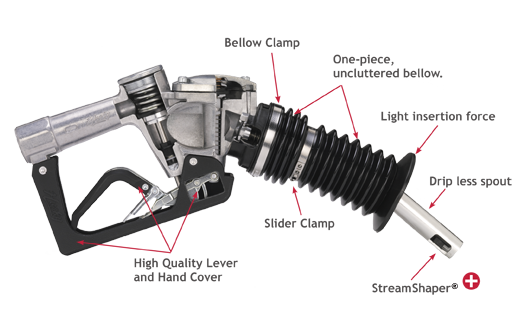
Key Features of a Balance System
A modern Balance System relies on durable, industrial grade components:
- Synthetic rubber tubing for corrosion resistance
- Braided steel wire reinforcement for strength
- Nitrile or Chemivic rubber covers for durability
- Thermoplastic outer hose with textile reinforcement
- Wire helix structure for flexibility and longevity
In addition, loading racks and skids support efficient and safe fueling station operations. To maintain performance, operators must regularly inspect nozzles for wear, cracks, or leaks. Furthermore, truck loading systems are commonly integrated into vapor recovery operations.
Maintenance & Best Practices
To ensure optimal performance of a Balance System:
- Inspect dispensing nozzles frequently
- Replace damaged hoses immediately
- Ensure all connections are airtight
- Keep spare parts available to reduce downtime
- Install aspirators where required for vapor control
In addition, railcar loading systems are use in large distribution facilities for efficient vapor-controlled transfers.
Regulatory Importance
Vapor recovery is not optional it is a regulated requirement. States like California enforce strict emissions standards, and many other states are adopting similar regulations.
Therefore, a properly maintained Balance System helps facilities:
- Meet EPA compliance requirements
- Avoid regulatory penalties
- Maintain environmental responsibility
- Improve fuel efficiency
Applications
Balance Systems are widely use in:
- Fuel terminals
- Tanker truck loading stations
- Petroleum distribution facilities
- Bulk liquid storage operations
In these environments, fall protection systems ensure worker safety during elevated operations.
Why Balance Systems Are Important
Without a Balance System:
- Fuel vapors escape into the atmosphere
- Product loss increases significantly
- Environmental damage becomes more severe
- Regulatory compliance becomes difficult
Therefore, installing a Balance System is essential for both environmental protection and operational savings.
It is a vapor recovery method that captures fuel vapors during tank filling and stores them instead of releasing them.
It redirects displaced vapors into a recovery tank instead of allowing them to escape.
It is use in fuel terminals, tanker stations, and industrial loading facilities.
It helps reduce fuel loss, ensures compliance, and protects the environment.