


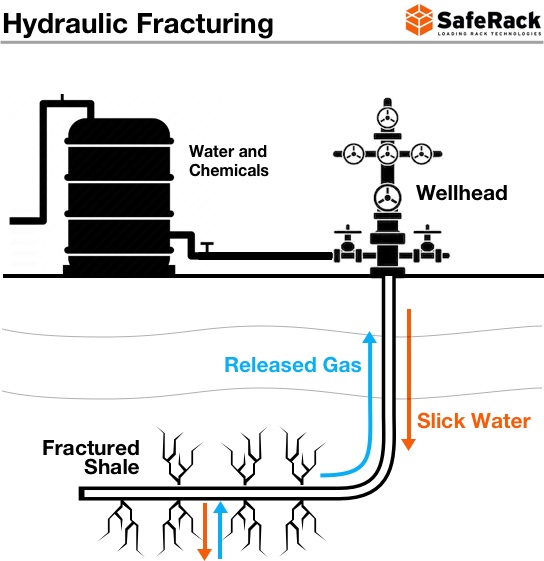
Slickwater is a specialized hydraulic fracturing fluid used to increase the flow of oil and gas from underground shale formations. It is primarily water mixed with chemical additives that reduce friction, allowing the fluid to be pumped at very high rates to create fractures in rock formations.
In oil and gas operations, slickwater systems are handled using advanced infrastructure like loading platforms and truck loading systems to ensure safe chemical transfer and handling.
How Slickwater Works
Although Slickwater is engineered to reduce friction and improve pumping efficiency during hydraulic fracturing.
Process:
- Water is mixe with friction-reducing chemicals
- The fluid is pumpe into the well at high pressure
- Pressure fractures the shale formation
- Sand or proppants keep fractures open
- Oil and gas flow more freely through the cracks
Although Slickwater can be pumped at rates up to 100 barrels per minute, compared to lower rates without friction reducers.
Key Components of Slickwater
Although Slickwater contains mostly water with a small percentage of additives.
Main Components:
- Water (98–99%) – primary fluid base
- Friction reducers (polyacrylamide) – increase flow speed
- Biocides – prevent bacterial growth
- Surfactants – keep sand suspended
- Scale inhibitors – prevent mineral buildup
Additional chemicals may include methanol, hydrochloric acid, and ethylene glycol, depending on well conditions.
Applications
Although Slickwater is widely use in:
- Oil and gas extraction (hydraulic fracturing)
- Shale gas development
- Energy production facilities
- Petrochemical industries
These operations rely on systems like loading arms and couplings and grounding and monitoring systems to ensure safe handling of fluids and chemicals.
Benefits and Importance
Although Using slickwater provides several advantages:
- Allows higher pumping rates
- Improves fracture creation in shale formations
- Increases oil and gas recovery
- Reduces friction and energy consumption
- Enhances operational efficiency
Environmental and Safety Considerations
While slickwater is effective, it requires careful handling due to chemical additives.
Key Concerns:
- Potential groundwater contamination
- Use of large water volumes (1–5 million gallons per operation)
- Handling of toxic chemicals in some formulations
- Strict regulatory oversight
Facilities mitigate risks using spill containment systems and containment berms to prevent environmental hazards.
Additive Concentration
Although slickwater contains chemicals, the concentration is relatively low:
- Additives: 0.5% to 2%
- Water: 98% to 99.5%
Different wells require customized formulations depending on geological conditions.contamination appear either very scarce or else non-existent.
Although Slickwater is a water base fluid use in hydraulic fracturing to increase oil and gas flow.
Although reduces friction, allowing fluid to be pumpe at higher speeds and pressures.
It can pose environmental risks if not properly managed, but regulations help control its use.
Although Common additives include friction reducers, biocides, surfactants, and scale inhibitors.