


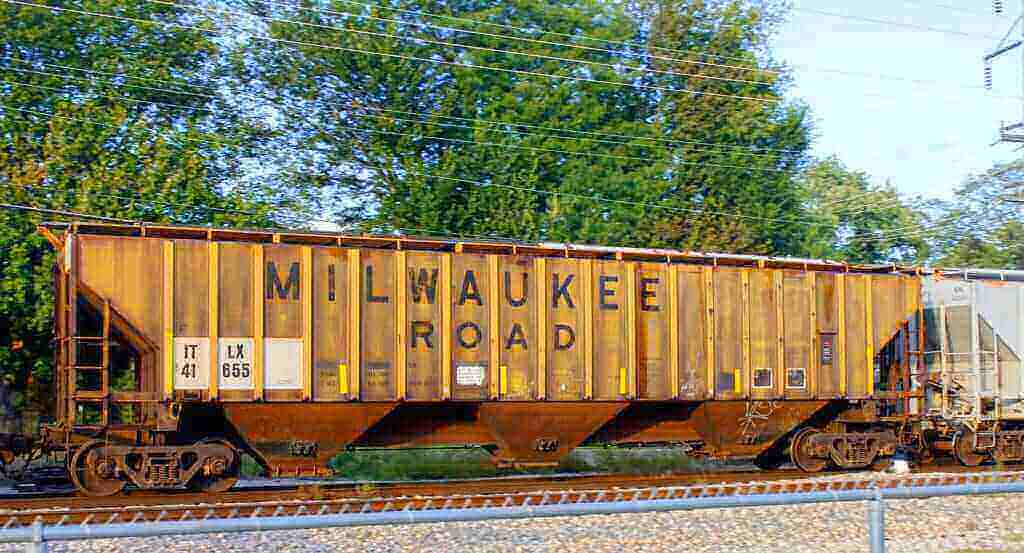
A hopper car (also called as hopper wagon in some regions) is a type of railroad freight car design to carry loose bulk materials. These include:
- Coal
- Grain
- Ore
- Fertilizer
- Track ballast
What makes a hopper unique is how it unloads. Instead of manual unloading, it uses built-in doors on the bottom or sides, allowing materials to be release quickly and efficiently.
Types of Hopper Cars
There are two main types of hopper cars:
1. Covered Hopper
These cars come with a roof, making them ideal for materials that need protection from weather, such as:
- Grain
- Sugar
- Fertilizer
2. Open Hopper
These are open-top cars use for materials that can handle exposure, including:
- Coal
- Ore
- Ballast
Hopper vs. Gondola Car
These are often compared to gondola cars, but there’s a key difference:
- Hopper cars unload through bottom or side doors
- Gondola cars usually require external equipment (like a rotary dumper) to unload
For example, gondola railcars are often used in heavy-duty applications like transporting molten sulfur, where specialized access systems such as gangways are installed for worker safety.
Why Hopper Cars Matter
They became popular with the rise of automated loading and unloading systems. They offer:
- Faster material handling
- Reduced manual labor
- Improved efficiency in bulk transport
These are widely use across global railway systems wherever bulk commodities need to be moved efficiently.

Specialized Uses
- Shorter open hopper, often called “ore jennies,” are used for hauling materials like taconite in mining regions
- In some systems, rotary car dumpers allow gondola cars to replace hoppers for certain operations
- Despite alternatives, covered hoppers remain widely used due to their versatility
Safety and Worker Access
Working on these cars requires proper safety systems, especially during loading and unloading.
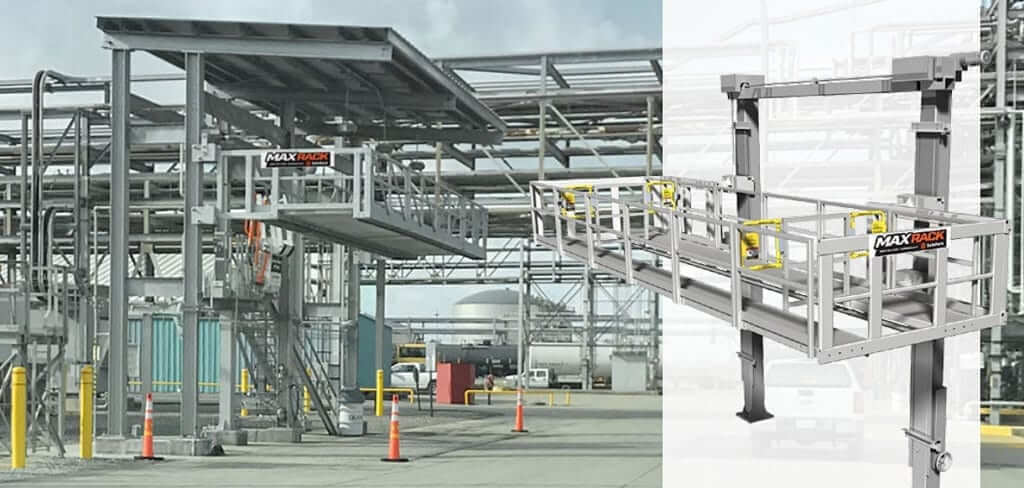
- Handrails and safety cages are commonly installed
- Systems like elevated platforms help workers access multiple hatches safely
- Equipment must meet OSHA safety standards
These safety features help reduce fall risks and improve operational efficiency.
These are use to transport bulk materials like coal, grain, ore, and fertilizer.
Covered hopper protect cargo from weather, while open hopper are use for materials that can be expose.
They use bottom or side discharge doors, allowing fast and automated unloading.
It depends on the use. They are better for automated unloading, while gondolas may be prefer with rotary dumpers.
Workers often access the top of railcars, so handrails, platforms, and safety cages help prevent falls and injuries.