


The 12 Different Types of Railroad Cars
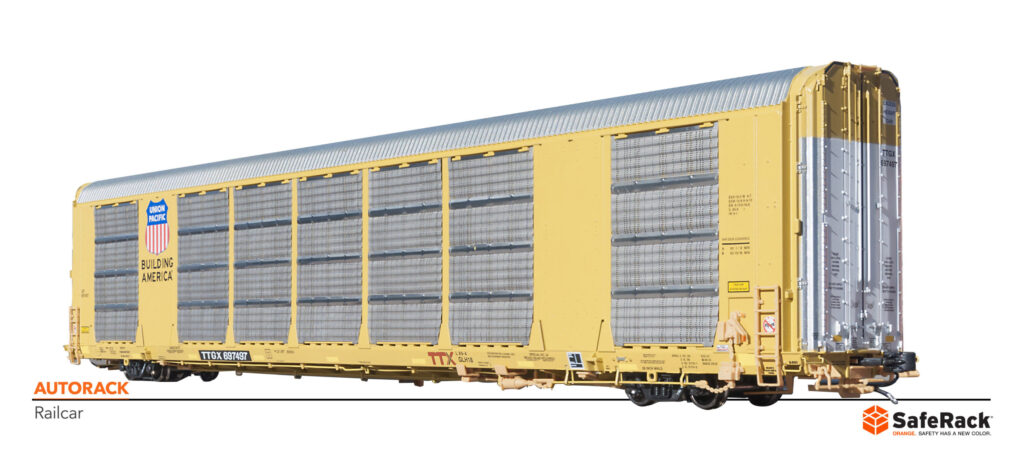
Autorack
Transports:
Finished vehicles such as cars, trucks, and SUVs.
How it is built:
Autoracks made of metal and fully enclose to protect vehicles from the elements. Inside, metal racks create multiple levels (also called “decks”), which allow vehicles to be stacked safely during transport without damage. This multi-level design also maximizes shipping space.
In addition, two main types are commonly use. Bi-level autoracks have two decks and can carry a variety of vehicle types. Meanwhile, tri-level autoracks feature three decks and are typically use for smaller passenger vehicles.
Boxcar
Transports:
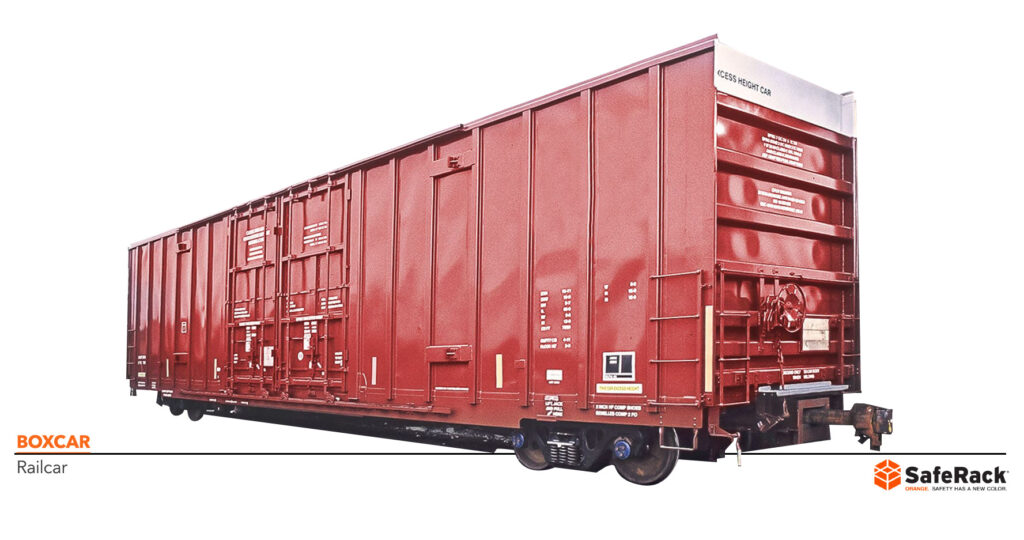
Boxcars carry a wide variety of crated or palletized freight, including paper, lumber, packaged goods, beverages, and boxes.
How it is built:
These railcars are fully enclose and, true to their name, have a box-like shape. Typically, they include side doors, although some designs also feature end doors. Because of this enclosed structure, boxcars protect freight from weather during transport.freight inside is protecte from weather during transport.
Centerbeam
Transports:
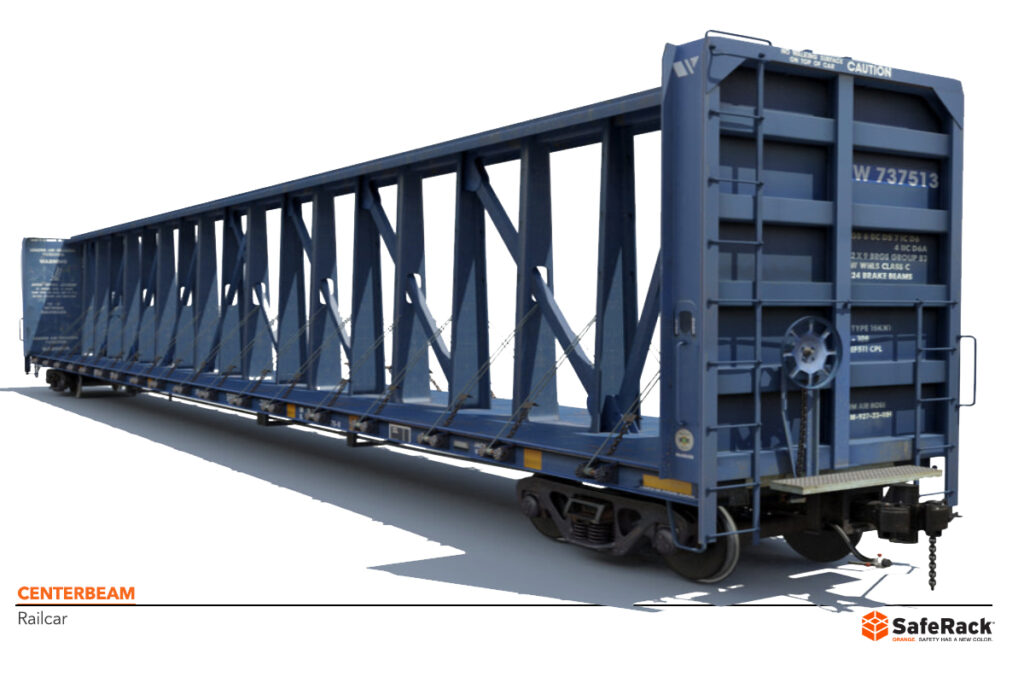
Bundled goods such as lumber, wallboard, fence posts, and other building materials.
How it is built:
As the name suggests, this railcar includes a central beam that runs along its length. This structure stabilizes the load and keeps materials securely in place during transport. As a result, it helps prevent shifting while the train is moving.materials securely in place during transport.
Covered Hopper
Transports:
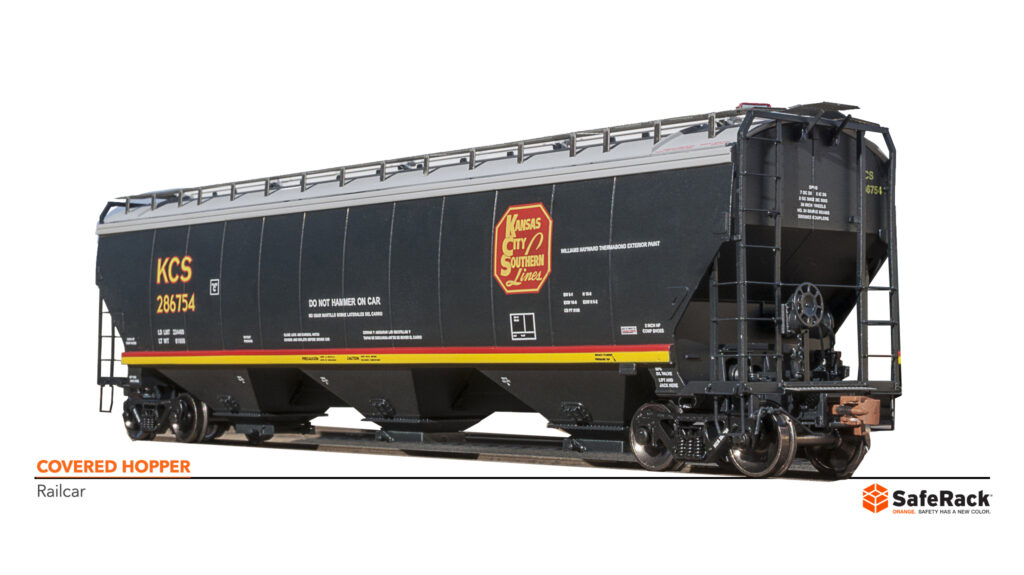
Free-flowing dry bulk commodities such as cement, roofing granules, sand, corn, wheat, barley, fertilizer, soda ash, sugar, and rice.
How it is built:
These railcars load material through an open top. After loading, workers cover the top to protect the cargo during transport. In addition, the floor is slop so gravity can unload the product through bottom discharge gates.
In industrial bulk operations, systems like dry bulk loading solutions improve efficiency and safety.bottom gates using gravity.
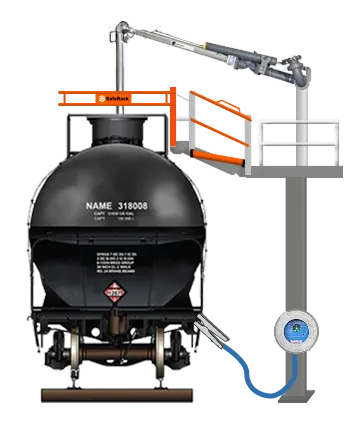
SafeRack Railcar Loading Solutions
Every facility has unique requirements, so we provide tailored solutions to meet your operational needs. Whether you require a single railcar mobile access or a fully integrated loading terminal with all the compliance features, our in-house engineering team ensures a perfect fit for your application.
- Bulk Fluid Loading and Unloading
- Grounding and Earthing
- Hatch Access and Venting Stations
- Railcar Inspections and Cleaning
- Railroad Safety
- Loading Arm and Hoses
Coil Car
Transports:
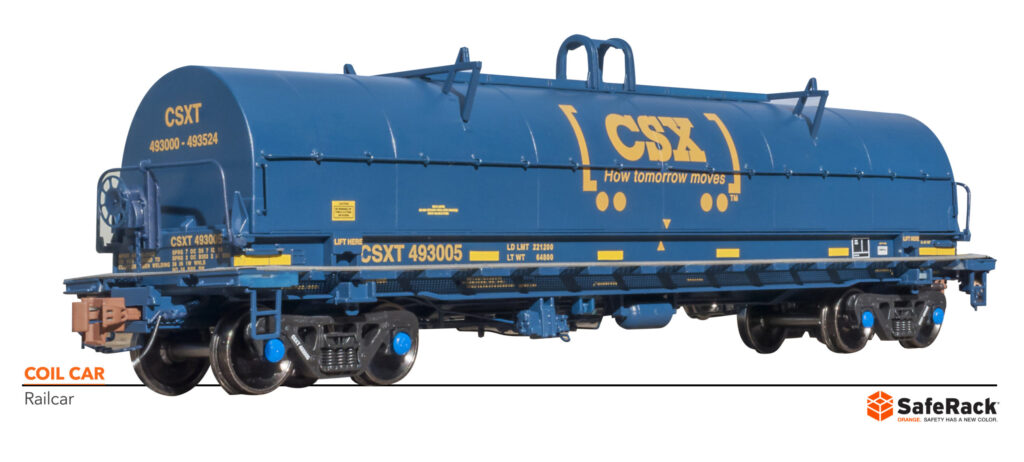
Steel coils.
How it is built:
Coil cars use recessed wells to hold heavy steel coils securely in place. Many designs also include protective hoods that shield the cargo from weather and damage. Furthermore, this structure lowers the center of gravity, which improves stability during transport.improving safety while the train is in motion.
Flatcar
Transports:
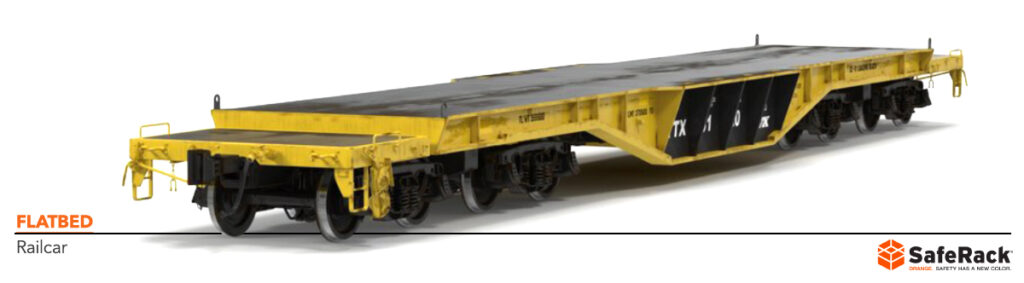
Pipe, rail, steel plate, machinery, steel beams, tractors, military vehicles, lumber, poles, and logs.
How it is built:
Flatcars feature a flat, open platform that supports a wide variety of cargo. Some designs include bulkheads at each end to help prevent loads from shifting. Because of this flexibility, flatcars handle oversized and irregular freight that other railcars cannot easily carry.
For safe access during loading, facilities often use loading platforms and rolling work platforms.
Gondola
Transports:
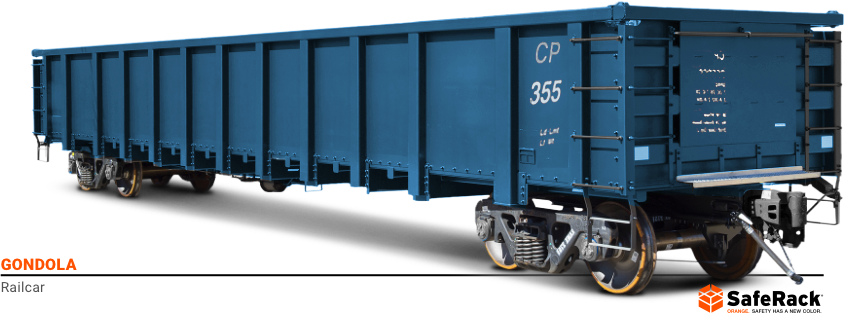
Heavy bulk commodities such as scrap metal, aggregates, logs, lumber, steel, sand, copper, and iron ore.
How it is built:
Gondolas feature low sidewalls and open tops for easy loading and unloading. In fact, they resemble a boxcar with the roof removed. This open design makes them ideal for large or heavy materials that do not require weather protection.
To manage spills during unloading, companies use spill containment systems.
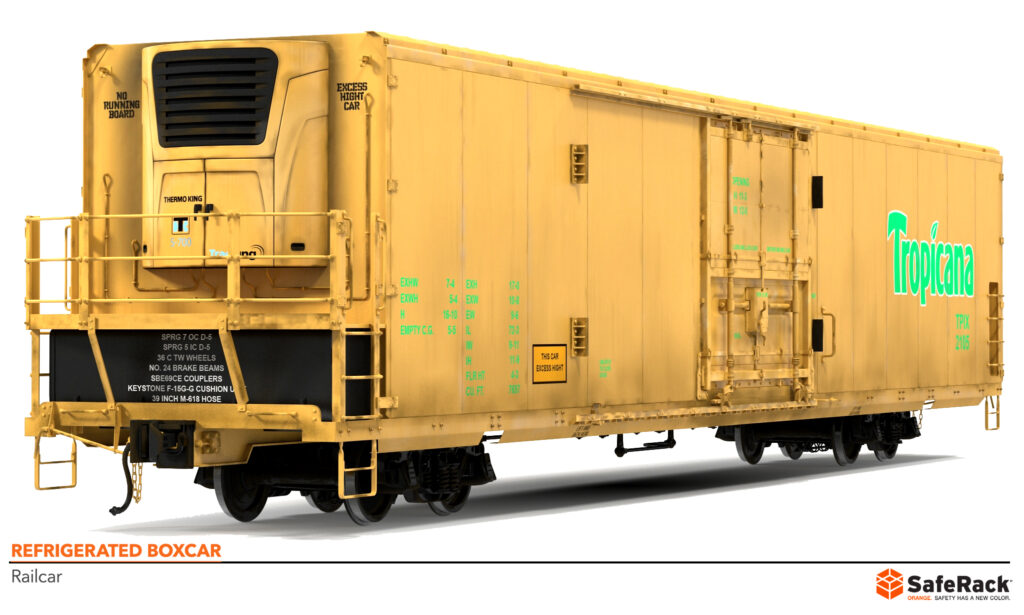
Refrigerated Boxcar
Transports:
Perishable freight such as fresh fruits, vegetables, frozen foods, beverages, meat, poultry, seafood, and cheese.
How it is built:
Refrigerated boxcars, commonly called “reefers,” operate like standard boxcars but include built-in temperature control systems. These systems maintain a stable environment, which helps preserve perishable goods over long distances.during transport over long distances.
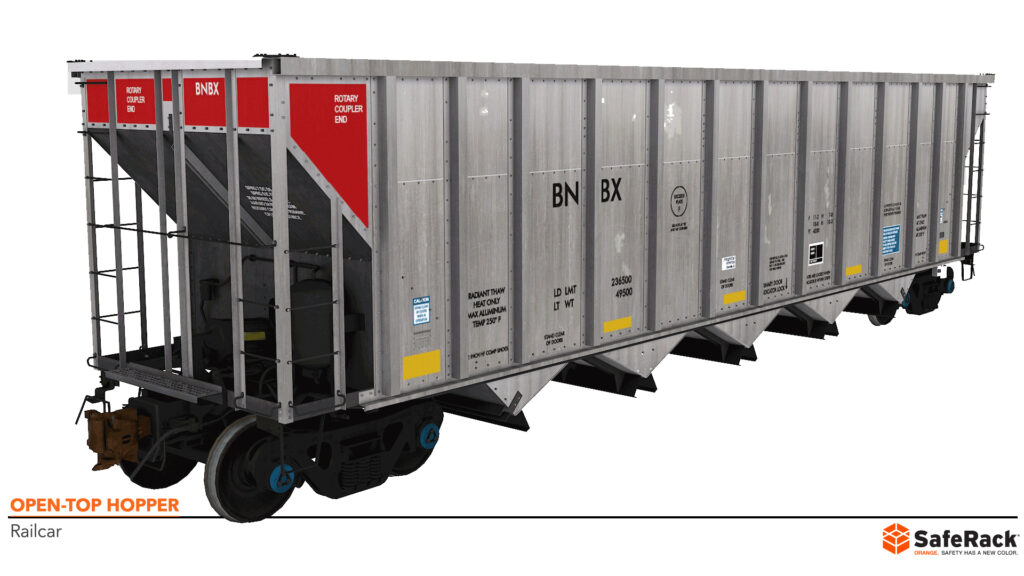
Open-Top Hopper
Transports:
Coal, petroleum coke, sand, rock, copper concentrate, and ballast materials.
How it is built:
Open-top hopper cars do not include covers, which makes them suitable for materials unaffected by weather. They load from the top and unload through bottom discharge gates for efficiency.
For operations involving bulk transfer, railcar loading systems are widely use.
Ballast
Ballast refers to crushed rock placed beneath railroad tracks to provide support, stability, and cushioning.
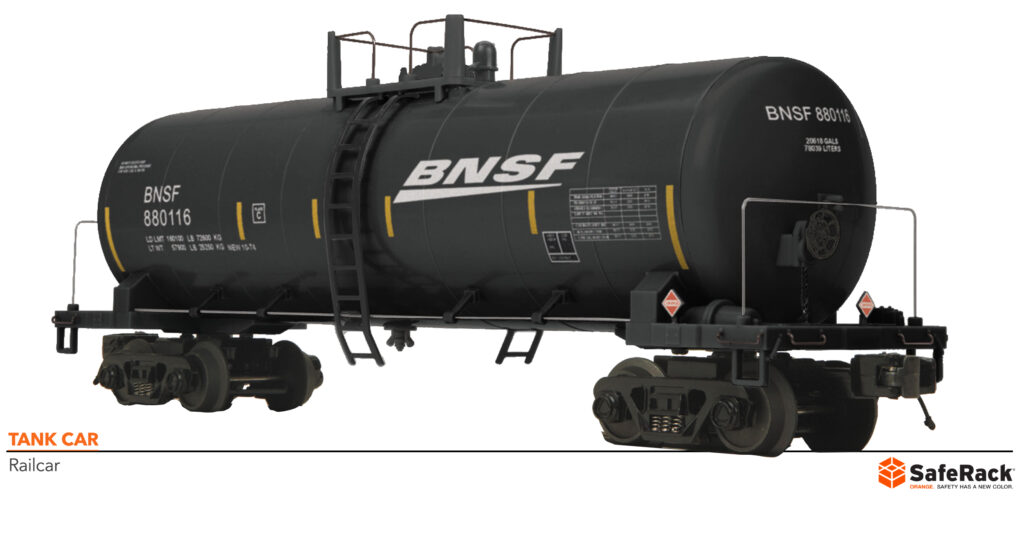
Tank Car
Transports:
Compressed or liquid commodities such as chemicals, molasses, edible tallow, water, and diesel fuel.
How it is built:
Tank cars transport bulk liquids in sealed cylindrical tanks with capacities ranging from 6,500 to over 30,000 gallons. Manufacturers add features such as insulation, steam coils, coatings, valves, and safety fittings to improve performance and safety. In most cases, they design these cars with pressure ratings of around 100 psi to reduce the risk of leaks.
To ensure safe transfer, facilities use loading arms and grounding monitoring systems.
Additionally, safety systems like overfill protection prevent spills and hazards during loading.
Tank cars are also categorize by size and use:
Small tank cars (13,000–19,000 gallons):
Used for materials such as molten sulfur, clay slurry, caustic soda, and corn syrup.
Medium tank cars (20,000–25,000 gallons):
Commonly carry liquid fertilizers, chemicals, fuel oils, asphalt, and food-grade oils.
Large tank cars (over 25,000 gallons):
Designed for food-grade oils, ethanol, petroleum products, and various industrial chemicals.
Well Car
Transports:
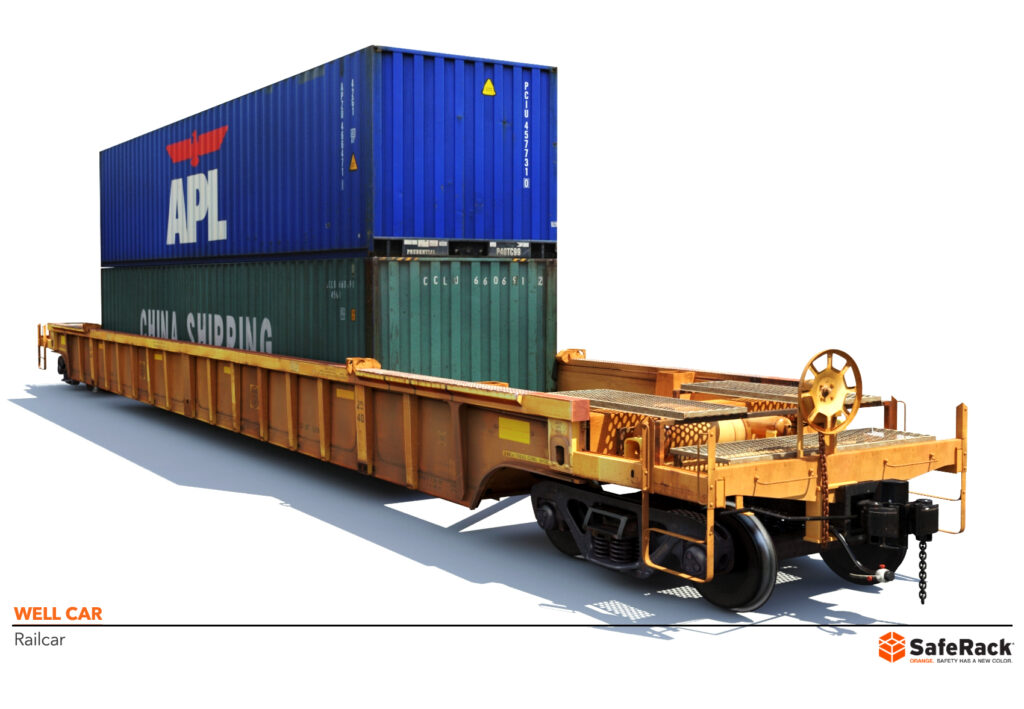
Intermodal containers carrying a wide variety of goods.
How it is built:
Well cars feature a recessed center section called a “well,” which allows containers to sit lower between the wheels. This design increases stability by lowering the center of gravity. As a result, trains can stack containers vertically, a method known as “double stacking.”
For safe access to elevated containers, solutions like gangways and fall protection systems are essential.
The most common include boxcars, tank cars, flatcars, gondolas, hoppers, autoracks, and refrigerated boxcars.
Hoppers unload through bottom gates using gravity, while gondolas are open-top cars unloade by cranes or loaders.
It allow containers to be double-stacke, increasing efficiency and reducing transportation costs.
Safety is maintain using access platforms, grounding systems, spill containment, overfill prevention, and regular inspections.