


Ammonium Sulfate Railcar Loading Facility
Categories: Stairs & Work Platforms Industrial ErectaStep Facility
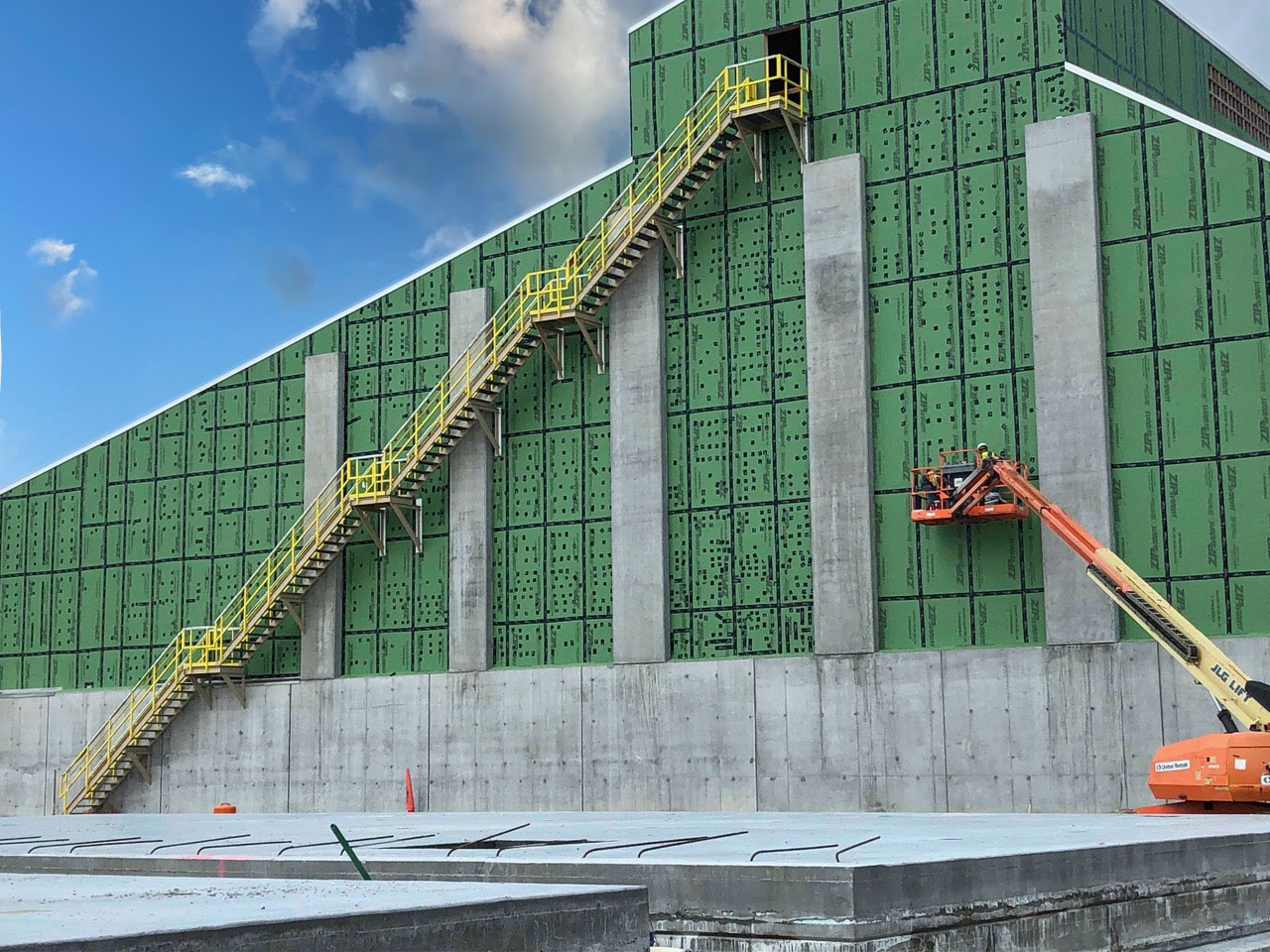
ErectaStep access stair installation at an ammonium sulfate railcar loading facility
The Ammonium Sulfate Railcar Loading project highlights a custom industrial access solution designed to support safe and efficient railcar loading operations in a highly corrosive environment. The facility required durable access systems capable of withstanding constant exposure to harsh materials while providing workers with reliable access to elevated loading and maintenance areas.
To meet these requirements, the project incorporated access stairs, conveyor walkways, FRP grating, railcar access equipment, and fall protection systems. The Ammonium Sulfate Railcar Loading installation improves worker safety, enhances accessibility throughout the facility, and supports efficient product transfer operations.
What is Ammonium Sulfate Railcar Loading?
Ammonium Sulfate Railcar Loading refers to the process of safely transferring ammonium sulfate into railcars for transportation. Because ammonium sulfate facilities often operate in corrosive conditions, specialized loading infrastructure is required to protect workers and ensure safe product handling. These loading operations typically involve railcar access platforms, gangways, stair systems, walkways, loading equipment, and fall protection solutions that allow operators to safely access railcars during loading procedures.
Importance of Ammonium Sulfate Railcar Loading
Safe loading infrastructure plays a critical role in protecting personnel and maintaining operational efficiency in fertilizer and chemical handling facilities.
Ammonium Sulfate Railcar Loading is important because it:
- Improves worker safety during loading operations
- Provides secure access to railcars and equipment
- Supports fall protection requirements
- Helps withstand corrosive operating conditions
- Improves maintenance and inspection accessibility
- Enhances operational efficiency
- Supports long-term facility reliability
Without proper access and loading systems, facilities may face increased safety risks and operational challenges.
How Ammonium Sulfate Railcar Loading Works
An Ammonium Sulfate Railcar Loading system provides operators with safe access to railcars through dedicated stairways, walkways, gangways, and loading platforms. Workers use these structures to perform loading activities, inspections, and operational tasks while maintaining safe access at elevated locations. The system often incorporates corrosion-resistant materials such as FRP grating and specialized access components designed to withstand demanding industrial environments. Fall protection systems further help protect personnel throughout the loading process.
Key Features
- Industrial access stair systems
- Corrosion-resistant FRP grating
- Railcar access equipment
- Fall protection systems
- Elevated conveyor walkways
- Durable industrial construction
- OSHA-compliant access solutions
- Custom facility configurations
Applications
Ammonium Sulfate Railcar Loading systems are commonly used in:
- Fertilizer manufacturing facilities
- Chemical processing plants
- Railcar loading terminals
- Bulk material handling operations
- Industrial storage facilities
- Agricultural product distribution sites
- Corrosive material processing environments
These applications require safe, reliable access and loading infrastructure to support daily operations.
Ammonium Nitrate is typically shipped in 26,000 gallon DOT-105 insulated tank cars with safety valves. The rails cars themselves are ~ 9′ outside diameter with an overall length of ~45’ to 50′, with a 6’ x 6’ center opening or off-set crash box openings.
In the United States, Ammonium is a “tight-fill” (closed-loop) loading operation and is loaded into rail cars via chemical hoses or 3” stainless steel loading arms. Ammonium Nitrate, if not handled properly can cause serious injuries and Personal Protective Equipment (PPE) is required. Additionally, robust, well-designed fall prevention is essential to ensure increased throughput without compromising operator safety because operators are on top of the vehicles during the loading process.
Tank truck (un)loading procedures are similar to railcar applications with the trailers meeting established DOT requirements for transporting Ammonium Nitrate or other commodities. Approved DOT trailers include MC 307or low pressure chemical ISO containers. Trailers are typically bottom unloaded. An extension pipe with two valves is flanged to the top of the trailer.
All trailers must be equipped with pressure relief valves, and trailers with bottom outlets must be equipped with remote-controlled stop valves.
It is the process of transferring ammonium sulfate into railcars for transportation using specialized loading equipment and safe access systems.
Why are access systems important for railcar loading?
Access systems provide safe routes to loading areas, reduce fall hazards, and help operators perform loading activities more efficiently.
What materials are commonly used in corrosive loading environments?
Facilities often use corrosion-resistant materials such as FRP grating and durable industrial components designed for harsh operating conditions.
What safety systems are used during railcar loading?
Common safety features include fall protection systems, access stairs, gangways, handrails, and secure working platforms.
Where is Ammonium Sulfate Railcar Loading commonly performed?
It is commonly performed at fertilizer plants, chemical facilities, rail terminals, and bulk material handling operations where ammonium sulfate is stored and transported.