


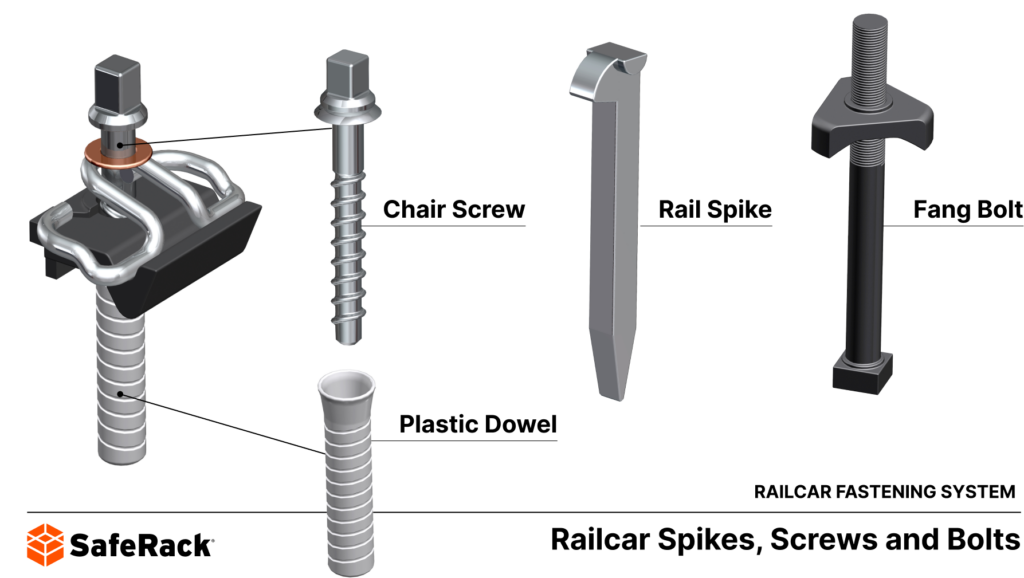
A rail plastic dowel, also referred to as a rail plastic sleeve or concrete insert, serves as the fastening foundation in concrete sleeper systems. These components are pre-inserted into concrete sleepers before assembling rail fastening system parts. The rail plastic dowel ensures reliable connections between fastening systems and concrete sleepers while providing electrical insulation for fastener components.
How a Rail Plastic Dowel Works
It is installed during concrete sleeper manufacturing. Here is how it works:
- The dowel is placed in the concrete mold before pouring
- Concrete fills the mold around the dowel
- The dowel becomes permanently embedded in the sleeper
- Threads inside the dowel accept screws or bolts
- Fastening components mount to the dowel
The provides a strong, corrosion-resistant anchor point. Unlike metal inserts, plastic does not rust. The dowel also protects the concrete from damage during screw installation. For petroleum refineries with rail sidings, properly embedded rail plastic dowels keep tracks secure for heavy tank cars.
Parts of a Rail Plastic Dowel Assembly
A complete system includes several components. Here are the main parts:
- Plastic dowel – The insert embedded in concrete
- Internal threads – Accept fastening screws
- Baseplate – Mounts to the dowel using screws
- Rail clip – Presses down on the rail foot
- Screw or bolt – Threads into the dowel
- Insulating pad – Additional electrical isolation
They ensures reliable connections between fastening systems and concrete sleepers while providing electrical insulation for fastener components. Plastic does not conduct electricity, which is important for signaling systems. Many bulk chemical plants have rail sidings that useing to secure tracks for tank car loading.
Benefits of Rail Plastic Dowels
The offers several important benefits for railway tracks. Here are the key advantages:
- Provides strong anchor points in concrete
- Does not rust or corrode like metal
- Protects concrete from thread damage
- Enables precise fastener positioning
- Provides electrical insulation
- Allows easy replacement of fasteners
- Reduces maintenance costs
They enable precise fastener positioning and protect concrete from damage during installation and service. The insulating properties prevent electrical conductivity between rails and reinforced concrete structures. For chemical processing plants, well-maintained tracks with rail plastic dowels ensure safe railcar movement during loading.
Where Rail Plastic Dowels Are Used
They are found on many types of railway tracks. Here are the most common applications:
- Concrete sleeper tracks
- High-speed rail lines
- Heavy haul routes
- Turnouts and switches
- Bridge and tunnel tracks
- Industrial sidings
- Rail yard switching tracks
- Urban transit systems
Concrete sleepers with rail plastic dowels are especially common on modern high-speed rail lines where precise track geometry is critical. For railcar loading, tracks secured with rail plastic dowels provide the stability needed for safe tank car positioning.
Electrical Insulation Properties
One of the most important features is electrical insulation. Here is why it matters:
- Rails carry signaling current in many systems
- Concrete sleepers are conductive
- Metal fasteners would short the circuit
- Rail plastic dowels block electrical flow
- Signals work properly and safely
The insulating properties prevent electrical conductivity between rails and reinforced concrete structures. Without this insulation, signaling systems would not work correctly. For dry bulk loading, stable tracks with rail plastic dowels keep railcars in position during filling.
Installation and Maintenance
They are installed during sleeper manufacturing. Here is how it works:
- Dowels are placed in concrete molds
- Concrete is poured around them
- Dowels become permanently embedded
- No field installation needed
During maintenance, workers check for:
- Cracked or damaged dowels
- Stripped internal threads
- Loose screws or bolts
- Corrosion around the dowel
Safety and Rail Fastening
Properly installed contribute to rail safety in several ways. Here is why they matter:
- Maintain proper track gauge
- Prevent rail movement under trains
- Reduce derailment risk
- Provide electrical safety for signaling
- Extend sleeper service life
Railroad safety encompasses infrastructure integrity and worker protection. SafeRack provides on-site safety assessments and custom-designed loading platforms for railcar facilities. For worker protection, fall protection systems keep employees safe during track inspection. Safety gates provide secure access to track areas where are used.
It is a plastic insert pre-inserted into concrete sleepers to provide a fastening foundation for rail components.
Plastic dowels do not rust, provide electrical insulation, and protect concrete threads from damage during fastener installation.
They are installed during concrete sleeper manufacturing by placing them in molds before the concrete is poured.
Yes, it prevent electrical conductivity between rails and reinforced concrete structures, which is important for signaling systems.