


Flammable liquids are a national fire coding classification of liquids such as gasoline, heating oil, and diesel fuel. These liquids are classified as either flammable or combustible based on their flashpoint. The National Fire Protection Association (NFPA) sets the standards that determine how The must be stored, handled, and transported. Why does this matter? Because The can ignite and cause fires or explosions if not handled properly. Understanding the classification system helps facilities store these materials safely and comply with regulations. Whether you handle gasoline, naptha, or heating oil, knowing the flashpoint tells you how dangerous the liquid is. If your facility stores or transfers flammable liquids, you need spill containment systems to prevent environmental releases during loading and unloading.
NFPA Classification of Flammable Liquids
The NFPA divides into several classes based on flashpoint. Here is how they break down:
Flammable Liquids – Class I
- Flashpoint below 100°F (37.8°C)
- Most dangerous category
- Ignite easily at normal temperatures
Combustible Liquids – Class II
- Flashpoint at or above 100°F (37.8°C)
- Flashpoint below 140°F (60°C)
- Still hazardous but less volatile
Combustible Liquids – Class III
- Flashpoint at or above 140°F (60°C)
- Divided into IIIA and IIIB
- Least hazardous but still requires care
Class II liquids are combustible liquids that have a flashpoint at or above 100°F (37.8°C) and below 140°F (60°C). Class IIIB liquids are combustible liquids that have a flashpoint at or above 200°F (93°C). For petroleum refineries, understanding flammable liquids classification is essential for safe operations.
Typical Examples of Each Class
Different fall into different classes. Here are typical examples:
Flammable – Class I liquids
- Butyl alcohol
- Diethyl glycol
- Styrene
- Turpentine
- Gasoline
- Naptha
Combustible – Class II liquids
- Camphor oil
- Diesel fuel
- Pine tar
- Methanol
- Other solvents
Combustible – Class IIIB liquids
- Castor oil
- Coconut oil
- Fish oil
- Olive oil
- Cooking oils
Flashpoint Explained
The flashpoint is the key to understanding flammable liquids. Here is what you need to know:
What is flashpoint?
- The lowest temperature a liquid gives off enough vapor to ignite
- Does not mean the liquid will burn continuously
- Just means it can ignite if a spark is present
Why flashpoint matters
- Determines NFPA classification
- Dictates storage requirements
- Affects transportation rules
- Guides fire protection needs
Lower flashpoint = more dangerous
- Gasoline flashpoint: -45°F (very dangerous)
- Diesel flashpoint: 125°F (moderately dangerous)
- Olive oil flashpoint: 437°F (low danger)
They are classified by their flashpoint or combustibility. The lower the flashpoint, the more careful you must be. For oil and gas facilities, knowing the flashpoint of each flammable liquid on site is critical for safety planning.
DOT Transportation Regulations
The transportation of flammable liquids in the United States is governed by the Department of Transportation and the Federal Motor Carrier Safety Administration. Here are the key points:
- They must be shipped in approved containers
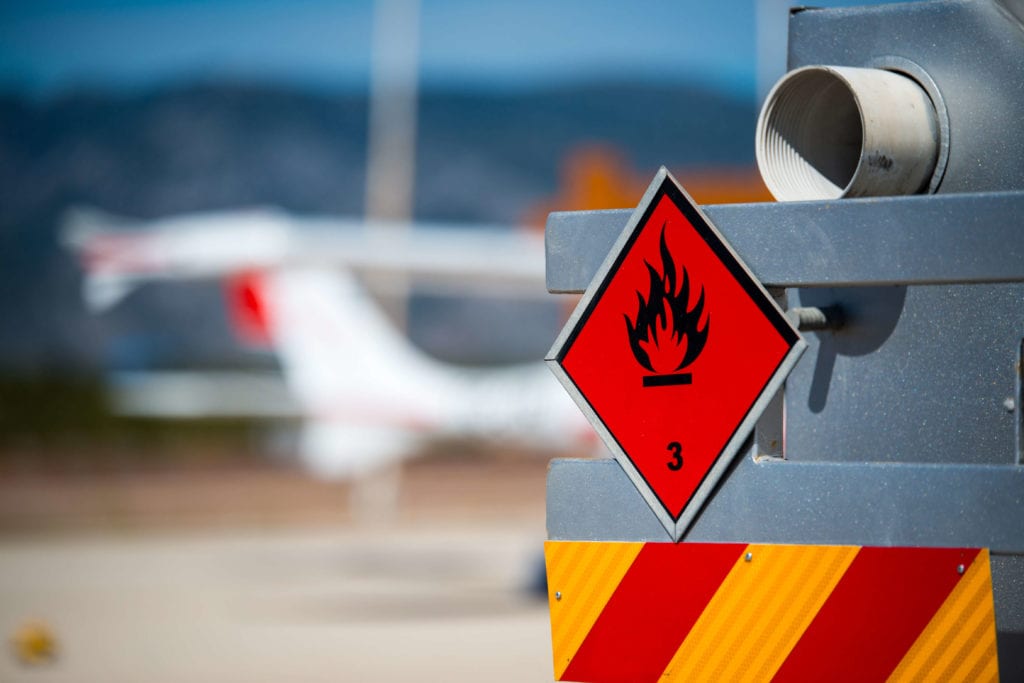
- Trucks must display hazmat placards
- Drivers need special training and certification
- Routes may be restricted in some areas
- Spill response plans are required
There are numerous federal and state regulations regarding the transportation of flammable or hazardous liquids. It is important to note that the regulations for each defined class of liquid may be different. The DOT issues guidelines and updates to existing guidelines. Companies who transport any hazardous materials or flammable liquids must stay current and compliant to keep their fleets rolling. For truck loading of flammable liquids, proper grounding and spill protection are essential for compliance.
Driver Requirements for Hazardous Materials
There are also numerous regulations and guidelines regarding the drivers of vehicles that transport hazardous materials. Here is what drivers need:
- Commercial driver’s license (CDL) with hazmat endorsement
- Background check and security clearance
- Specialized training on flammable liquids
- Knowledge of emergency procedures
- Understanding of placarding requirements
- Familiarity with route restrictions
Title 49 → Subtitle B → Chapter III → Subchapter B → Part 385 is just the start of the guidance that the government offers regarding the transportation of hazardous materials for drivers. It is also very important that the guidelines for drivers and their responsibilities on the road be thoroughly understood. There are numerous training videos and certification specialty levels for hazardous materials drivers. For railcar loading systems, similar rules apply to rail transport of flammable liquids.
Storage Requirements for Flammable Liquids
Proper storage of prevents fires and protects workers. Here are the key requirements:
- Store in approved containers and tanks
- Keep away from ignition sources
- Use proper ventilation
- Ground and bond containers
- Limit quantities in work areas
- Post warning signs
- Have fire suppression equipment nearby
For loading arms used with proper grounding prevents static discharge that could ignite vapors. Grounding and monitoring systems are essential when transferring between containers.
Handling Flammable Liquids Safely
Safe handling requires attention to detail. Here are best practices:
- Use only approved containers
- Keep containers closed when not in use
- Dispense in well-ventilated areas
- Use bonding wires between containers
- Wear appropriate personal protective equipment
- Have spill cleanup materials ready
- Train all employees on hazards
For chemical processing plants, workers need proper training and equipment. Overfill protection prevents spills when transferring flammable liquids into tanks.
Spill Response for Flammable Liquids
Even with precautions, spills can happen. Here is what to do:
- Evacuate the area immediately
- Eliminate all ignition sources
- Use non-sparking tools for cleanup
- Contain the spill with absorbents
- Report the spill to authorities
- Clean up properly trained personnel only
For emergency response, drench showers and portable eyewash stations should be accessible where flammable liquids are handled. Safety gates and fall protection systems keep workers safe during spill response activities.
Static Electricity and Flammable Liquids
Static electricity is a major ignition source for flammable liquids. Here is why:
- Moving liquid creates static charge
- Charge builds up on containers and equipment
- A spark can ignite vapors
- Even small sparks can cause fires
Proper grounding prevents this hazard. Static grounding systems bleed off static charge before it can create a spark. For truck loading of flammable liquids, grounding cables must be attached before any flow begins. Railcar track pans capture spills while loading platforms provide safe access for workers.
The have flashpoints below 100°F, while combustible liquids have flashpoints at or above 100°F.
Class I include butyl alcohol, diethyl glycol, styrene, turpentine, gasoline, and naptha.
The Department of Transportation (DOT) and Federal Motor Carrier Safety Administration regulate transportation of flammable liquids.
Grounding systems, spill containment, fire suppression, and personal protective equipment are all required.