


Introduction
A Spill Berm is an edge barrier or low containment wall installed around storage tanks and fuel handling areas to prevent leaked liquids from spreading. It plays a critical role in industrial spill control systems.
In addition, a Spill Berm is widely used in fuel depots, loading stations, and chemical storage facilities. Therefore, it helps organizations stay compliant with EPA and OSHA safety regulations.
Types of Spill Berms
There are two main types of Spill Berm systems used in industrial environments:
- Permanent Spill Berms
- Portable Spill Berms
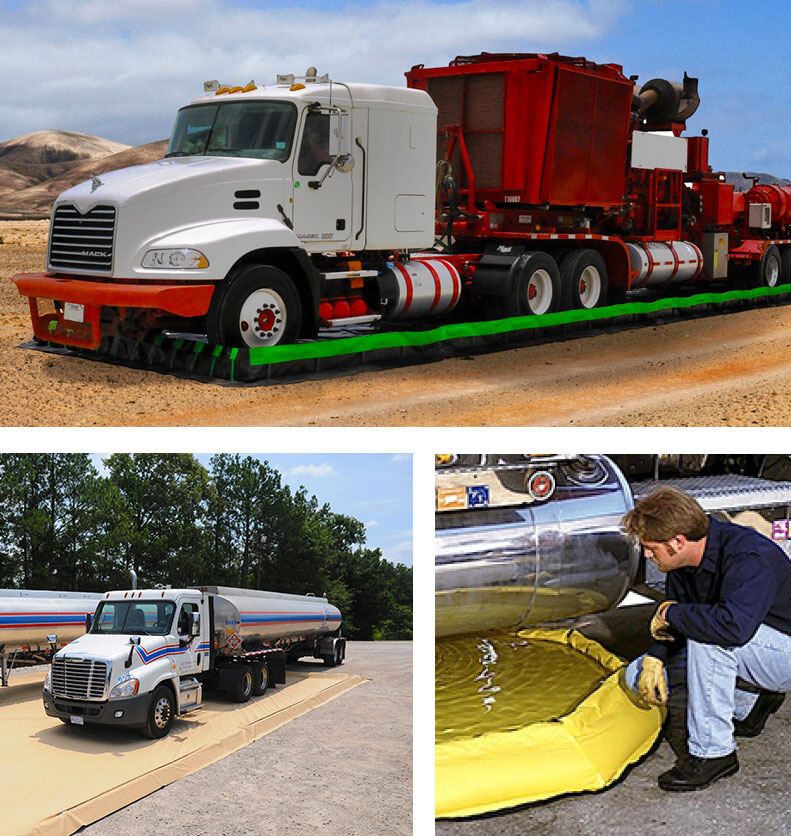
Permanent berms typically built using concrete or fixed barriers around tanks and loading areas. On the other hand, portable spill berms are flexible containment solutions that can be deployed quickly where spill risks are higher.
For example, facilities often combine spill containment systems with berm setups for complete protection.
How Spill Berms Work
A Spill Berm works by creating a physical boundary that contains liquids within a controlled area.
- Prevents spilled fuel or chemicals from spreading
- Directs liquids into a safe containment zone
- Reduces contamination risk to soil and water
- Helps maintain safe walking and working areas
Additionally, facilities may use truck loading systems to reduce spill risks during transfer operations.
Furthermore, loading platforms help maintain controlled access during material handling.
Benefits of Spill Berms
Using a Spill Berm provides several important safety and environmental benefits:
- Leak containment at the source
- Improved workplace safety by reducing slip hazards
- Environmental protection from contamination
- Regulatory compliance with EPA SPCC rules
- Cost savings by reducing cleanup expenses
In addition, grounding systems help prevent static-related ignition during fuel transfer.
Also, overfill protection systems reduce the chance of accidental spills.
Applications of Spill Berms
A Spill Berm is commonly use in:
- Fuel storage terminals
- Chemical processing plants
- Truck and railcar loading areas
- Industrial manufacturing sites
- Gas stations and fueling stations
Moreover, terminal safety solutions support safe bulk handling operations.
Similarly, gangway systems improve safe access in elevated or restricted areas.
Importance of Spill Berms in Compliance
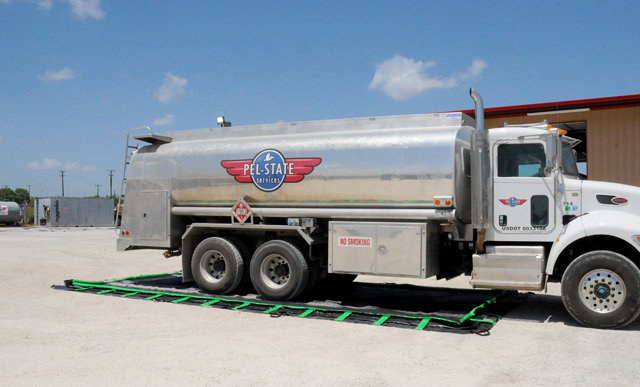
A properly installed Spill Berm helps facilities comply with SPCC (Spill Prevention, Control, and Countermeasure) regulations under EPA guidelines.
As a result, companies can reduce environmental risks and avoid heavy penalties. In fact, spill berms are often a required part of industrial safety planning.
It is use to contain leake liquids and prevent them from spreading in industrial areas.
Portable berms are temporary and flexible, while permanent berms are fixed structures like concrete walls.
Yes, many facilities must follow EPA SPCC guidelines that require spill containment systems.
They are use in fuel depots, chemical plants, loading stations, and industrial sites.