


A Bell and Spigot joint is a reliable and widely used method for connecting reinforced plastic pipes in industrial and fluid handling systems. Designed for strength and leak resistance, the joint allows one pipe’s tapered spigot end to fit securely into another pipe’s flared bell end. This design ensures a tight seal, smooth fluid flow, and seamless integration with couplers, adapters, and other fittings, making it ideal for pipelines, loading systems, and industrial applications.
How Bell and Spigot Works
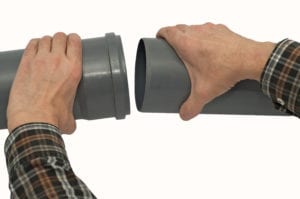
The joint works by connecting a tapered end (spigot) of one pipe into a flared end (bell) of another. Once the spigot is inserted into the bell, the joint is sealed with gaskets or other sealing materials to prevent leakage.
Key aspects:
- Secure Fit: The tapered, flared design creates a snug mechanical connection.
- Leak Prevention: Seals ensure fluid cannot escape at the joint.
- Compatibility: Works with couplers adapters, and fittings for complex piping systems.
This system ensures smooth integration of multiple piping sections, allowing industrial pipelines and loading systems to function efficiently.
Applications
They are used in a variety of applications, including:
- Industrial Piping Systems: For transporting liquids safely and efficiently.
- Fluid Loading Systems: Ensuring seamless operation with couplers and adapters.
- Water and Waste Systems: Providing secure and leak-resistant connections.
- Chemical and Process Industries: Safe and efficient transfer of liquids.
Benefits
- Leak-Proof Connections: Reduces risk of fluid loss or contamination.
- Durable and Reliable: Maintains integrity under industrial conditions.
- Easy Assembly: Quick to install, saving time and labor costs.
- System Compatibility: Works with various pipe accessories and fittings.
By using bell and spigot joints, industries ensure efficient, safe, and long-lasting piping systems that minimize downtime and maintenance costs.
It is a type of pipe connection in which a tapered spigot end fits into a flared bell end and is sealed to prevent leaks.
The joint uses a snug fit along with gaskets or sealing material to ensure no fluid escapes.
They are commonly use in industrial piping, fluid loading systems, water and waste systems, and chemical pipelines.
It provides a strong, reliable, and easy-to-assemble joint that ensures system efficiency and safety.