


Work Platform Access
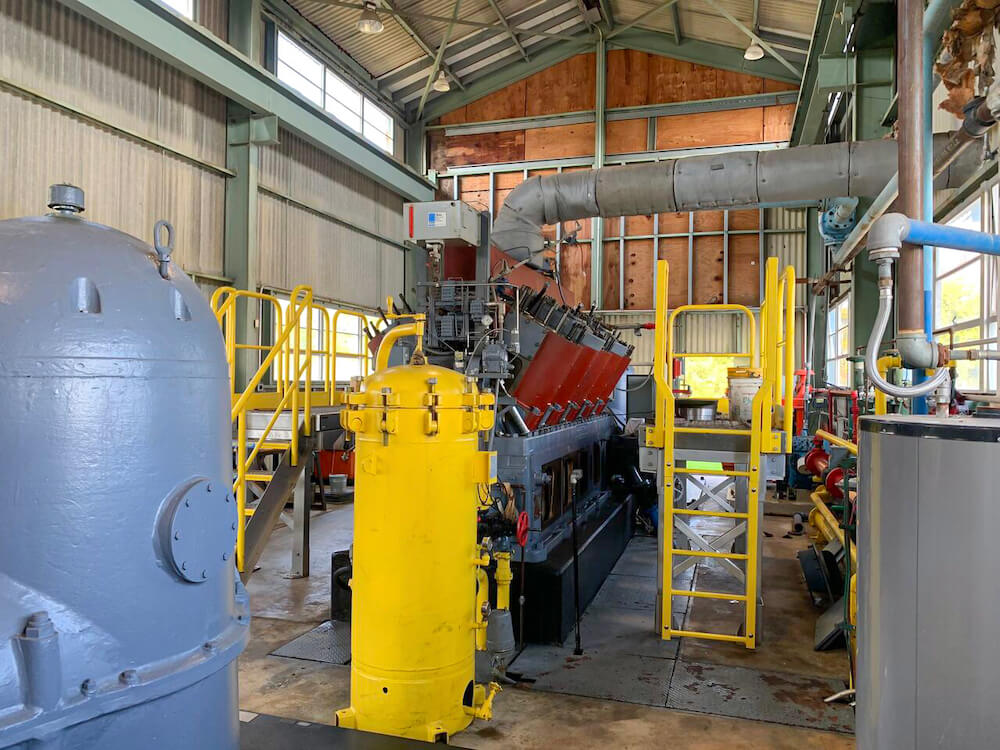
Work Platform Access for Safe Diesel Engine Maintenance
The Work Platform Access system is designed to provide safe, stable, and reliable elevated access for industrial maintenance tasks. This installation supports diesel engine maintenance operations by allowing workers to reach critical components safely while maintaining OSHA-compliant working conditions. Built for demanding environments, it enhances both safety and operational efficiency. The Work Platform Access solution is engineered using durable materials that ensure long-term performance in heavy-duty industrial settings. Reducing the risks associated with working at height, it helps improve productivity and creates a controlled access environment for maintenance teams.
What is Work Platform Access?
Work Platform Access refers to a specially designed elevated structure that provides secure access to machinery, equipment, and industrial systems during maintenance and inspection activities. These platforms are commonly used in facilities where safe elevation is required for operational tasks. The Work Platform Access system ensures workers can perform maintenance tasks at height with stability, safety railings, and proper structural support, reducing reliance on unsafe improvisation or temporary solutions.
Importance of Work Platform Access
Safe access to elevated equipment is essential in industrial environments, especially during maintenance operations where diesel engines and heavy machinery are involved.
The Work Platform Access system is important because it:
- Improves worker safety during maintenance tasks
- Reduces fall and injury risks
- Supports OSHA-compliant working conditions
- Provides stable and controlled access to equipment
- Enhances maintenance efficiency
- Improves operational productivity
- Ensures long-term durability in industrial environments
Without proper Work Platform Access, maintenance tasks become more hazardous and time-consuming.
How Work Platform Access Works
A Work Platform Access system provides a structured elevated surface that allows workers to safely reach engine components and industrial equipment. It is designed with stable flooring, guardrails, and secure entry points to ensure controlled movement during maintenance activities. The system integrates directly into industrial layouts, giving technicians safe positioning while performing inspection, repair, or servicing tasks on diesel engines and related equipment.
Key Features
- Heavy-duty industrial construction
- OSHA-compliant safety design
- Slip-resistant platform surfaces
- Stable elevated working structure
- Integrated guardrail systems
- Corrosion-resistant materials
- Modular installation design
- Low-maintenance operation
Applications
The Work Platform Access system is commonly used in:
- Diesel engine maintenance facilities
- Industrial equipment service areas
- Manufacturing plants
- Power generation facilities
- Heavy machinery workshops
- Maintenance and repair stations
- Industrial processing units
These environments require safe and reliable elevated access for routine and critical maintenance operations.
It is used to provide safe elevated access for maintenance and inspection of industrial equipment, especially diesel engines and heavy machinery.
Why is Work Platform Access important?
It improves safety, reduces fall risks, and allows technicians to perform maintenance tasks efficiently in elevated areas.
What industries use Work Platform Access systems?
It is commonly used in manufacturing, power plants, industrial workshops, and heavy equipment maintenance facilities.
How does Work Platform Access improve safety?
It provides stable platforms, guardrails, and controlled access points that reduce the risk of falls and accidents.
Can Work Platform Access be customized?
Yes, it can be designed to match specific equipment layouts, height requirements, and facility needs.