


Safety Barrier Protecting Electrical Panel
Categories: Terminal & Speciality Industrial Power Plants WireCrafters Facility
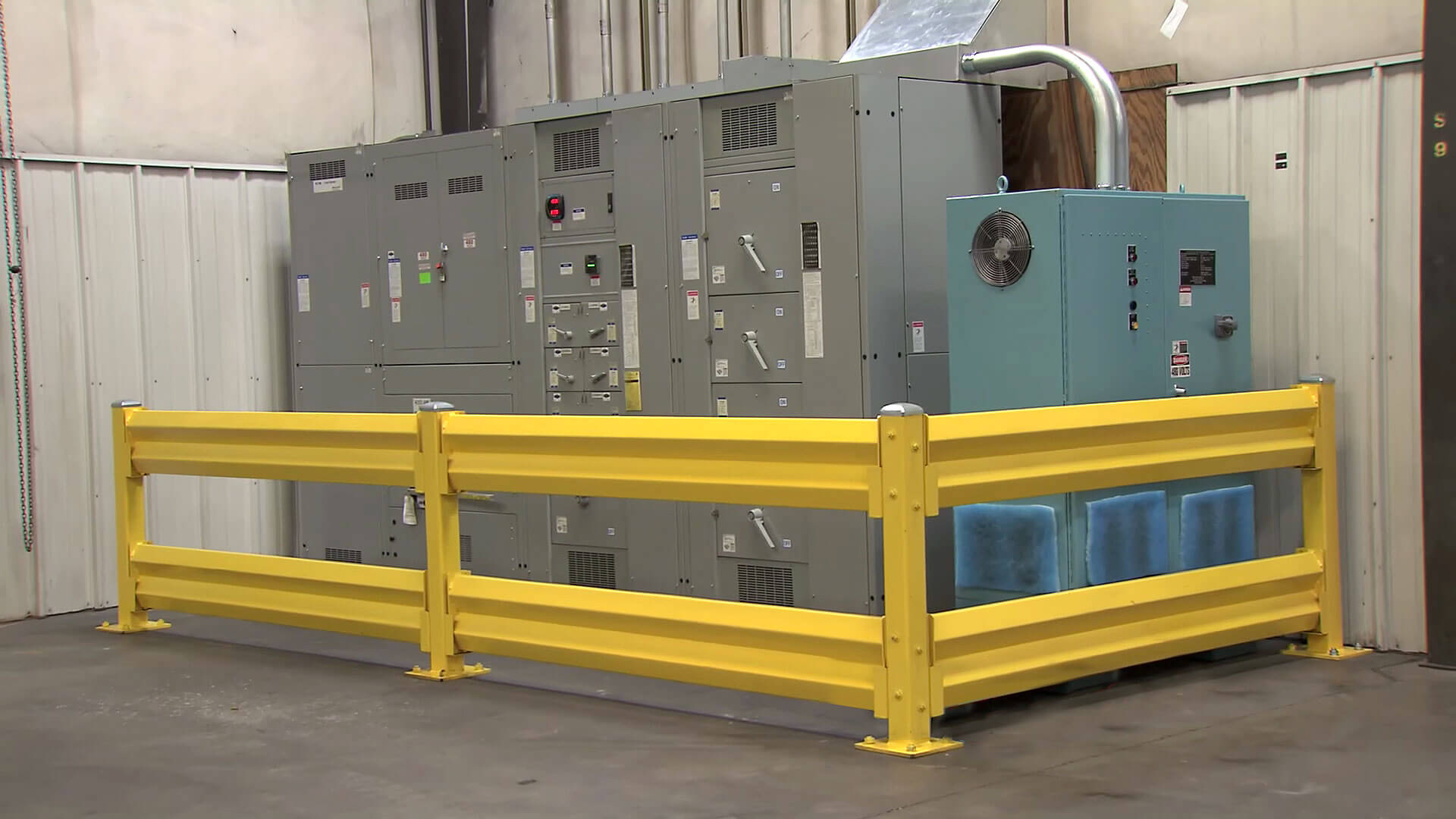
Safety Barrier Protecting Equipment Electrical Panel
An electrical panel safety barrier is a protective industrial solution designed to safeguard electrical panels and critical equipment from accidental impact, collision, and operational damage. In busy industrial environments where forklifts, vehicles, and personnel move frequently, these barriers create a clear protective zone that helps prevent costly accidents and downtime. By installing an electrical panel safety barrier, facilities improve workplace safety, protect sensitive electrical infrastructure, and maintain compliance with industrial safety standards.
What is an Electrical Panel Safety Barrier?
An electrical panel safety barrier is a physical protective structure installed around electrical panels or control equipment. Its main purpose is to prevent accidental contact or impact that could damage equipment or endanger workers.The electrical panel safety barrier acts as a safety buffer, ensuring that restricted equipment areas remain protected in high-traffic industrial zones.
Importance of Electrical Panel Safety Barrier
Electrical panels are critical to industrial operations, and even minor damage can lead to system failures, downtime, or a href= “https://saferack.com/installations/misc-hazardous-waste-liquid-un3082-placard-2/”target=”_blank” rel=”noopener”>safety hazards. In environments with moving machinery and equipment, the risk of accidental impact is high. An electrical panel safety barrier reduces these risks by creating a visible and physical boundary that separates equipment from operational traffic, improving both safety and reliability.
How Electrical Panel Safety Barrier Works
An electrical panel safety barrier is installed around sensitive equipment to form a protective enclosure. It is strategically placed to absorb or block accidental collisions from forklifts, carts, or personnel movement. The electrical panel safety barrier maintains a safe distance between workers and electrical systems while allowing easy access for authorized maintenance and inspection when needed.
Key Features
- Heavy-duty industrial construction
- Impact-resistant protective design
- Surrounds and protects electrical panels
- High visibility for hazard awareness
- Suitable for industrial traffic areas
- Supports workplace safety compliance
These features make the electrical panel safety barrier a reliable solution for protecting critical electrical infrastructure.
Applications
The electrical panel safety barrier is commonly used in:
- Manufacturing plants
- Industrial processing facilities
- Warehouses and logistics centers
- Electrical control rooms
- Equipment maintenance zones
In these environments, an electrical panel safety barrier helps prevent accidental damage and improves operational safety.
Safety and Compliance
An electrical panel safety barrier supports workplace safety regulations by reducing the risk of accidental contact with electrical systems. It helps facilities meet internal safety standards and industrial compliance requirements. Proper installation ensures that the electrical panel safety barrier remains effective in protecting both personnel and equipment in high-risk environments.
Operational Benefits
Using an electrical panel safety barrier reduces equipment damage, minimizes downtime, and improves workplace organization. It creates safer traffic flow in industrial areas while protecting critical systems. The electrical panel safety barrier also reduces maintenance costs by preventing accidental impacts that could lead to expensive repairs or shutdowns.
Role in Industrial Safety Systems
In modern industrial environments, the electrical panel safety barrier plays a key role in protecting electrical infrastructure. It ensures that sensitive systems remain isolated from high-traffic operational zones. By integrating an electrical panel safety barrier into facility layouts, organizations can improve safety, protect equipment, and maintain smooth operational performance.