


Railcar Transfer Grounding System
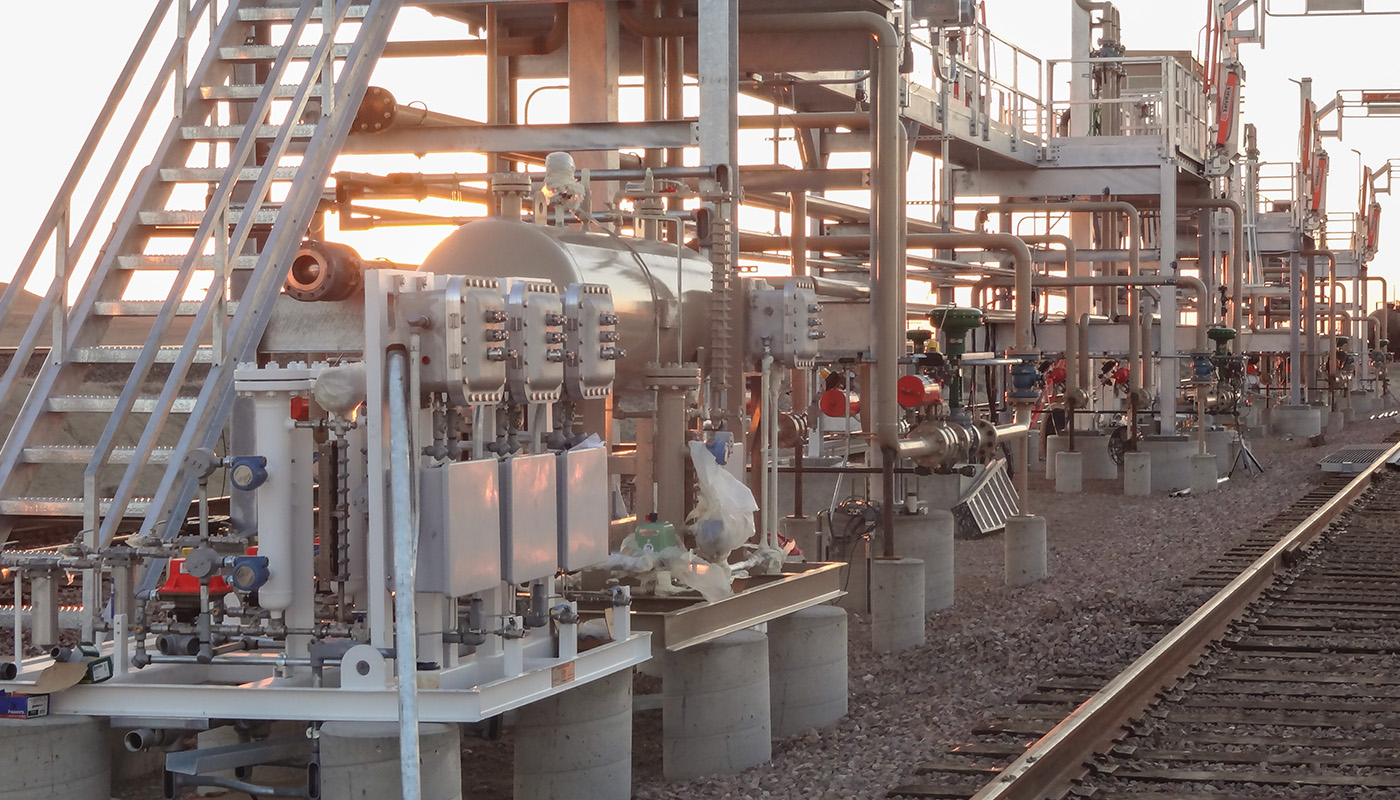
SafeRack railcar metering grounding system
Railcar Transfer grounding is a critical safety process used during custody transfer operations of petrochemical and other hazardous liquids in railcar loading and unloading systems. It ensures that railcars are properly grounded before and during product transfer to prevent static electricity buildup, which can lead to sparks, fires, or explosions.
The Railcar Transfer grounding system from SafeRack is a custom-built solution designed to combine grounding verification with overfill prevention and monitoring technology. This integrated approach helps facilities improve operational safety, reduce risks, and maintain compliance during railcar transfer operations.
What is Railcar Transfer grounding?
Railcar Transfer grounding refers to the process of electrically grounding railcars during the loading and unloading of liquids to ensure safe dissipation of static electricity. The Railcar Transfer grounding system continuously verifies that a proper ground connection is maintained throughout the transfer process, especially in petrochemical and hazardous material handling environments.
Importance of Railcar Transfer grounding
Railcar loading operations involve flammable and volatile liquids that can generate static electricity.
Railcar Transfer grounding is important because it:
- Prevents static discharge hazards
- Reduces the risk of fire and explosion
- Ensures safe custody transfer operations
- Improves operational safety in loading terminals
- Supports regulatory compliance requirements
Without proper Railcar Transfer grounding, the risk of accidents during liquid transfer increases significantly.
How Railcar Transfer grounding works
The Railcar Transfer grounding system uses electronic monitoring equipment to verify a secure ground connection between the railcar and the facility. If grounding is not detected or is interrupted, the system provides alerts or prevents transfer operations from continuing. It works alongside overfill prevention systems to ensure safe and controlled loading conditions. This continuous monitoring ensures that Railcar Transfer grounding is maintained throughout the entire operation.
Key features
- Electronic grounding monitor verification
- Integrated overfill prevention system
- Real-time safety alerts and monitoring
- Custom-built for railcar and tank-car systems
- Suitable for petrochemical and hazardous liquids
- High-accuracy detection system
- Designed for industrial custody transfer operations
These features make Railcar Transfer grounding systems reliable for high-risk loading environments.
Safety and compliance
Railcar Transfer grounding systems help facilities meet industry safety standards for handling flammable and hazardous materials. They reduce the risk of static-related incidents and support safer operational procedures during railcar loading and unloading activities.
Benefits
Using Railcar Transfer grounding improves overall terminal performance by:
- Reducing accident risk and downtime
- Enhancing loading accuracy and control
- Improving safety compliance
- Supporting continuous monitoring operations
- Increasing productivity in transfer operations
Applications
Railcar Transfer grounding systems are commonly used in:
- Railcar loading terminals
- Petrochemical transfer facilities
- Tank-car loading and unloading sites
- Industrial chemical handling plants
- Bulk liquid storage and transfer operations
In these environments, Railcar Transfer grounding ensures safe and controlled operations.
What is Railcar Transfer grounding used for?
Railcar Transfer grounding is used to safely ground railcars during the loading and unloading of hazardous liquids to prevent static discharge.
How does Railcar Transfer grounding improve safety?
It improves safety by ensuring continuous grounding and preventing static electricity buildup during transfer operations.
Where is Railcar Transfer grounding commonly used?
It is commonly used in rail terminals, petrochemical facilities, and industrial liquid transfer sites.
What happens if grounding is not detected?
If grounding is not detected, the system alerts operators or prevents loading to avoid unsafe conditions.
Is Railcar Transfer grounding required for hazardous materials?
Yes, it is essential for the safe handling of flammable and volatile liquids in custody transfer operations.