


Operator Work Shelter
Categories: Shelters & Canopies Industrial SafeRack
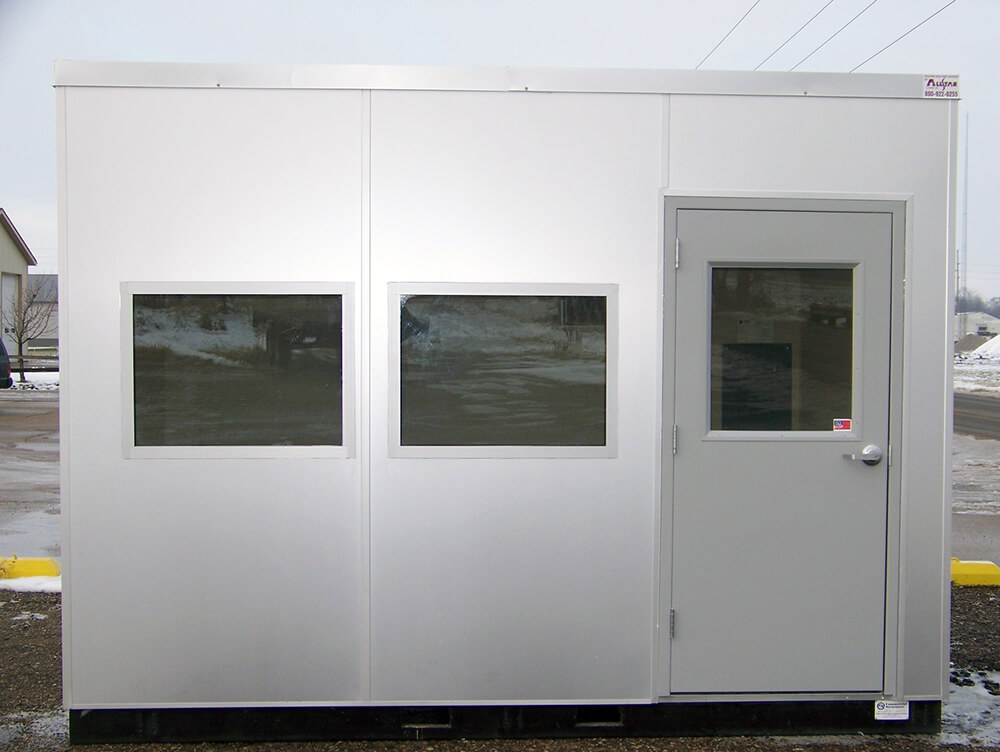
SafeRack operator shelter in action protecting workers from cold and wet conditions
Operator Work Shelter systems are designed to protect workers from harsh environmental conditions such as rain, heat, wind, snow, and extreme temperatures in outdoor industrial settings. They are commonly installed at loading racks, processing areas, and control stations where operators need a safe, controlled workspace close to active equipment.
By providing a protected environment, these shelters help reduce weather-related downtime, maintain operational continuity, and improve overall productivity while ensuring workers can perform their duties safely and efficiently.
What Is an Operator Work Shelter?
An Operator Work Shelter is a permanent or semi-permanent structure designed to protect industrial operators from environmental exposure such as rain, sun, wind, and extreme temperatures. These shelters are commonly installed around loading racks, control panels, piping systems, and process areas where workers need to remain close to active operations.
By integrating with existing infrastructure, operator work shelters allow teams to continue working safely without being fully exposed to harsh weather conditions. This improves visibility, supports faster response times, and helps maintain safe and efficient operations in industrial environments while contributing to overall safety and compliance goals.
Where Operator Work Shelters Are Used
Operator Work Shelter systems are used across a wide range of industrial environments where workers are exposed to outdoor weather conditions such as heat, wind, rain, and cold. These shelters help maintain safe, controlled working conditions while allowing operators to stay close to active operations and equipment.
Common Applications
- Truck loading and rail loading areas
- Bulk material handling systems and loading racks
- ISO container loading, unloading, and inspection zones
- Warehouse dock control areas and offices
- Barge and marine control stations
- Remote MCC and PLC control units
- Security and gate control offices and guard houses
In all these applications, operator work shelters help reduce environmental exposure, improve worker comfort, and support safer and more efficient industrial operations.
Weather and Environmental Risks in Operator Work Areas
Operators working in outdoor industrial environments face significant exposure to weather-related hazards such as rain, snow, ice, heat, and extreme cold. These conditions can slow operations, reduce visibility, and increase the likelihood of workplace accidents and injuries. Operator Work Shelter systems are designed to reduce these risks by providing controlled, protected working areas that help maintain safety and productivity in harsh environments.
Key Risks Reduced by Operator Work Shelters
- Heat exhaustion and heat stroke
- Cold stress and frostbite
- Slips and falls on wet or icy surfaces
- Reduced visibility during rain, snow, or fog
- Fatigue caused by extreme temperatures
- Respiratory issues from harsh environmental exposure
- Electrical hazards in unsafe weather conditions
By minimizing exposure to these conditions, operator work shelters help improve worker safety, reduce downtime, and support more reliable industrial operations in all weather conditions.
Applications
Operator Work Shelter systems are commonly used in:
In these environments, Operator Work Shelter systems improve safety and productivity.
Benefits of SafeRack Operator Work Shelters
SafeRack operator work shelters are engineered to match different industrial layouts and environmental conditions. Their prefabricated design allows faster installation with minimal disruption to existing operations, helping facilities improve worker protection quickly and efficiently. Built with durable steel construction, these shelters are designed to withstand demanding industrial environments while supporting safer and more controlled outdoor operations. They can be configured for individual operators or larger teams working around loading racks, process areas, and industrial equipment.
Professional Installation and Support
Operators working directly in harsh weather conditions face increased safety risks, reduced productivity, and operational delays. A properly designed operator work shelter helps create a protected working environment while supporting smoother day-to-day operations. SafeRack provides support throughout assessment, design, installation, training, and ongoing maintenance to help facilities improve safety, reduce downtime, and maintain reliable industrial performance.
What is Operator Work Shelter used for?
Operator Work Shelter is used to protect industrial operators from weather conditions while working in loading and processing areas.
How does Operator Work Shelter improve safety?
It improves safety by shielding workers from rain, heat, wind, and cold, reducing exposure-related accidents and fatigue.
Where is the Operator Work Shelter commonly used?
It is commonly used in loading racks, industrial plants, marine terminals, and control stations.
Why is Operator Work Shelter important?
It is important because it allows workers to operate safely in outdoor environments without direct exposure to harsh weather.
What materials are used in Operator Work Shelter systems?
They are typically made from industrial-grade steel and weather-resistant materials for durability and long-term protection.