


Lifeline Fall Protection Barge Bulk Loading
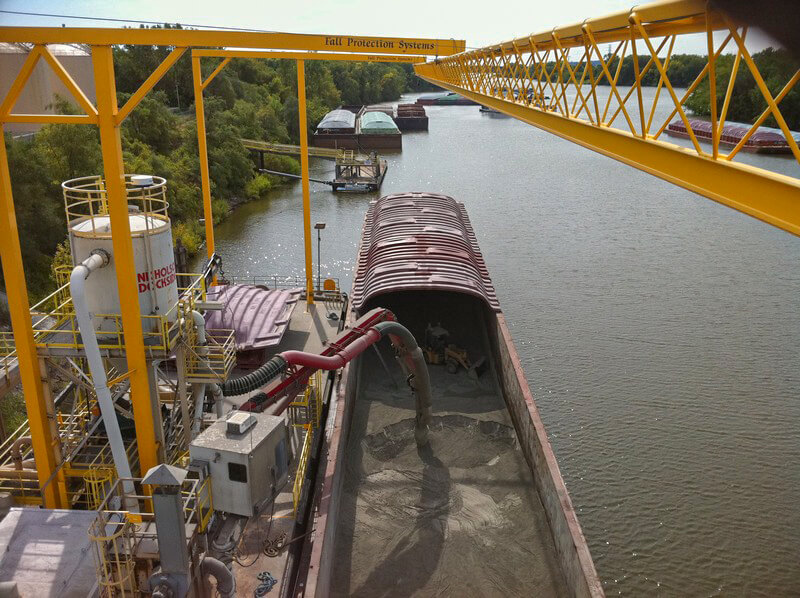
Bulk loading a barge with fall arrest system
Barge Bulk Loading operations require strict safety control because workers operate at height during the loading and unloading of bulk materials in marine environments. Lifeline fall protection systems are used to reduce fall hazards while maintaining efficient and continuous loading activity.
Designed for OSHA compliance, Barge Bulk Loading safety systems provide continuous protection using high-strength lifelines and secure harness connections. These systems are essential in maritime and industrial facilities where worker movement is required along elevated loading zones.
What is Barge Bulk Loading?
Barge Bulk Loading refers to the process of transferring bulk materials such as dry goods, minerals, or industrial products onto or off barges in marine environments. During Barge Bulk Loading operations, workers often operate at height, making fall protection a critical requirement for safe operations.
Importance of Barge Bulk Loading Safety Systems
Barge Bulk Loading involves elevated work areas, open edges, and changing marine conditions that increase safety risks.
A lifeline fall protection system for Barge Bulk Loading is important because it:
- Reduces fall risks during operations
- Ensures OSHA-compliant safety practices
- Provides continuous worker protection
- Improves operational safety in marine environments
- Supports safe movement during loading and unloading
How Barge Bulk Loading Fall Protection Works
In Barge Bulk Loading operations, workers wear safety harnesses connected to high-strength lifeline systems. These lifelines provide continuous attachment points that allow safe movement across elevated loading areas. If a fall occurs, the system activates fall arrest protection to reduce injury risk. This ensures workers remain protected throughout Barge Bulk Loading operations while maintaining productivity.
Key features
- Continuous lifeline fall protection system
- High-strength industrial cables
- Secure harness attachment points
- OSHA-compliant safety design
- Suitable for marine environments
- Durable construction for heavy-duty use
- Designed for continuous Barge Bulk Loading operations
These features make the system suitable for demanding marine loading environments.
Safety and compliance
Barge Bulk Loading safety systems are designed to meet OSHA requirements for working at heights. They help reduce fall-related risks and ensure workers remain protected during marine loading operations. The system supports safer operational practices by maintaining continuous fall protection throughout Barge Bulk Loading activities.
Operational benefits
- Reducing accident-related downtime
- Improving worker mobility and safety
- Supporting continuous loading operations
- Enhancing workplace confidence
- Maintaining safer marine workflows
Applications
Barge Bulk Loading fall protection systems are commonly used in:
- Marine loading terminals
- Waterfront industrial facilities
- Bulk material transfer operations
- Barge loading and unloading sites
- Port and harbor operations
In these environments, Barge Bulk Loading systems ensure safer working conditions.
What is Barge Bulk Loading used for?
Barge Bulk Loading is used to transfer bulk materials onto or off barges in marine and industrial operations.
How does Barge Bulk Loading fall protection improve safety?
It improves safety by providing continuous lifeline and harness-based fall arrest protection during elevated loading operations.
Where is Barge Bulk Loading commonly used?
It is commonly used in ports, marine terminals, waterfront facilities, and industrial loading areas.
What safety system is used in Barge Bulk Loading?
Lifeline fall protection systems with high-strength cables and harness connections are used for worker safety.
Why is Barge Bulk Loading safety important?
It is important because workers operate at height in marine environments where fall risks are high and continuous protection is required.