


Hazardous-Placard-Placement-1024×360-1
Categories:
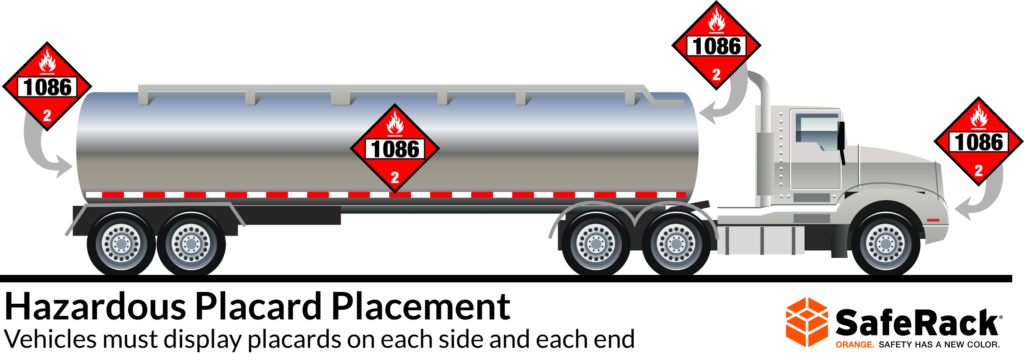
Proper identification is an important part of hazardous material handling and transportation. Hazardous placards provide visual information about the materials being transported, helping workers, drivers, inspectors, and emergency personnel recognize potential hazards during loading, unloading, storage, and transit operations. Hazardous Placard Placement should be considered as part of the overall safety and workflow design of truck and railcar loading areas. Correctly positioned placards need to remain visible while vehicles are being loaded, unloaded, inspected, or moved through a facility.
What Is Hazardous Placard Placement?
Hazardous Placard Placement refers to the positioning of hazard identification placards on vehicles, containers, or designated areas so the applicable hazard information can be clearly recognized. Placards are used to communicate the type of hazardous material involved and provide important visual identification during transportation and handling operations. In industrial loading environments, proper placement should account for vehicle configuration, loading equipment, access points, and visibility. SafeRack designs loading platforms and access systems around the specific layout and operational requirements of truck and rail facilities.
Why Is Hazardous Placard Placement Important?
Clear hazard identification helps personnel recognize potential risks before performing loading, unloading, inspection, or other activities around a vehicle. Poorly positioned or obstructed identification can make it more difficult to recognize the material being handled. Effective Hazardous Placard Placement can also support safer facility operations by keeping required identification visible while maintaining practical access around trucks, railcars, and loading equipment. The placement should be considered alongside other safety measures rather than treated as an isolated requirement.
How Does Hazardous Placard Placement Work?
The process begins by identifying the vehicle or container configuration and determining where the required hazard identification needs to be displayed. The location should provide clear visibility without interfering with loading equipment, access systems, or normal vehicle operations. Facility operators should also consider whether platforms, gangways, loading arms, safety cages, or other equipment could obstruct visibility. SafeRack’s loading platforms are custom-engineered around existing infrastructure, vehicle configurations, access requirements, and facility layouts.
Key Considerations
- Clear Visibility: Placards should be positioned where they can be readily seen during normal loading, unloading, inspection, and transportation activities.
- Vehicle Configuration: Truck and railcar designs vary, so placard locations should account for the dimensions and configuration of the vehicle or container.
- Equipment Clearance: Loading arms, gangways, platforms, piping, and other equipment should not unnecessarily block required hazard identification.
- Consistent Identification: Consistent placement makes it easier for personnel to recognize hazardous materials during routine operations and facility inspections.
- Facility Safety Planning: Hazard identification should form part of the broader loading-area safety plan, including access, fall protection, equipment positioning, and operational workflow.
Applications
Hazardous Placard Placement can be relevant across a range of industrial transportation and loading environments, including:
- Bulk chemical loading facilities
- Petroleum and fuel terminals
- Tank truck loading areas
- Railcar loading and unloading facilities
- Chemical manufacturing plants
- Distribution and transportation facilities
- Industrial inspection areas
- Hazardous material handling operations
Benefits of Proper Hazard Identification
Effective Hazardous Placard Placement provides several practical benefits for industrial operations:
- Improves visibility of hazardous material identification
- Helps personnel recognize potential material hazards
- Supports organized loading and unloading operations
- Helps maintain clear identification around transportation equipment
- Complements broader facility safety practices
- Supports easier visual recognition during inspections
Why SafeRack for Industrial Loading Access?
SafeRack provides truck and railcar loading platforms, gangways, safety cages, and other access systems designed around specific facility and operational requirements. Its engineering approach considers existing infrastructure, vehicle configurations, access points, and safety requirements when developing loading solutions. When planning a loading or unloading area, integrating safe access with clear hazardous material identification can help create a more functional and safety-focused operation.
What is the purpose of hazardous material placards?
Hazardous material placards provide visual identification of the type of hazardous material being transported or handled.
Where should hazardous placards be placed?
Placement depends on the applicable transportation requirements and the configuration of the vehicle, container, or equipment. Placards should be positioned where the required identification is clearly visible.
Why is placard visibility important?
Visible identification helps workers and other personnel recognize potential hazards during transportation, loading, unloading, and inspection activities.
Can loading equipment obstruct placards?
Yes. Platforms, gangways, loading arms, piping, and other equipment can potentially interfere with visibility. Facility planning should account for these interactions.
Does SafeRack provide solutions for hazardous material loading areas?
Yes. SafeRack provides loading platforms, gangways, safety cages, and related access systems for truck and railcar loading environments, with solutions designed around facility and operational requirements.