


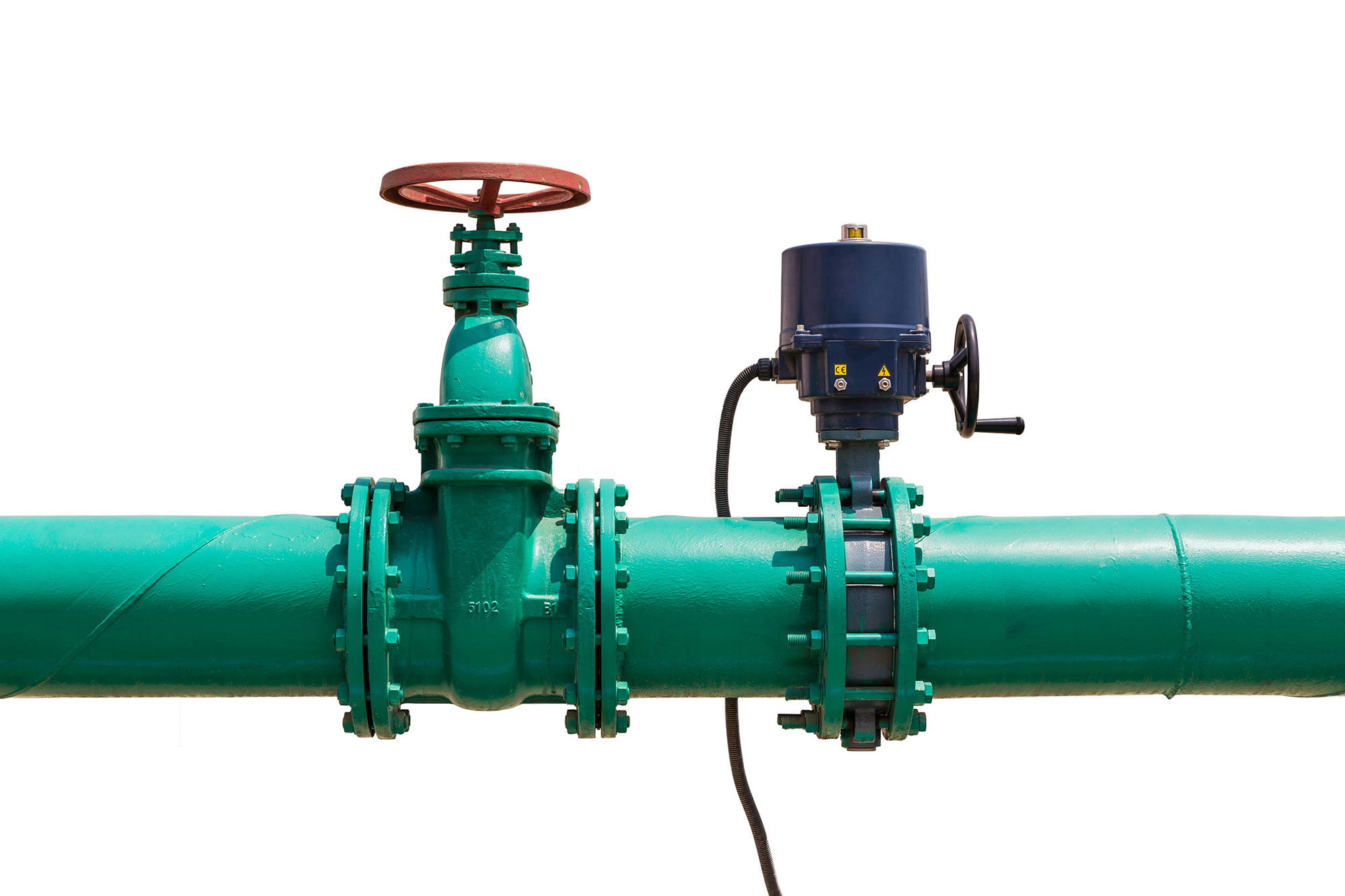
A motor operated valve (MOV) is a valve that uses an electric motor to open, close, or regulate the flow of liquids or gases. These valves are commonly used in large industrial systems where manual operation is not practical due to size, pressure, or safety requirements.
In industrial environments, systems like loading arms and couplings and loading platforms often depend on a MOV to control the safe transfer of fluids. These valves play a critical role in maintaining controlled and efficient operations.
How a Motor Operated Valve (MOV) Works
A motor operated valve (MOV) operates using an electric actuator connected to the valve mechanism.
Process:
- An electric motor receives a control signal
- The actuator converts electrical energy into mechanical motion
- The valve opens, closes, or modulates flow
- Position feedback ensures accurate control
- The system maintains safe and consistent flow
This allows a motor operated valve (MOV) to manage flow efficiently in systems such as truck loading operations and bulk transfer systems.
Types of Motor Operated Valves
A MOV can be classified into different types:
By Operation:
- On/Off valves (fully open or closed)
- Control valves (modulate flow rate)
By Valve Design:
- Ball valves
- Butterfly valves
- Gate valves
- Plug valves
These valves are commonly integrated with systems like grounding and monitoring equipment to ensure safe handling of hazardous materials.
Applications
A MOV is widely used in:
- Oil and gas industry
- Chemical processing plants
- Power generation facilities
- Water treatment systems
- Industrial fluid transfer operations
These industries also rely on access systems such as railcar gangways and infrastructure like terminal equipment for safe operations.
Benefits and Importance in Motor Operated Valve (MOV)
Using a MOV provides several advantages:
- Enables remote and automated valve control
- Handles large valves safely and efficiently
- Improves operational accuracy
- Reduces manual labor and human error
- Enhances system safety and reliability
Safety is further supported by systems like fall protection equipment and secure access solutions such as safety gates.
Key Considerations
When using a MOV, consider:
- Proper installation by qualified personnel
- Regular maintenance and inspection
- Backup manual operation during power failure
- Compatibility with system pressure and flow requirements
- Compliance with safety standards
A MOV is a valve control by an electric motor to regulate or stop fluid flow.
It uses an electric actuator to open, close, or control the valve based on system requirements.
They are use in oil and gas, power plants, water treatment, and industrial processing systems.
Yes, most MOV systems include manual override for emergency situations.