


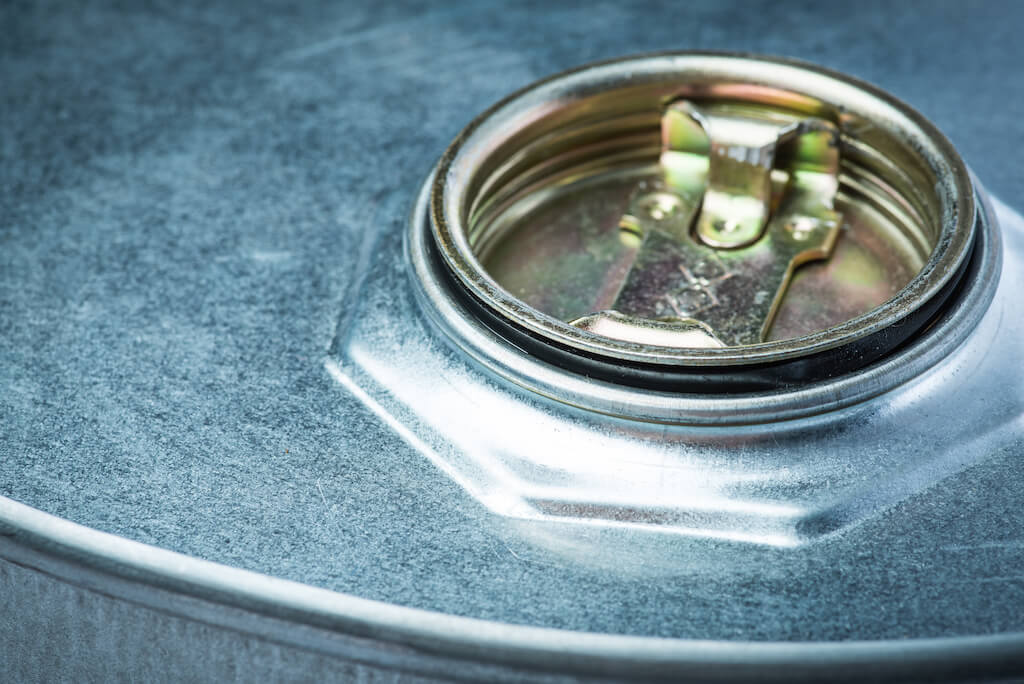
A drum cover is a steel disc with a rim. It is designed to sit on top of a standard open-head, 55-gallon drum. The drum cover helps contain the contents of the drum, preventing spills and reducing vapor release. It is part of Intermediate Bulk Container (IBC) and tote tank systems. To further avoid spills, you might need accessories like a drum top funnel. Why does this matter? Drums are used everywhere to store and transport chemicals, oils, and other liquids. Without a proper drum cover, spills can happen during pumping, mixing, or transferring. A good cover keeps the product in the drum and the workplace safe. For facilities that handle many drums, spill containment systems work alongside drum covers to prevent environmental releases.
What Is a Drum Cover?
It is a simple but important device. Here are its key features:
- Made of steel for durability
- Has a rim that fits over the drum opening
- Designed for open-head 55-gallon drums
- Creates a seal to prevent splashing
- Includes ports for pumps or hoses
- Often has a clamp mechanism for secure attachment
Drum Cover vs Drum Lid
It is different from a standard drum lid. Here is the comparison:
Standard drum lid
- Closed top with no openings
- Removed completely to access drum contents
- No ports for pumps or hoses
- Not designed for dispensing
Drum cover
- Has openings and ports
- Stays on the drum during dispensing
- Allows pump attachment
- Prevents spills during use
Parts of a Drum Cover
A complete assembly includes several components. Here are the main parts:
- Steel disc – The main body that covers the drum opening
- Rim – The edge that fits over the drum lip
- Port – Opening for attaching a pump or hose
- Clamp mechanism – Secures the cover to the drum
- Gasket or seal – Prevents vapor and liquid escape
- Adapter – Allows different pump sizes to fit
Uses of Drum Covers
They serve many purposes in industrial settings. Here are the most common uses:
- Dispensing liquids from drums using pumps
- Mixing contents inside drums
- Sampling drum contents without spilling
- Connecting drums to transfer lines
- Preventing vapors from escaping
- Reducing fire hazards from flammable liquids
Spill containment preparedness is now a part of any facility emergency response plan. A drum cover is one simple tool that helps prevent spills before they happen. For chemical processing, drum covers with pump adapters are used daily for transferring chemicals.
Pump Adapters for Drum Covers
They with an adapter allows the addition of a pump. Here is what you need to know:
Types of adapters
- Threaded adapters for screw-in pumps
- Cam-lock adapters for quick connections
- Flanged adapters for large pumps
- Universal adapters for multiple pump sizes
Compatible pumps
- Drum pumps (hand-operated or electric)
- Transfer pumps for bulk dispensing
- Metering pumps for precise amounts
- Air-operated diaphragm pumps
The includes a port that allows the pump body to be placed and held in position inside the drum. This makes dispensing easy and safe. For loading arms, similar principles apply for larger-scale transfers, but they are for smaller containers.
Drum Sizes and Compatibility
Not all drums are the same size. Here is what you need to know about drum cover compatibility:
55-gallon standard metal drum
- The most common size in industry
- Open-head version has a removable lid
- Standard drum covers fit this size
42-gallon barrel
- Used for crude oil products
- Different size from standard drums
- Standard drum covers do not fit
IBC totes (275 or 330 gallons)
- Much larger than drums
- Use different covers and fittings
Spill Prevention with Drum Covers
They are an important part of spill prevention. Here is how they help:
- Keep liquid from splashing out during pumping
- Prevent tipping-related spills
- Reduce vapor emissions
- Contain small leaks from pumps
- Allow safe sampling without opening drum fully
Spill containment preparedness is now a part of any facility emergency response plan. They are one element of a complete spill prevention strategy. For drum and IBC spill pallets, They provide an additional layer of protection at the container opening.
Materials
They are made from various materials. Here are the options:
Carbon steel
- Strong and durable
- Good for general use
- Can rust if not painted
Stainless steel
- Corrosion resistant
- For aggressive chemicals
- More expensive
Plastic or poly
- Lightweight
- Chemical resistant
- Less durable than steel
They are made from steel for strength and durability. The steel disc with rim design has been proven over decades of use. For containment berms, They are used together with berms for complete spill protection.
Accessories
Several accessories work. Here are common additions:
- Drum top funnels for easy filling
- Drum pumps for dispensing
- Drum heaters for viscous products
- Drum agitators for mixing
- Drum level gauges for monitoring
- Drum vents for pressure relief
To further avoid spills, you might need accessories like a drum top funnel. These accessories attach to the ports. For truck spill containment, They are used when transferring from drums to trucks.
It is a steel disc with a rim that sits on top of a standard open-head 55-gallon drum to contain contents and allow pump attachment.
It has ports for pumps and stays on during dispensing, while a standard drum lid is removed completely to access contents.
A standard fits a 55-gallon open-head metal drum, not the 42-gallon barrel used for crude oil.