

Direct OP is actually short for direct operation. A direct OP gas station is one that is owned and operated by a major oil company. Oil firm employees run the attended facility for the company owner. Unlike franchise or dealer-owned stations, direct OP locations are fully controlled by the oil company itself. Major oil companies own direct OP gas stations. These stations are corporate assets from the ground up. The land, the building, the pumps, and the inventory all belong to the oil company. Every employee works directly for the oil company, not for a franchisee or independent dealer. For fuel distribution to direct OP stations, truck loading systems ensure efficient delivery of gasoline and diesel from refineries and terminals.
How Direct OP Works
They gas station operates under a simple ownership model. Here is how it works:
- The oil company owns the property
- The oil company owns all equipment and inventory
- Company employees staff the station
- Company headquarters sets fuel prices
- All profits go directly to the oil company
- All losses are absorbed by the oil company
This is different from other gas station models. In a Direct Operation model, there is no middleman. The customer buys fuel directly from the company that produced it. For accurate fuel measurement at direct OP stations, metering systems ensure every gallon sold is properly accounted for.
Direct OP vs Other Gas Station Models
Direct Operation is one of several gas station ownership models. Here is how they compare:
Direct OP (Direct Operation)
- Owned and operated by major oil company
- Company employees run the station
- Oil company sets prices and policies
- Examples: Some BP, Shell, Exxon, Chevron locations
Dealer-owned (Franchise)
- Independent dealer owns the business
- Dealer leases the land from oil company
- Dealer buys fuel from the oil company
- Dealer sets final retail price
Independent (Unbranded)
- Independent owner controls everything
- Buys fuel from any supplier
- No brand affiliation
- Sets own prices and hours
Commission operated
- Oil company owns the station
- Independent operator runs daily operations
- Operator earns commission on fuel sales
Direct Operation stations are the most controlled model. The oil company has total authority over pricing, hours, staffing, and customer experience. For bulk chemical plants that operate their own fueling stations, the direct OP model is common for fleet operations.
Why Oil Companies Use Direct OP
Oil companies choose the model for several strategic reasons. Here are the main ones:
- Complete control over brand presentation
- Ability to test new products or concepts
- Higher profit margins per gallon
- Direct customer feedback collection
- Training ground for future managers
- Market share protection in key locations
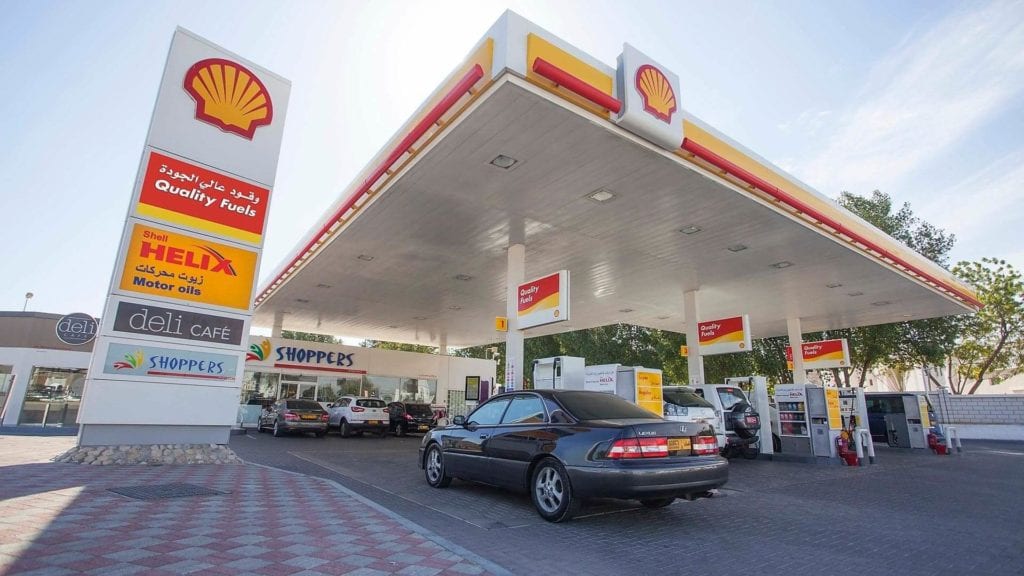
Major oil companies typically use for their highest-volume or most visible locations. These stations serve as flagship stores for the brand. For petroleum refineries, direct OP stations provide a guaranteed outlet for their refined products.
Where Direct OP Stations Are Found
Direct OP gas stations are found in many locations across the country:
- High-traffic highway interchanges
- Urban city centers
- Major airport fueling areas
- Corporate campus locations
- Test markets for new fuel blends
- Regions with strong brand loyalty
In the oil and gas industry, direct OP stations are often the first to receive new fuel formulations or technology upgrades. Chemical processing facilities may operate style fueling points for their own delivery fleets.
Benefits of the Direct OP Model
It offers several benefits for oil companies. Here are the key advantages:
- Full brand control from refinery to customer
- Higher profit capture on each gallon sold
- Direct relationship with end consumers
- Ability to enforce consistent standards
- Faster implementation of new initiatives
- No franchise disputes or dealer lawsuits
For customers, a direct OP station often means cleaner facilities, better trained staff, and more consistent pricing. The oil company has a reputation to protect. For environmental protection at stations, spill containment systems prevent fuel releases from underground tanks. Railcar track pans are used at rail terminals that supply station networks.
Limitations:
The model also has some drawbacks. Here are a few:
- Higher operating costs for the oil company
- Exposure to local market fluctuations
- Liability for all accidents and incidents
- Need for extensive management infrastructure
- Less local flexibility compared to dealers
- Higher real estate ownership costs
Despite these limitations, major oil companies continue to operate direct OP stations in strategic markets. The benefits of control often outweigh the costs. For worker safety at stations, fall protection systems protect employees working on elevated canopies or tanker access points. Safety gates secure access to rooftop equipment at gas stations.
Direct OP in the Fuel Supply Chain
It stations fit into the larger fuel supply chain. Here is how fuel moves from refinery to customer at a station:
- Crude oil arrives at refinery by pipeline or tanker
- Refinery processes crude into gasoline and diesel
- Fuel moves by pipeline to distribution terminal
- Tanker trucks load at terminal loading racks
- Trucks deliver to direct OP stations
- Customers pump fuel at the station
The oil company owns every step of this chain for its locations. This vertical integration is a key advantage. For rail delivery to terminals, railcar loading systems transport fuel to distribution points serving networks. Loading arms transfer fuel from storage to tanker trucks at terminals supplying stations.
Safety and Environmental Compliance
The stations must meet strict safety and environmental standards. Here are key requirements:
- Underground storage tank leak detection
- Spill containment at fueling positions
- Vapor recovery systems
- Fire suppression equipment
- Employee safety training
- Regular EPA and state inspections
For emergency response at direct OP stations, drench showers and portable eyewash stations protect employees from chemical exposure. Grounding and monitoring systems prevent static discharge during fuel delivery to underground tanks. Truck loading operations at terminals that supply stations require proper grounding and spill protection. Railcar gangways provide safe access for rail unloading at terminals serving networks.
It stands for direct operation, meaning a gas station owned and operated by a major oil company.
Oil company employees run the attended facility for the company owner, not franchisees or independent dealers.
The stations are fully owned by the oil company, while franchise stations are owned and operated by independent dealers.
Most major oil companies use for some locations, but most of their stations are franchise or dealer-owned.