


A bulkhead fitting is a threaded connector installed through the wall of a fuel tank or storage container. It is designe to create a secure, leak-free passage for pipes, hoses, or valves while maintaining a liquid-tight seal.
These fittings are widely use in fuel systems, chemical storage, and industrial fluid handling applications where safe transfer and containment are essential. In larger facilities, fluid transfer systems are often integrated with loading racks and skids and terminal equipment to ensure safe and controlled operations.
What Is a Bulkhead Fitting?
It allows fluid lines to pass through the wall of a tank without leakage. It creates a sealed connection between the inside and outside of the container.
Key Purpose:
- Enables safe fluid transfer
- Prevents leaks and spills
- Maintains structural integrity of the tank
- Supports fuel, oil, water, and chemical systems
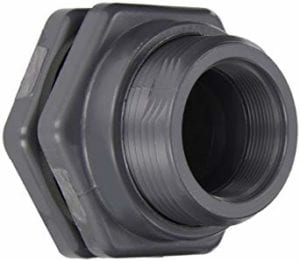
How a Bulkhead Fitting Works
The installation process is simple but highly effective.
Installation Steps:
- A hole is cut into the tank wall
- The fitting body is inserte through the opening
- A gasket is place against the tank surface
- A locknut is tightene from the opposite side
- The gasket is compress to form a seal
This compression creates a strong, leak-proof connection that performs well under pressure and vibration.
For safer handling during fluid transfer, systems like spill containment solutions and grounding monitoring systems are often use in industrial environments.
Key Features of Bulkhead Fittings
- Threaded design for secure pipe connections
- Gasket sealing system for leak prevention
- Suitable for fuel, oil, water, and chemicals
- Corrosion-resistant industrial materials
- Easy installation and maintenance
- Reliable performance under pressure
Applications of Bulkhead Fittings
It is commonly use in:
- Fuel storage tanks
- Diesel and gasoline systems
- Chemical processing plants
- Industrial fluid transfer systems
- Water drainage and outlet systems
In many industrial facilities, bulkhead fittings work alongside loading arms and couplings and pump & metering systems to ensure precise and safe liquid handling.
Why Bulkhead Fittings Are Installed at the Bottom of Tanks
Installing near the bottom of a tank provides several advantages:
- Efficient drainage of water and sediment
- Easy fuel or liquid outlet access
- Simplified tank cleaning and maintenance
- Improved flow control during transfer operations
This placement ensures maximum efficiency in fluid handling systems.
Importance in Industrial Safety
A properly installed bulkhead fitting plays a critical role in preventing leaks and maintaining system integrity.
Benefits:
- Prevents hazardous spills
- Ensures safe fluid transfer
- Reduces environmental risks
- Improves system reliability
- Supports compliance in industrial operations
Facilities often combine these fittings with spill containment berms and safety systems to enhance overall protection.
It is a connector that allows sealed piping through a tank wall without leaks.
They are use in fuel tanks, chemical systems, and industrial fluid storage applications.
To allow efficient drainage, fluid transfer, and easier maintenance.
It uses a gasket and locknut system to create a tight, compressed seal.