


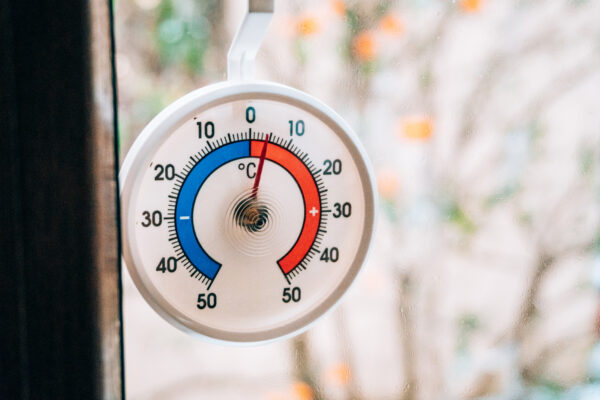
Ambient temperature refers to the temperature of the surrounding environment in a specific area. It is often called room temperature, but in industrial and outdoor settings, ambient temperature includes both indoor and external environmental conditions that can directly impact equipment performance and worker safety.
In facilities handling flammable liquids or operating fuel storage systems, monitoring ambient temperature is critical. Extreme hot or cold conditions can interfere with safe operations, accelerate equipment wear, and increase the risk of accidents.
Why Ambient Temperature Matters in Industrial Environments
Maintaining a controlled ambient temperature helps ensure stable operating conditions for both equipment and personnel. When temperatures move outside safe ranges, the effects can include:
- Reduced performance of electronic and hydraulic equipment
- Increased risk of vapor expansion in fuel tanks
- Higher likelihood of equipment failure or inaccurate sensor readings
- Greater physical stress on workers, especially during prolonged exposure
For fuel storage and handling systems, this must be closely monitored. Excessive heat can increase internal pressure and contribute to fuel degradation, while extreme cold can affect material flexibility and system reliability.
Ambient Temperature and Fuel Storage Safety
The ambient temperature surrounding fuel tanks plays a direct role in safe storage conditions. Industry standards typically recommend maintaining storage temperatures near 50°C (122°F) or below to reduce risks related to vapor buildup and material stress.
When this temperature rises above safe thresholds, additional controls such as ventilation, grounding systems, and temperature monitoring become essential. These measures help maintain safe operating conditions and support compliance with safety regulations.
Understanding Ambient Heat in the Workplace
Ambient heat refers specifically to elevated environmental temperatures that can affect workers and equipment. High ambient heat conditions often result from:
- Direct sunlight or radiant heat sources
- Hot exhaust systems or industrial machinery
- High humidity combined with poor airflow
- Physically demanding tasks in warm environments
Prolonged exposure to ambient heat can lead to heat stress, dehydration, and heat-related illnesses, particularly in facilities handling hazardous or flammable materials.
OSHA Guidelines on Ambient Temperature and Heat Exposure
OSHA requires employers to manage ambient temperature conditions to protect workers from heat- and cold-related hazards. According to OSHA guidance, environments with high ambient heat pose increased risks, especially when combined with:
- Strenuous physical activity
- Radiant heat sources such as furnaces or sunlight
- Poor ventilation
- Protective clothing that limits heat dissipation
Industries commonly affected by high ambient heat include foundries, steel mills, chemical plants, bakeries, boiler rooms, warehouses, and fuel-handling facilities. Outdoor operations such as construction, oil and gas sites, emergency response, and hazardous waste cleanup also face elevated risks.
Employers may be required to provide temperature controls, heating or cooling systems, rest breaks, and protective measures depending on ambient conditions.
Equipment Affected by Extreme Temperatures
Many types of industrial equipment are sensitive to temperature extremes, including:
- Automotive systems
- Hydraulic machinery
- Electronic control units
- Monitoring and safety sensors
Maintaining a stable room temperature helps ensure accurate performance, extends equipment lifespan, and reduces unplanned downtime. This is especially important in safety-critical environments where equipment failure can have serious consequences.
It is the temperature of the surrounding environment where people, equipment, or materials are located, including indoor and outdoor conditions.
Ambient heat refers to elevated environmental temperatures that can affect worker safety and equipment performance, especially in industrial settings.
High ambient temperatures can increase internal pressure and safety risks in fuel tanks, while extreme cold can affect material performance and system reliability.
OSHA requires employers to manage workplace temperatures to protect workers from heat- and cold-related hazards, especially in high-risk environments.
Automotive, hydraulic, and electronic systems are particularly sensitive to extreme ambient temperatures and may malfunction if conditions are not controlled.