




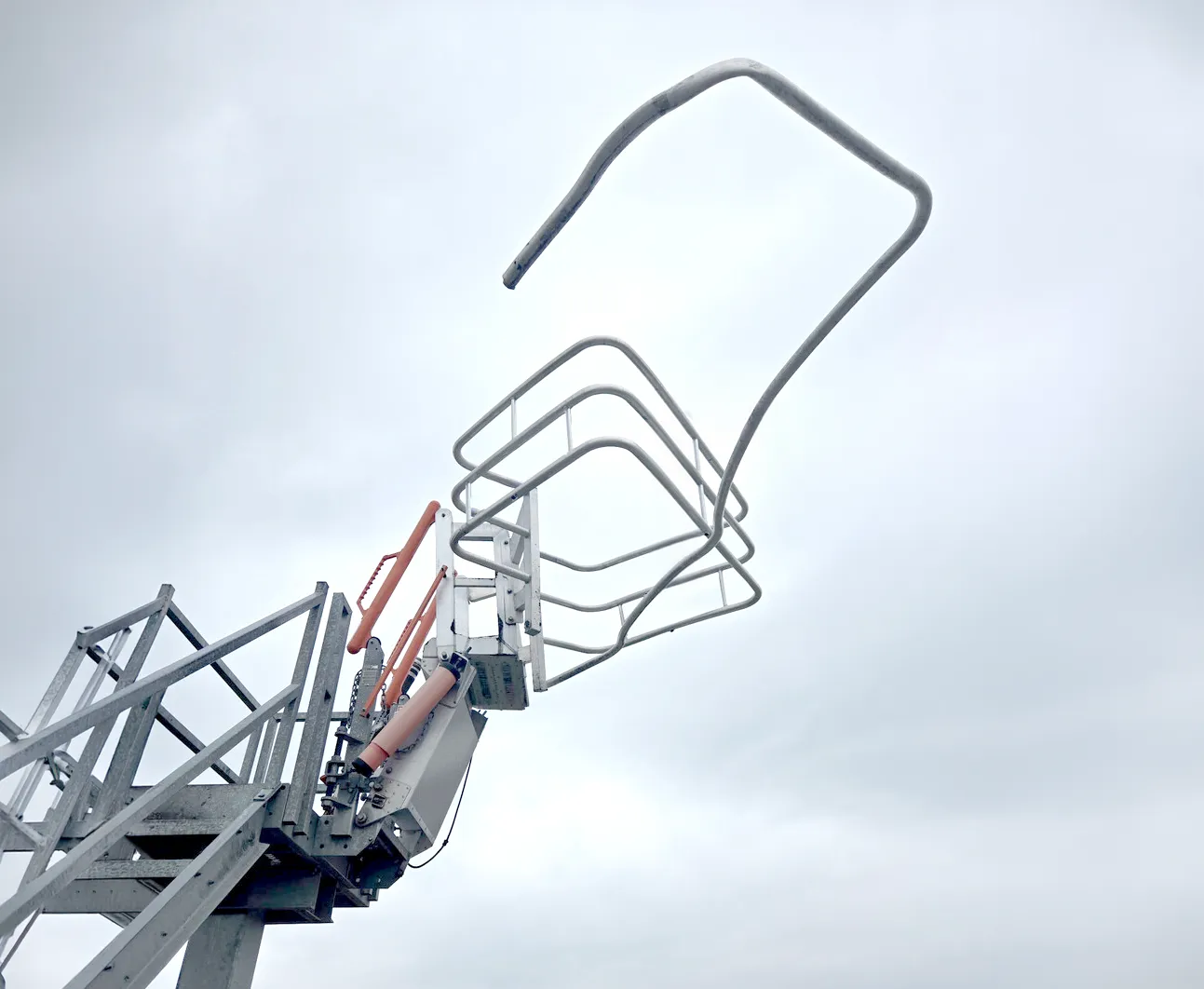
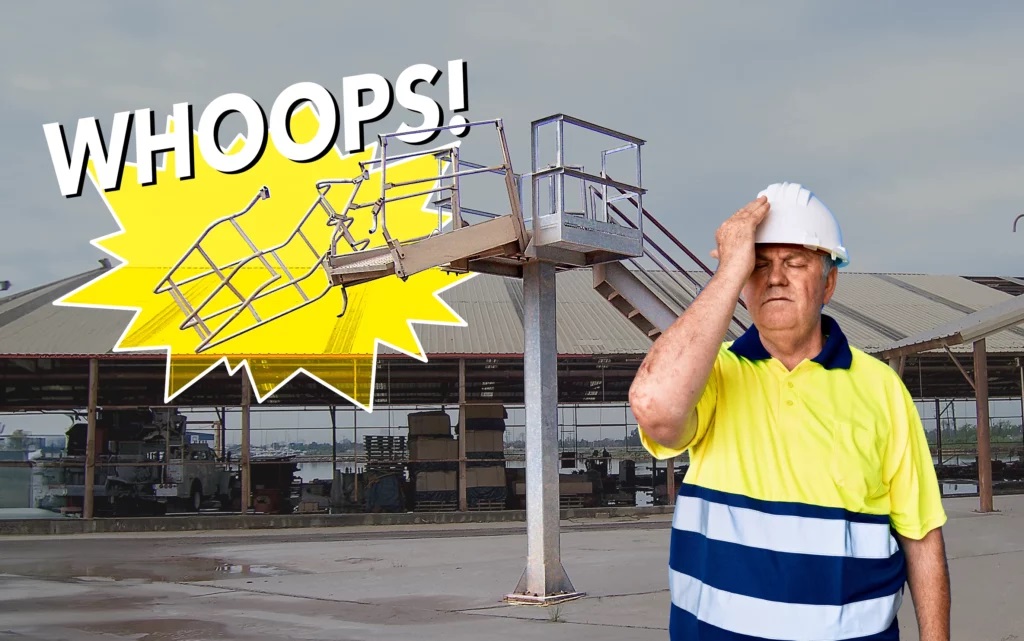
Every year, drive-off incidents at loading facilities result in damaged equipment, costly downtime, and serious safety risks. When a vehicle pulls away unexpectedly during loading or unloading operations, the consequences can be severe—from bent gangways and broken loading arms to worker injuries and production delays that ripple through your entire operation.
Understanding the Drive-Off Problem
A drive-off occurs when a truck, railcar, or marine vessel moves away from the loading position while workers are still engaged in operations or while equipment is still connected. These incidents happen more frequently than most facility managers realize, often due to:
- Communication breakdowns between drivers and loading personnel
- Inadequate vehicle restraint systems
- Lack of clear protocols for loading operations
- Driver impatience or unfamiliarity with site procedures
- Environmental factors affecting visibility or communication
The impact extends beyond the immediate damage. Facilities face unexpected equipment replacement costs, production shutdowns while waiting for repairs, potential OSHA citations, and the high cost of worker injuries. Loading rack downtime can be significantly reduced by incorporating prevention components, used either individually or as a system, to deter vehicle drive-offs while safe access equipment is deployed.
Comprehensive Drive-Off Prevention Solutions
When it comes to operating a fast-paced terminal or loading dock with truck operators loading or unloading hazardous liquids and dry bulk, SafeRack products and services can help you improve efficiency, ergonomics, and safety through a broad range of solutions. Improving safety at and around your loading area leads to long-term advantages, such as fewer recordables and near misses, and improvements in throughput and operator engagement.
Physical Barriers and Visual Deterrents
Extended Top Handrails act as a simple yet effective reminder to drivers and operators to store the gangways when they have completed their operations. They do not prevent operators from exiting the platform as they do not totally obstruct egress. This is a relatively simple retrofit or adder for new equipment. The handrails work with both stationary and tracking systems.
Powder-coated orange cages help to differentiate access equipment from pneumatic hopper truck trailers. Mill-finished aluminum cages blend in with the trailer’s appearance, whereas safety orange cages help remind drivers on the platform and ground that the cage is still deployed on top of the vehicles and that this is an environment where care should always be taken.
Traffic Gates add another level of drive-off prevention. They are programmed to go down when the gangway is placed into working position to remind drivers that the gangway is deployed. This adds a higher level of drive-off protection since it is a physical safety barrier, not just a visual or audible reminder.
Elevated Pedestal options raise the traffic gates so that they can be positioned closer to the trucks. This does two things: it is easier for drivers to see since the gates are elevated closer to their eye level—the typical position is placed 30′ in front of the cab, so the driver has a clear line of sight to a barrier that is 4′ high. It also brings the gates closer to the trucks so that locations with tight turn radius are not affected by a traffic gate being in or near the area they may need to turn.
Visual Alert Systems
LED Red and Green Strips can be added to the gate arms to increase their visual impact. The arm lights up green when in the up position, noting it is safe to drive off. It lights up red in the down position, signifying the gangway is in working position.
Standard Traffic Light (Red/Green Light) is a visual reminder that drivers should not proceed when red, signifying the gangway is in the down position. Green allows movement since the gangway is in the proper stored position. It is effective since it closely resembles standard traffic lights, where red and green signals are universally accepted.
Access Control Solutions
Magnetic Locking Swing Gates prevent egress from the platform when equipment is deployed. Operators cannot leave the platform until the gangway has been stored in the locked position. Limit switches on the base tread engage the magnetic lock when the gangway is deployed in working position. The lock is freed when the gangway is brought back up to the proper stored position.
The E-stop Option is available for companies wanting the ability to unlock the gate in an emergency event. It can be located on the platform, ground, or both, should it be required.
Audible Warning Systems
Buzzer/Alarm is an audible signal that alerts operators when the gangway is deployed and stored. If in the down position, the alarm will continuously sound. It will turn off when the gangway is brought up into proper store position.
Power Flexibility
Solar Powered Options are available for areas that don’t have power, ensuring that drive-off prevention systems can be deployed in any location regardless of electrical infrastructure availability.
When Disaster Strikes: Response Time Matters
The moment a drive-off occurs, the clock starts ticking. Every hour of downtime translates directly to lost revenue, missed shipments, and frustrated customers. This is where your equipment supplier’s response capability becomes necessary to your bottom line.
The SafeRack Difference: Made in the USA Means Faster Recovery
Unlike competitors who rely on overseas manufacturing with extended lead times, SafeRack’s domestic production facilities enable us to respond to emergency equipment needs with unmatched speed. When a customer in Iowa experienced a severe drive-off incident that damaged their loading gangway, our team mobilized immediately. Within days—not weeks or months—replacement equipment was manufactured, shipped, and ready for installation.
This rapid response capability stems from three advantages:
- Domestic Manufacturing: Our U.S.-based facilities eliminate the shipping delays, customs complications, and communication challenges that come with international supply chains.
- Inventory Availability: Strategic stock of common components and the ability to quickly customize solutions means we can address both standard and specialized equipment needs without the typical procurement delays.
- Technical Support: Our engineering team can assess damage, recommend solutions, and ship products while competitors are still waiting for overseas facilities to respond to emails in different time zones.
Designing Prevention Into Your Loading System
Safe access to hatches cannot be undertaken when equipment has been damaged by vehicles, often due in part to it not being properly stored. SafeRack is here to assist you in developing the most suitable solution for your application, whether you need individual components or an integrated system approach.
Have Replacement Parts: Drive-offs can cause significant damage to critical components, such as safety cages and springs. Having replacement parts on hand is your first line of defense against the downtime that follows such incidents. Be Ready with Replacement Parts
Powered Gangway Systems: SafeRack’s powered GX gangway system provides controlled, precise deployment that reduces the aggressive engagement associated with manual systems. This controlled movement minimizes equipment stress and reduces the likelihood of damage during unexpected vehicle movement.
Vehicle Restraint Integration: Effective drive-off prevention requires coordination between loading equipment and vehicle restraint systems. SafeRack designs loading solutions that work seamlessly with wheel chocks, vehicle immobilization systems, and communication protocols.
Operational Design: The configuration of your loading platform impacts safety. Features like extended reach capabilities, controlled descent systems, and clear visual indicators help operators maintain awareness throughout the loading process.
Building Resilience Into Your Operations
Smart facility managers plan for both prevention and response. Consider these questions:
- How quickly could you return to operation if your loading equipment were damaged tomorrow?
- Does your equipment supplier have the manufacturing capacity to respond to emergency needs?
- Are you dependent on overseas supply chains that could leave you offline for months?
- Do you have the right combination of physical barriers, visual alerts, and access controls for your specific operation?
The answers to these questions directly impact your operational resilience and risk management strategy.
Real-World Impact
Facilities across industries have experienced the SafeRack response advantage:
A petroleum refinery in Louisiana that had relied on temporary scaffolding for years switched to SafeRack’s permanent ErectaStep system—not just for the improved safety and eliminated rental costs, but for the peace of mind that comes with a supplier who can quickly address any future needs.
A cement company in the southeastern U.S. upgraded to powered gangway systems specifically because they needed a partner who could support their operations long-term with rapid parts availability and technical support.
Your Loading Operation Deserves Better
Drive-offs will continue to be a risk in any loading environment, but your response to these incidents doesn’t have to follow the same old script of extended downtime and frustrated operations teams.
With SafeRack’s combination of preventive design, Made in the USA manufacturing, and rapid response capability, you gain a true partner in operational resilience. When seconds count in safety and days count in downtime, having a supplier who can deliver matters.
Don’t wait for the next incident to discover your supplier can’t respond quickly enough. Contact SafeRack today to discuss how our domestic manufacturing advantage and comprehensive drive-off prevention solutions can protect your operations.
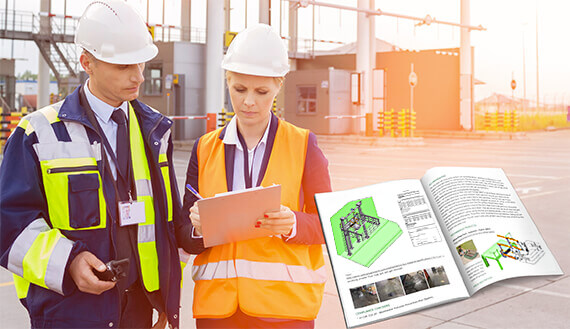
Scheduling an inspection or maintenance service is straightforward, mirroring the ease of ordering replacement parts. A proactive maintenance approach saves you time and significant repair costs in the long run.