


Volatile chemicals are substances that easily vaporize at relatively low temperatures, releasing gases into the air. These are commonly referred to as volatile organic compounds (VOCs) and are widely used across industrial, commercial, and household applications.
Due to their ability to quickly become airborne, they can pose health, safety, and environmental risks if not handled properly.
Common Examples of Volatile Chemicals
Many industries regularly use these chemicals, including:
- Benzene
- Toluene
- Xylene
- Turpentine
- Class I, II, and III flammable liquids
You may also encounter VOCs in everyday activities such as:
- Refueling vehicles (gasoline vapors)
- Dry cleaning (solvents)
- Using cleaning agents or disinfectants (e.g., chlorine-based products)
Key Characteristics
These chemicals share several defining properties:
- Low boiling point: Evaporate quickly at room temperature
- High vapor pressure: Easily release vapors into the air
- Strong odors: Often noticeable even at low concentrations
- Flammability: Many VOCs are highly combustible
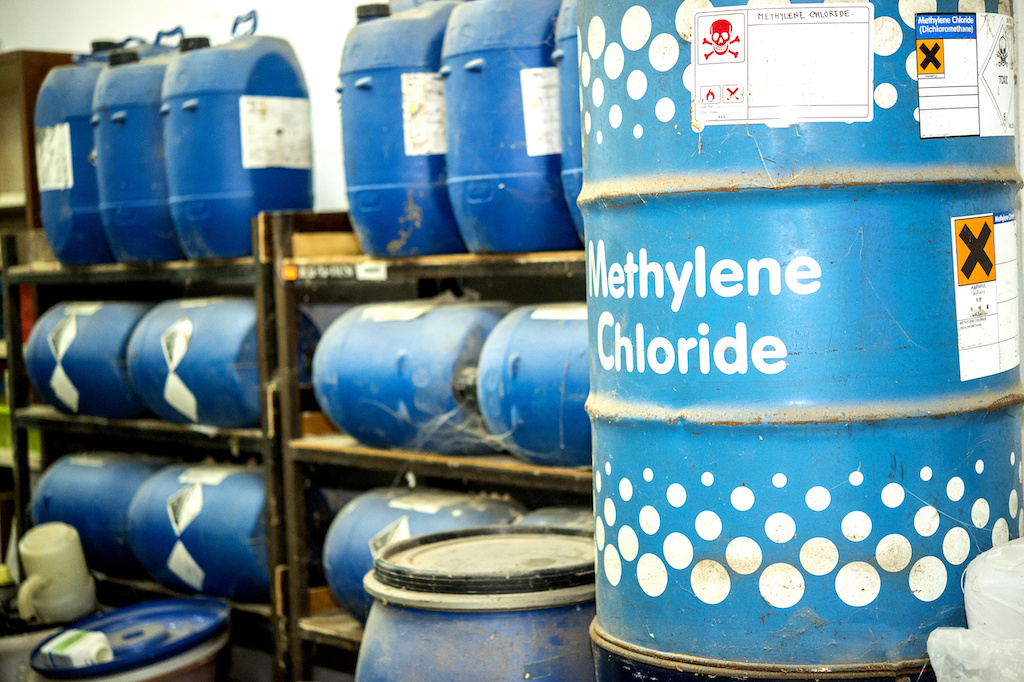
Industrial Applications
Volatile chemicals are essential in many sectors:
- Petroleum and fuel industries
- Chemical manufacturing
- Pharmaceutical production
- Paints, coatings, and adhesives
- Cleaning and sanitation processes
Health and Environmental Risks of Volatile Chemicals
Exposure to volatile chemicals can lead to serious concerns:
Health Risks
- Eye, nose, and throat irritation
- Headaches, dizziness, or nausea
- Respiratory issues with prolonged exposure
- Long-term risks (e.g., organ damage or cancer in certain cases like benzene)
Environmental Impact
- Contribute to air pollution and smog formation
- Release harmful emissions into the atmosphere
- Can contaminate soil and groundwater if mishandled
Safety Guidelines & Best Practices
Following safety protocols is critical when working with volatile chemicals:
- Proper Ventilation: Ensure adequate airflow in work areas
- Use PPE: Gloves, respirators, and protective eyewear
- Safe Storage: Store in sealed, labeled containers away from heat sources
- Spill Control: Use containment systems to prevent leaks
- Compliance: Follow Department of Energy (DOE) and OSHA regulations
Tip: Always handle volatile chemicals in controlled environments to minimize vapor exposure.
A chemical is considered volatile if it evaporates easily at low temperatures, releasing vapors into the air.
Not all are highly toxic, but many can be harmful or flammable, especially with prolonged exposure or improper handling.
VOCs (volatile organic compounds) are carbon-based volatile chemicals commonly found in fuels, solvents, and industrial products.
Through ventilation, PPE, proper storage, and adherence to safety guidelines.
In industrial facilities, fuel stations, cleaning products, paints, and solvents.