


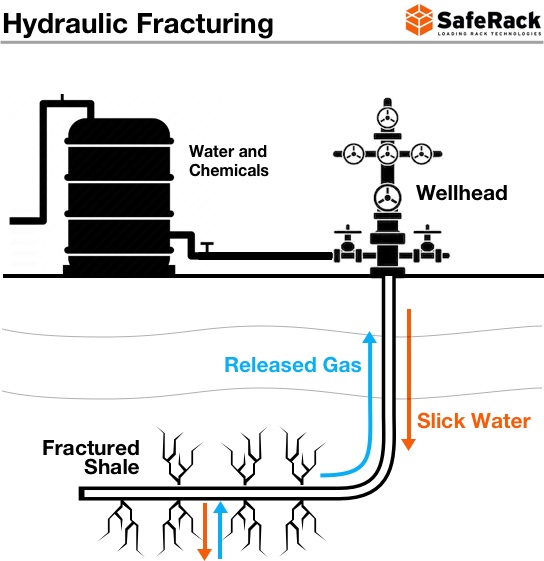
Frac sand, also known as proppant, is a high-purity sand used in hydraulic fracturing (fracking). It is injected along with water and chemicals (commonly called slickwater) at high pressure into underground rock formations to create and maintain fractures that allow oil and gas to flow freely.
During the fracking process, the sand particles hold open the cracks in shale formations, ensuring continuous extraction of hydrocarbons even after pumping stops.
How Frac Sand Works
- Injection: Water, chemicals, and frac sand are pumped into a well at high pressure.
- Fracturing: The pressure creates cracks in gas- or oil-rich shale rock.
- Propping Open: It fills these fractures and prevents them from closing.
- Extraction: Oil and gas flow through the open fractures to the surface.
Key Insight: Without frac sand, fractures would close quickly, significantly reducing well productivity.
What Makes This Sand Unique?
It is not ordinary sand. It has specific properties that make it suitable for high-pressure environments:
- High Purity: Typically composed of crystalline silica (quartz)
- Crush Resistance: Can withstand extreme underground pressure
- Uniform Grain Size: Ensures consistent flow and performance
- Round Shape: Improves permeability and allows fluids to pass easily
Other types of sand often break down under pressure, making them ineffective for fracking operations.
Types of Proppants
While this sand is the most common, other proppants include:
- Resin-coated sand: Enhanced strength and durability
- Ceramic proppants: Used in deeper wells with extreme pressure
- Natural (frac sand): Most cost-effective and widely used
Industrial Applications
- Oil & gas extraction (primary use)
- Hydraulic fracturing operations
- Energy production enhancement
Yes. it is high-purity quartz with specific size, shape, and strength properties required for fracking.
It keeps fractures open, allowing oil and gas to flow efficiently to the surface.
Yes, materials like ceramic proppants, but they are more expensive and used in specialized conditions.
A mixture of water, chemicals, and frac sand used in hydraulic fracturing.
Through proppant containers, bulk systems, and specialized logistics solutions