


Effluent is a term use in engineering, environmental science, and industry to describe liquids or gases that flow out of a structure or process after treatment. While most commonly associated with treated wastewater, the word can have multiple meanings depending on the context.
It may include:
- Industrial wastewater from factories, refineries, or chemical plants
- Treated sewage from municipal wastewater facilities
- Liquid byproducts exiting chemical reactors
- Outflows from power plants, including coal-fired facilities
The term is often use in discussions about pollution control, environmental compliance, and wastewater management.
Why Effluent Matters
Its management is crucial in both environmental protection and industrial operations. Improperly treated effluent can:
- Pollute rivers, lakes, and oceans
- Harm aquatic life and ecosystems
- Lead to regulatory fines and legal issues
For industries, properly managing effluent ensures compliance with local, state, and federal regulations, including discharge permits.
Types of Effluent
1. Municipal
Treated wastewater from sewage treatment plants. It typically includes water from homes, commercial buildings, and public facilities.
2. Industrial
Wastewater generated from factories, oil refineries, chemical plants, and power plants. It can contain chemicals, heavy metals, and other contaminants.
3. Process
Liquid streams exiting a specific industrial process, such as chemical reactors or cooling systems, often after on-site treatment.
4. Air
Gases or vapors discharged from industrial processes. While less common in day-to-day conversation, this is critical for air quality compliance.
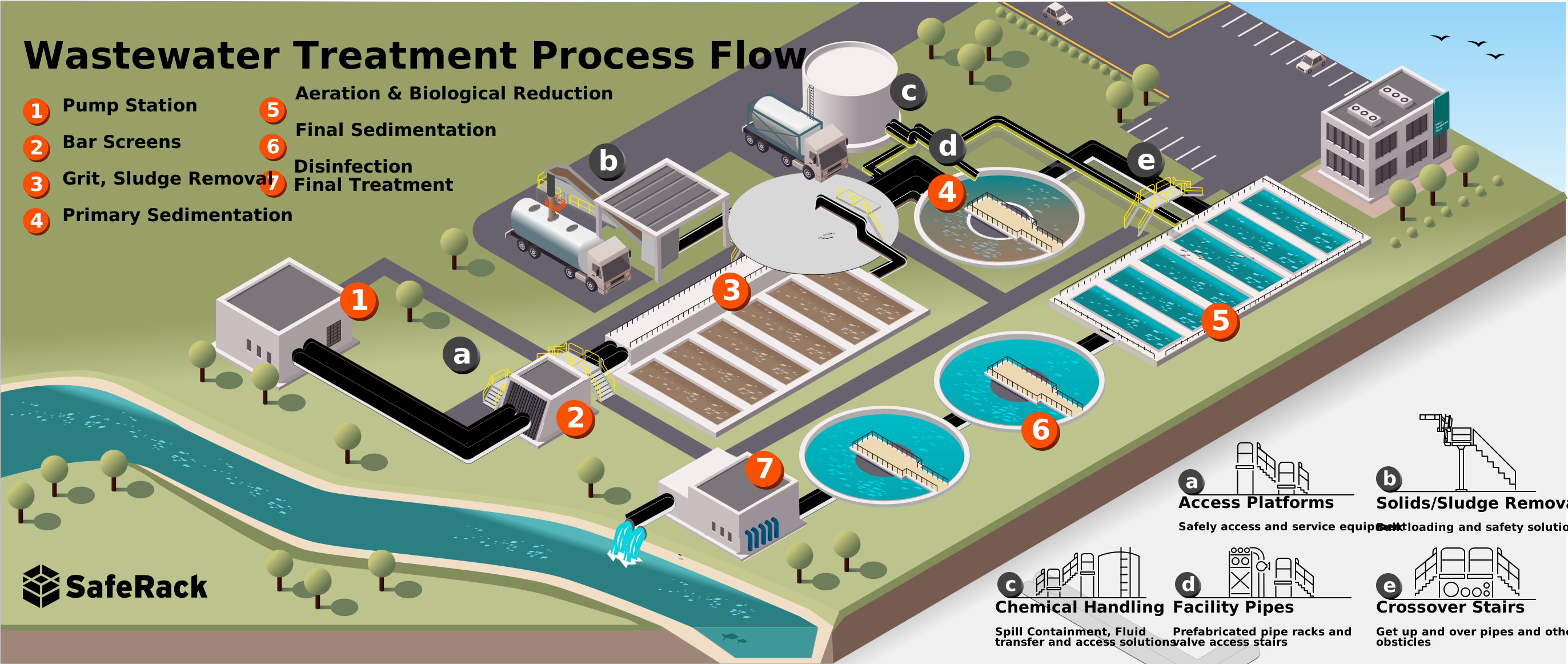
Treatment and Safety
To minimize environmental impact, It is usually undergoes treatment before discharge. Treatment processes vary depending on its type and may include:
- Physical treatment: Filtering solids
- Chemical treatment: Neutralizing harmful compounds
- Biological treatment: Using microbes to remove contaminants
Proper treatment ensures effluent meets regulatory standards and protects ecosystems from pollution.
Common Industries Producing
- Oil and Gas: Refineries and petrochemical plants produce liquid byproducts
- Power Generation: Coal-fired and nuclear plants discharge treated water
- Chemical Manufacturing: Process effluent from reactors and production lines
Food & Beverage: Wastewater from cleaning, processing, and bottling operations
It is treated or untreated wastewater leaving a facility or process, whereas wastewater is a general term for water that has been used and may still need treatment.
Not necessarily. Treated effluent is often safe for discharge into rivers or reused in certain applications, but untreated effluent can be highly polluting.
Treatment depends on the type and can include physical, chemical, or biological processes to remove pollutants before discharge.
In the U.S., the Clean Water Act and EPA discharge permits regulate effluent. Other countries have similar local standards.
Yes. Treated effluent can be reused in industrial cooling, irrigation, or non-potable applications, reducing freshwater demand.