


A piping system designed with an inner carrier pipe enclosed by a secondary outer pipe, providing containment in the event of a leak during fuel transportation operations.
Detailed Explanation
This configuration is widely used in the petroleum industry to reduce environmental and operational risk. If the primary pipe carrying fuel fails, the surrounding outer pipe prevents product release into the surrounding area. This secondary barrier acts as a containment layer, minimizing the chance of soil or groundwater contamination.
An additional benefit of this design is the ability to monitor the annular space between the two pipes. Leak detection systems can be installed to identify the presence of fuel or vapors early, allowing operators to respond before a minor issue becomes a major incident.
Safety and Regulatory Importance
Environmental protection agencies recognize this system as an added layer of protection for fuel handling infrastructure. By providing both containment and monitoring capabilities, it supports compliance with environmental regulations and enhances overall facility safety.
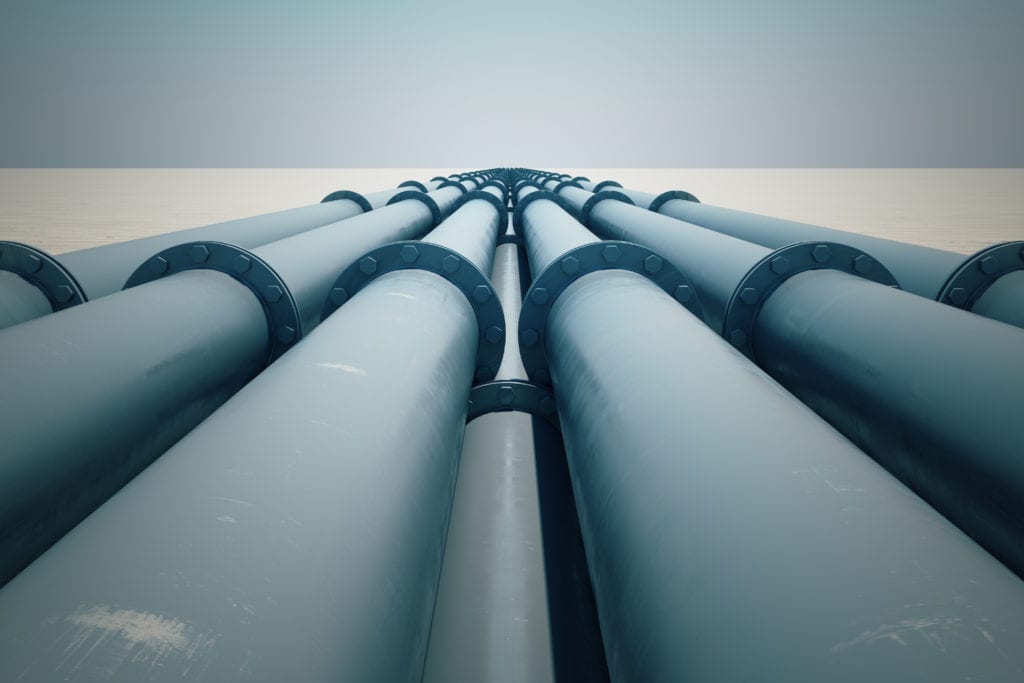
It reduces the risk of environmental contamination by capturing leaks before they escape into the surrounding area.
Yes. Monitoring systems can be installed in the space between pipes to alert operators when a leak occurs.
It is primarily used in petroleum storage and fuel transfer operations where spill prevention is critical.
Yes. It aligns with environmental protection guidelines and supports spill prevention requirements set by regulatory agencies.
While common in fuel transport, similar designs may be used in other industries handling hazardous liquids.