


A confined space is an area that is not designed for continuous worker occupancy and has limited entry or exit points. Workers may need to enter these spaces for maintenance, inspection, or operations, but these areas often pose serious safety hazards.
Examples of confined spaces include:
- Storage tanks, silos, and bins
- Vessels and pits
- Tunnels and manholes
- Railroad hoppers and pipelines
- Equipment housings and ductwork
When a space requires special safety precautions due to potential hazards, OSHA calls it a permit-required confined space.
Hazards in Confined Spaces
Confined spaces can contain hazards that may cause injury or death. Common dangers include:
- Limited oxygen or oxygen-rich environments
- Toxic or flammable gases
- Materials that can collapse or engulf workers, like dirt, fluids, dust, or industrial products
- Heat stress or unguarded machinery
- Electrical hazards and live wires
Proper precautions are essential before entering any confined space.
OSHA Confined Space Requirements
Workers who enter confined spaces must:
- Receive training and have a valid entry permit.
- Follow employer procedures for safe entry and work.
- Identify physical hazards inside the space before entry.
- Monitor environmental conditions, including oxygen levels and presence of toxic or explosive gases.
- Use appropriate safety equipment, such as fall protection, ventilation, lighting, air monitoring devices, and communication systems.
- Maintain contact with an attendant outside the space at all times via sight or electronic communication.
Following OSHA guidelines ensures safety and legal compliance in workplaces with confined spaces.
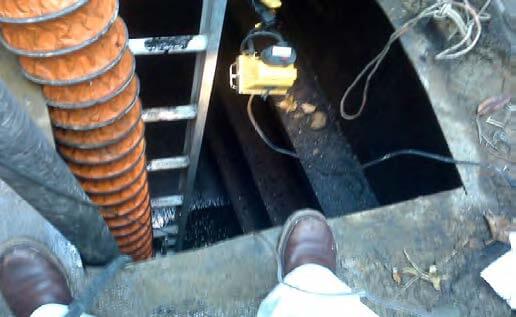
Industries Where Confined Spaces Are Common
- Fuel depots and tank farms
- Marine unloading facilities
- Agricultural silos and processing plants
- Municipal sewage and water treatment facilities
- Railroad loading operations
Saferack provides safety solutions designed to protect workers in these environments, including fall protection, access equipment, and monitoring devices.
A permit-required confined space has recognized hazards that may require specialized safety equipment, permits, and trained personnel.
Not all, but many confined spaces pose fall hazards, and OSHA recommends fall protection whenever there is a risk of falling.
An attendant outside the confined space must maintain constant contact and monitor the worker’s safety.
No. Only trained personnel with a valid permit should enter confined spaces.