


Bunker fuels are heavy fuel oils used to power large ships, particularly military and commercial vessels. These fuels are designed for high-capacity marine engines that require dense, energy-rich fuel to operate efficiently over long distances.
Bunker fuels are commonly stored for extended periods and are formulated to remain stable during long-term storage and transportation.
Types of Bunker Fuels
Bunker fuels are classified into different grades depending on their composition and viscosity.
- Bunker 5: A heavy fuel oil commonly used by naval and military ships.
- Bunker C: A widely used commercial marine fuel with high viscosity.
- Marine Fuel Blends: Specialized mixtures designed to meet engine and environmental requirements.
These fuels are thick and dense, making them suitable for large marine engines that operate continuously during long voyages.
Characteristics of Bunker Fuels
Bunker fuels have several unique properties that distinguish them from lighter fuels:
- High Viscosity: Bunker fuels are thick and require heating before pumping or combustion.
- Energy Dense: They provide significant energy output for large ship engines.
- Long-Term Storage Stability: Designed for storage in ship fuel tanks for extended periods.
- Cold Weather Challenges: In cooler temperatures, bunker fuels may thicken or partially solidify.
Because of these characteristics, specialized fuel handling systems are required for storage, transfer, and combustion.
Applications of Bunker Fuels
Bunker fuels are primarily used in maritime operations:
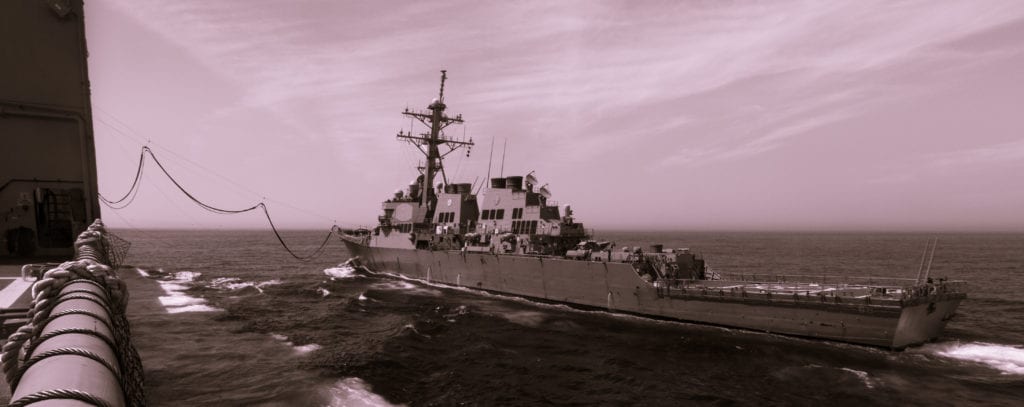
- Military Ships: Naval fleets rely on bunker fuels such as Bunker 5.
- Cargo Ships: Large commercial vessels use bunker fuels for long-distance shipping.
- Tankers and Industrial Marine Vessels: Heavy marine engines depend on bunker fuels for consistent power.
Their durability and high energy output make bunker fuels ideal for ships that travel long distances without frequent refueling.
The name comes from the storage “bunkers” on ships where heavy fuel oil is stored.
Bunker 5 is a heavy fuel oil used primarily by naval vessels due to its high energy content and long storage capability.
Because of their high viscosity, bunker fuels often need heating to flow properly through pipelines and engines.
Yes, although modern regulations are encouraging cleaner marine fuel alternatives.