


A blender pump is a device used in fuel distribution that blends the contents from two or more different storage tanks to create a single fuel blend product for distribution. You will find blender pumps at gas stations, fuel terminals, and fleet fueling sites. They are especially common in the gasoline refining industry where blends change to match seasons.
Why does this matter? Because different vehicles need different fuel blends. It lets the station offer several blends from just a few storage tanks. This saves space and money while giving customers more choices.
For facilities that handle multiple fuel types, loading racks and skids work alongside these pumps to move fuel from storage to vehicles.
How a Blender Pump Works
It takes fuel from two or more storage tanks and mixes them in precise ratios. Here is how it works:
- Fuel comes from different tanks (like gasoline and ethanol)
- The blender pump measures each fuel using meters
- A controller adjusts the ratio based on what the customer selects
- The fuels mix together inside the pump
- One blended fuel comes out through the hose
The driver simply pushes a button for E10, E15, or E85. The blender pump does the rest. The customer gets exactly the blend they want without the station needing a separate tank for every blend.
For accurate measurement during blending, top loading arms can be integrated with these pump systems at terminal loading racks.
Why Blender Pumps Are Important
The mixtures required for ethanol and biofuels have created a wide need for blender pumps. Here is why:
- Octane levels are different for each product
- Seasonal blends change between summer and winter
- Different vehicles need different ethanol percentages
- Biodiesel blends range from B2 to B20 and beyond
It solves all these problems with one piece of equipment. Instead of storing ten different blends in ten different tanks, you store two or three base fuels. They creates the blends on demand.
According to the Alternative Fuels Data Center, blending different amounts of alternative fuel with conventional fuel is one way to limit petroleum usage.
For fuel storage and handling, transloading skids help move base fuels to blender pump systems at distribution terminals.
Common Fuel Blends
A fuel blend is a mixture of two or more fuels. Here are the most common blends you will find from a blender pump:
Low-level ethanol blends
- E10 – 10% ethanol, 90% gasoline (most common gasoline in the US)
- E15 – 15% ethanol, 85% gasoline (for newer cars)
- E85 – 85% ethanol, 15% gasoline (flex fuel vehicles)
Low-level biodiesel blends
- B2 – 2% biodiesel, 98% diesel
- B5 – 5% biodiesel, 95% diesel
- B20 – 20% biodiesel, 80% diesel
- B100 – 100% biodiesel
Other fuel blends
- Hydrogen and CNG blends (like 20% hydrogen, 80% CNG)
- Premium and regular gasoline blends for mid-grade octane
Note: B20 and E85 are not considered low-level blends. They are higher concentration alternative fuels.
For facilities that blend renewable fuels, biomass and alternative energy operations rely on these pumps for accurate mixing.
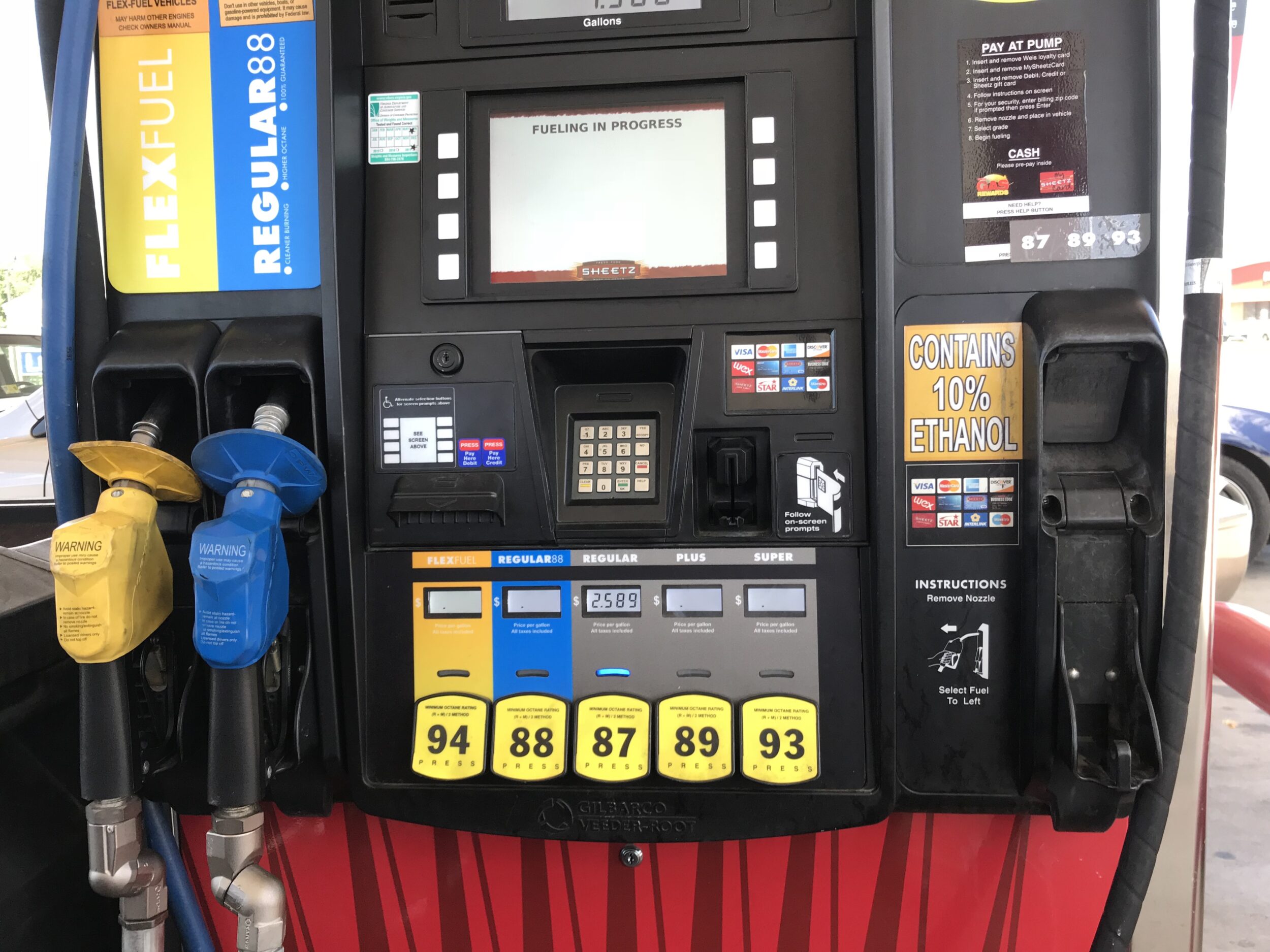
Where Blender Pumps Are Used
Blender pumps show up in many different places across the fuel industry:
- Retail gas stations offering multiple ethanol blends
- Fleet fueling depots for government and commercial vehicles
- Truck stops serving diesel and biodiesel blends
- Marine fueling docks for boats
- Airport fueling operations for aviation gasoline
- Remote sites where storage space is limited
In the downstream petroleum sector, blender pumps help terminals supply different blends from the same storage tanks. At elevated platforms, these pumps can be installed for truck and railcar loading. Bottom loading arms often work alongside blender pumps for efficient fuel delivery.
Benefits of Using Blender Pumps
Adding a blender pump to your fueling operation brings several benefits:
- Less storage tanks – You need fewer tanks because you blend on demand
- More customer choices – Drivers can pick the exact blend they want
- Lower inventory costs – You stock base fuels instead of every blend
- Seasonal flexibility – Change blends easily when seasons change
- Biofuel compatibility – Handle ethanol and biodiesel without extra equipment
- Space savings – One blender pump replaces multiple dedicated pumps
For the customer, it means they can choose E10 for their older car and E85 for their flex fuel vehicle at the same station.
For safety during fueling, overfill prevention systems work with blender pumps to stop flow when tanks reach capacity.
Limitations to Keep in Mind
They are useful, but they have some limitations:
- Higher upfront cost than standard pumps
- Need regular calibration to stay accurate
- Require trained technicians for maintenance
- Not all blends work with all vehicles
- Compatibility issues with some older fuel systems
Despite these limitations, blender pumps are becoming more common as the number of base biofuels increases. They will continue to get more sophisticated as the need to adjust octane levels for different types of vehicles grows.
For maintenance access, mobile platforms give technicians a safe way to reach blender pumps installed in tight spaces.
Pipe racks support the piping that connects storage tanks to blender pumps.
Safety Around Blender Pumps
Working with blender pumps means handling flammable liquids. Here are key safety measures:
- Use body harnesses when working at height on pump platforms
- Install swing gates around pump access areas
- Keep safety showers and eyewash stations nearby
- Use grounding and earthing systems to prevent static sparks
- Train workers on proper fueling procedures
It blends contents from two or more different storage tanks to create a single fuel blend product for distribution.
Common blends include E10 (10% ethanol), E85 (85% ethanol), B5 (5% biodiesel), and B20 (20% biodiesel).
They allow stations to offer multiple ethanol and biodiesel blends without storing every blend in separate tanks.
No, B20 (20% biodiesel) is not considered a low-level blend. B5 and B2 are low-level blends.