


Other 2-axle 4-tire vehicles is a formal classification define by the Federal Highway Administration (FHWA) for road vehicles that have two axles and four tires but are not passenger cars. This classification includes vans, pickup trucks, and sport utility vehicles (SUVs), as well as specialized vehicles such as campers, motor homes, ambulances, hearses, carryalls, and minibuses. These vehicles are commonly use for light commercial transport, emergency services, recreational travel, and personnel movement. Understanding this classification is important for fleet management, road usage statistics, and traffic monitoring.
For facilities that receive bulk deliveries, truck loading systems are designe to handle various vehicle types including Class 2 vehicles.
How FHWA Classification Works
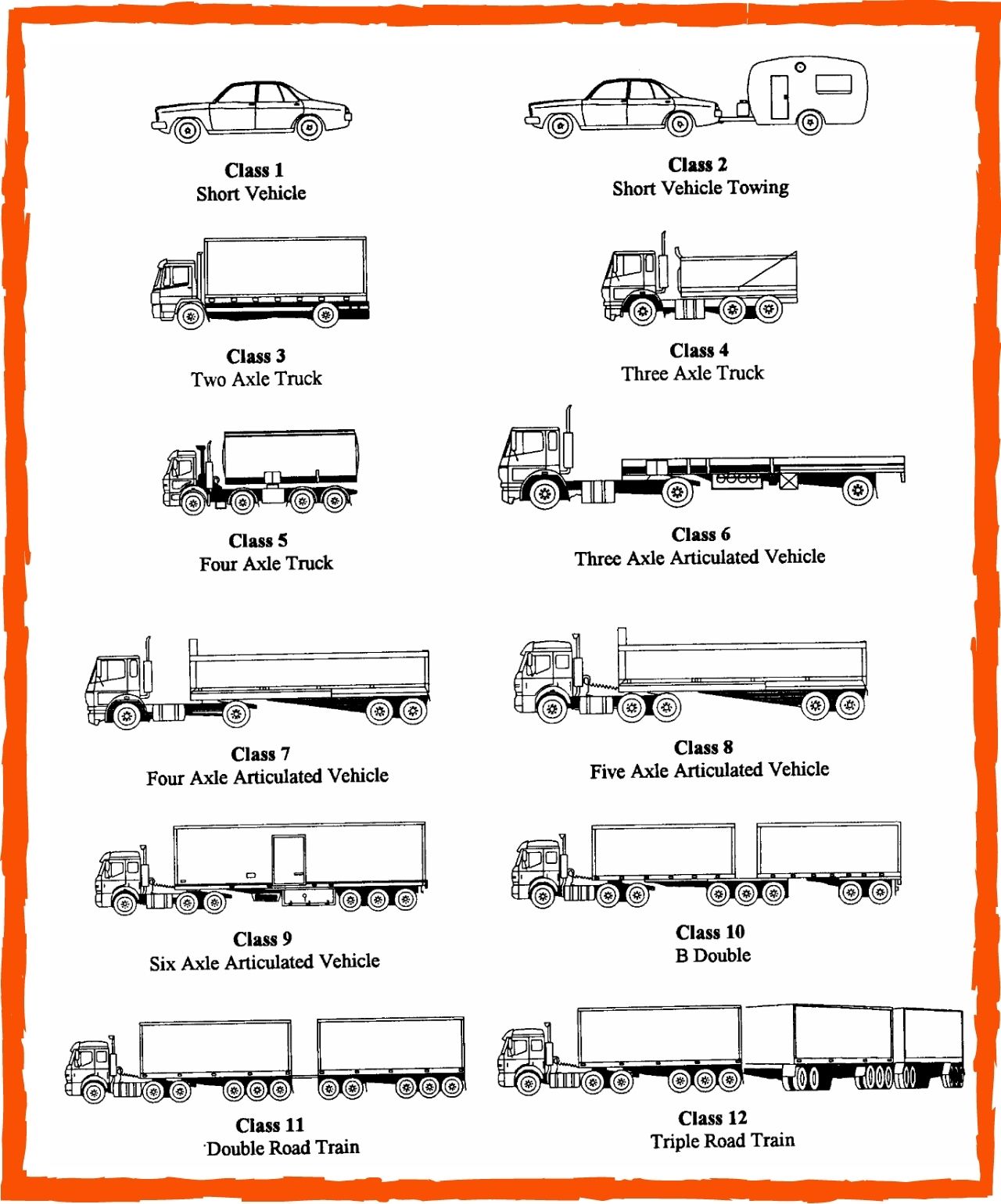
The Federal Highway Administration uses a twelve class vehicle classification system for traffic monitoring and road planning. Other 2-axle 4-tire vehicles fall under Class 2 in this system.
Complete FHWA Vehicle Classes (1-12) with Typical Examples:
| Class | Description | Typical Examples |
|---|---|---|
| Class 1 | Short Vehicle | Passenger cars, sedans, coupes, hatchbacks, convertibles |
| Class 2 | Short Vehicle Towing (other 2-axle 4-tire vehicles) | Pickup trucks, vans, SUVs, campers, motor homes, ambulances, hearses, carryalls, minibuses, vehicles pulling light trailers |
| Class 3 | Two Axle Truck | Box trucks, delivery trucks, light dump trucks, vehicles with dual rear wheels |
| Class 4 | Three Axle Truck | Larger straight trucks with tandem rear axles, heavy dump trucks, concrete mixers |
| Class 5 | Four Axle Truck | Heavy straight trucks with four axles, large dump trucks with lift axle |
| Class 6 | Three Axle Articulated Vehicle | Semi-truck with single axle tractor and single axle trailer |
| Class 7 | Four Axle Articulated Vehicle | Semi-truck with single axle tractor and tandem axle trailer, tank trucks |
| Class 8 | Five Axle Articulated Vehicle | Semi-truck with tandem axle tractor and tandem axle trailer, standard 18-wheeler, most fuel tankers |
| Class 9 | Six Axle Articulated Vehicle | Semi-truck with tandem axle tractor and triple axle trailer, heavy haulers |
| Class 10 | B Double | Two semi-trailers coupled together with two pivot points |
| Class 11 | Double Road Train | Double trailer combination common in Australia and rural areas |
| Class 12 | Triple Road Train | Three trailers coupled together, used in remote areas for bulk transport |
Class 2 definition per FHWA:
All two-axle, four-tire vehicles other than passenger cars. Included in this classification are pickups, panels, vans, and other vehicles such as campers, motor homes, ambulances, hearses, carryalls, and minibuses. Other two-axle, four-tire single-unit vehicles pulling recreational or other light trailers are also include in this classification.
Important technical note: Because automatic vehicle classifiers have difficulty distinguishing Class 3 from Class 2, these two classes may be combine into Class 2 for data collection purposes.
For bulk liquid transport, railcar loading systems handle much larger volumes than Class 2 vehicles typically carry.
Includes vans, pickup trucks, and sport utility vehicles.
Defined by the Federal Highway Administration:
Applications
Other 2-axle 4-tire vehicles serve diverse roles across commercial, municipal, and private sectors:
- Light commercial transport: Delivery vans, utility trucks, and service vehicles
- Emergency services: Ambulances and paramedic response units
- Recreational travel: Campers, motor homes, and SUVs pulling trailers
- Municipal operations: Minibuses for public transit, carryalls for maintenance crews
- Private use: Pickup trucks for towing, hauling, and personal transport
- Funeral services: Hearses for procession transport
At bulk terminals, transloading skids transfer products between different vehicle classes, including Class 2 vehicles. For smaller volume transfers, mobile platforms provide safe access for loading Class 2 vehicles.
Benefits and Importance of Classification
Key Benefits of FHWA Class 2 Designation:
- Standardized traffic data collection across all US highways
- Enables accurate road usage statistics for funding allocation
- Helps differentiate light vehicles from heavy commercial trucks
- Supports automatic vehicle classifier calibration
- Assists in infrastructure planning based on vehicle types
Importance:
Correctly identifying other 2-axle 4-tire vehicles matters for several reasons. Traffic monitoring systems use this classification to separate light vehicles (Class 1 and 2) from medium and heavy trucks (Class 3 through 12). This distinction affects road design standards, pavement wear calculations, and safety regulations.
Contrast with heavy tank trucks:
While Class 2 vehicles include pickup trucks and vans, bulk liquid transport is performe by much larger vehicles. The are classified as Heavy Duty Class 7 or Class 8 vehicles (Four Axle Articulated Vehicle or Five Axle Articulated Vehicle). Tank containers, which normally take loads of fossil fuel at bulk terminals and hold them in retail or other warehousing stations, are the most recognized means of delivering petroleum products. Tank trucks can carry fuel from 7,500 to 8,500 gallons—far exceeding the capacity of any Class 2 vehicle.
For heavy tank truck loading, loading arms handle high flow rates required for 7,500+ gallon transfers. Fall protection systems are essential when loading both Class 2 and Class 7-8 vehicles from top hatches.
Limitations:
- Class 2 vehicles are not designed for bulk liquid transport of hazardous materials
- Automatic classifiers may misidentify Class 2 and Class 3 vehicles, requiring manual validation
- Class 2 vehicles pulling trailers can be misclassified if the trailer adds additional axles
- These vehicles typically cannot access heavy truck loading racks designed for Class 7-8 tankers
For bulk terminal operators, spill containment systems protect against releases during loading of all vehicle classes. Grounding and monitoring systems prevent static discharge when fueling any vehicle, from Class 2 pickups to Class 12 road trains.
Other 2-axle 4-tire vehicles is the official FHWA classification (Class 2) for all two-axle, four-tire vehicles that are not passenger cars.
In short Class 2 vehicles have two axles and four tires total. Class 3 vehicles also have two axles but have six or more tires (typically dual rear wheels on light trucks).
Yes. According to FHWA, other two-axle, four-tire single-unit vehicles pulling recreational or other light trailers are included in Class 2 classification.
Class 2 vehicles (pickups, vans, SUVs) are not used for bulk petroleum delivery. Tank trucks are classified as Heavy Duty Class 7 to 8 vehicles and carry 7,500 to 8,500 gallons of fuel. At bulk terminals, loading platforms are designed for Class 7-8 tankers, not Class 2 vehicles.