


A bladder tank is a flexible storage container designed to sit inside a rigid outer tank. It acts as an inner lining that holds liquids securely, adding an extra layer of protection during storage and transport.
These tanks are commonly used when spill prevention and contamination control are critical.
How a Bladder Tank Works
its system typically consists of two parts:
- Inner flexible bladder – Holds the liquid
- Outer rigid tank – Provides structural support and secondary containment
If the inner bladder develops a leak or rupture, the outer tank acts as a backup barrier, helping prevent spills and environmental damage.
Why Bladder Tanks Are Important
They are widely used as a first line of defense against leaks and contamination.
They help:
- Reduce the risk of spillage
- Protect soil and groundwater from contamination
- Provide secondary containment for hazardous liquids
- Improve overall transport safety
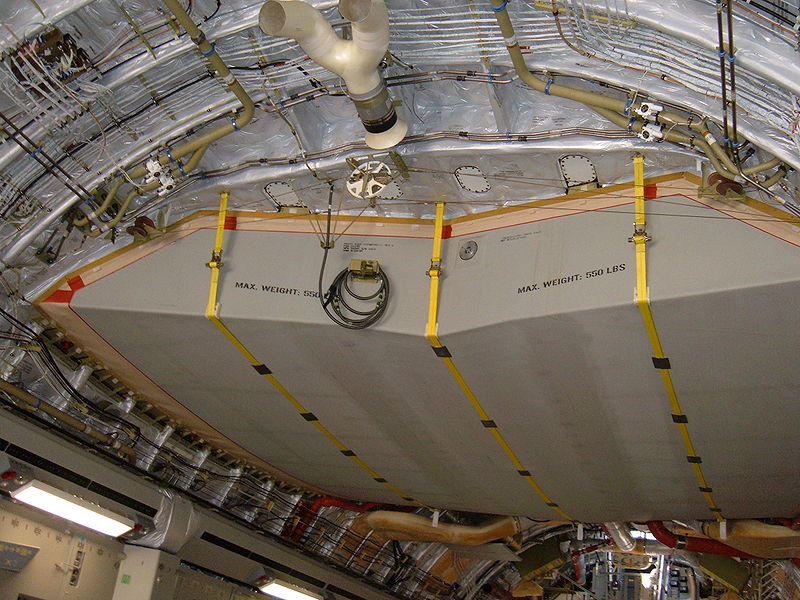
Common Uses
These are frequently used for transporting and storing:
- Petroleum products
- Fuels and oils
- Chemicals
- Other bulk liquids
They are suitable for use across multiple environments, including:
- Air transport
- Ground transport (trucks and rail)
- Marine transport (ships and offshore systems)
Key Benefits
- Enhanced safety through dual-layer protection
- Flexible design that fits inside rigid containers
- Reduced environmental risk in case of leaks
- Versatile use across different industries and transport modes
To provide safe storage and transport of liquids while reducing the risk of leaks and contamination.
The outer rigid tank contains the liquid, preventing it from spilling into the environment.
Industries like oil & gas, chemical processing, and logistics commonly use them.
Many are reusable, depending on the material and type of liquid stored.
It adds an extra layer of protection, making it safer than a single-wall tank.