


Asphaltic coating is a protective material derived from refined asphalt that was historically used to protect underground storage tanks from corrosion. It created a barrier between metal surfaces and surrounding soil, helping reduce damage caused by moisture, groundwater, and oxidation. Over time, its use has declined due to environmental concerns and the development of advanced protection systems.
How Asphaltic Coating Works
An asphaltic coating forms a thick protective layer on the surface of underground tanks. This layer helps block direct contact between metal and corrosive elements in the soil.
- Acting as a moisture barrier
- Reducing direct soil-to-metal contact
- Slowing down corrosion caused by oxidation
- Providing temporary protection in underground environments
In earlier systems, asphaltic coating was often used alongside cathodic protection for improved tank durability.
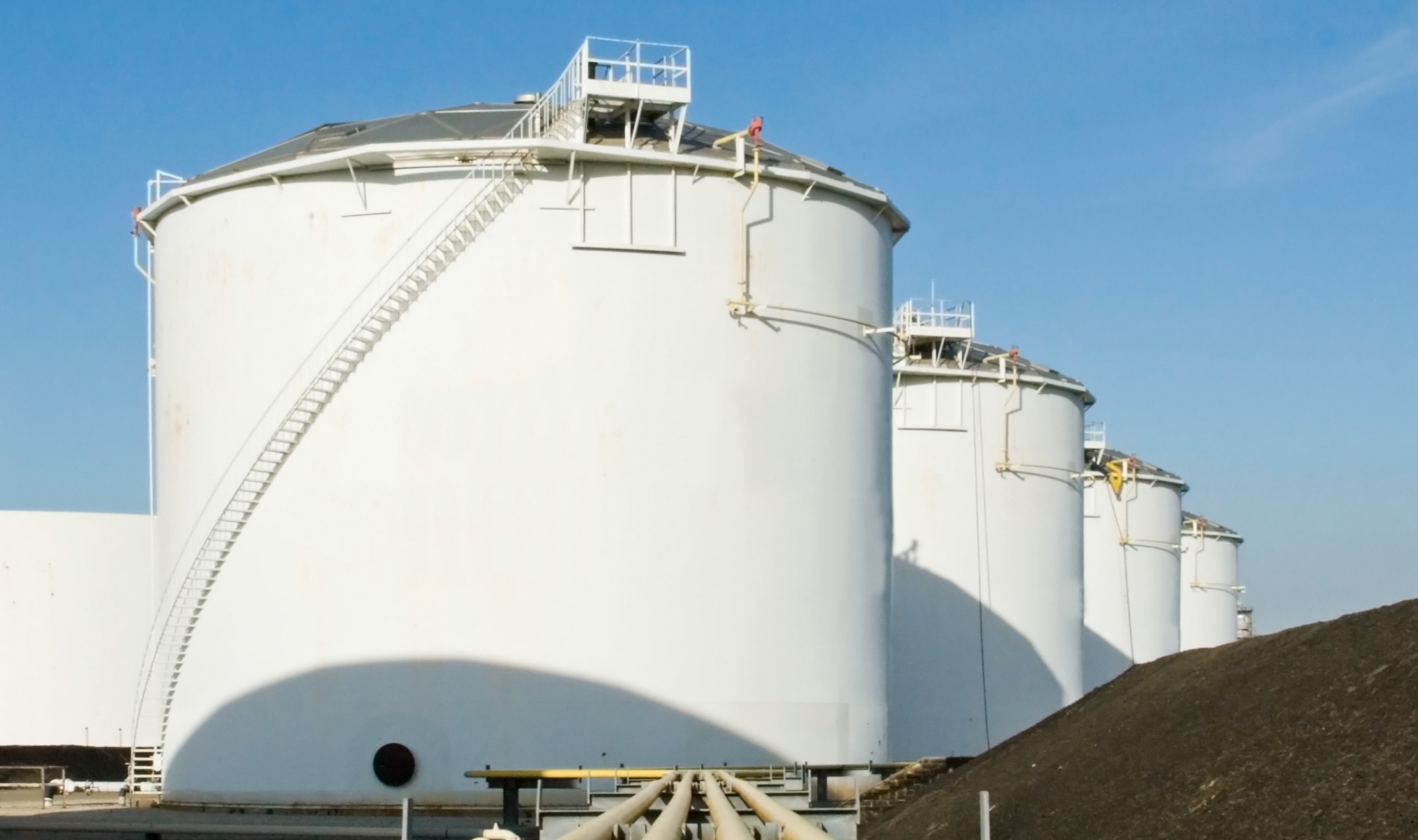
Applications
- Underground fuel storage tanks
- Industrial liquid storage systems
- Corrosion protection systems in older facilities
- Combined systems with cathodic protection methods
These applications made with a standard solution before modern technologies replaced it.
Limitations and Environmental Concerns
Although there is widely used, it was later found to have environmental drawbacks. Regulatory agencies, including the EPA, identified concerns related to its long-term environmental impact.
- It is no longer used in modern tank protection
- Older systems may require soil remediation
- Safer alternatives have replaced it in industry standards
Modern Alternatives
- Better long-term corrosion resistance
- Environmentally safer performance
- Reduced maintenance requirements
- Improved compliance with safety regulations
Importance of Tank Protection
- Prevent leaks and contamination
- Extend tank lifespan
- Protect soil and groundwater
- Ensure operational safety
It was use to protect underground storage tanks from corrosion caused by soil and moisture.
No, it has been replace by modern cathodic protection systems due to environmental concerns.
Environmental regulations identified it as unsafe for long-term use in underground applications.
Cathodic protection systems are now the standard method for corrosion prevention.