


An anticipated operational occurrence or event (AOE) is an unexpected but expected situation that may happen during the normal operation of an industrial facility. These events are typically minor, such as small spills, leaks, or fires, but still require proper planning and response procedures.
By identifying these potential occurrences ahead of time, facilities can create emergency response plans to minimize damage, maintain safety, and reduce operational downtime.
Examples of Anticipated Operational Occurrences
- Small chemical or fuel spills
- Minor equipment leaks
- Small fires or flare-ups
- Low-level system malfunctions
Facilities must plan for these scenarios by implementing emergency spill response procedures and routine safety checks.
Planning and Safety Measures
To manage anticipated operational events effectively:
- Develop an emergency response plan – identify hazards, assign responsibilities, and provide necessary safety equipment.
- Train employees – ensure staff know how to react to minor spills or leaks safely.
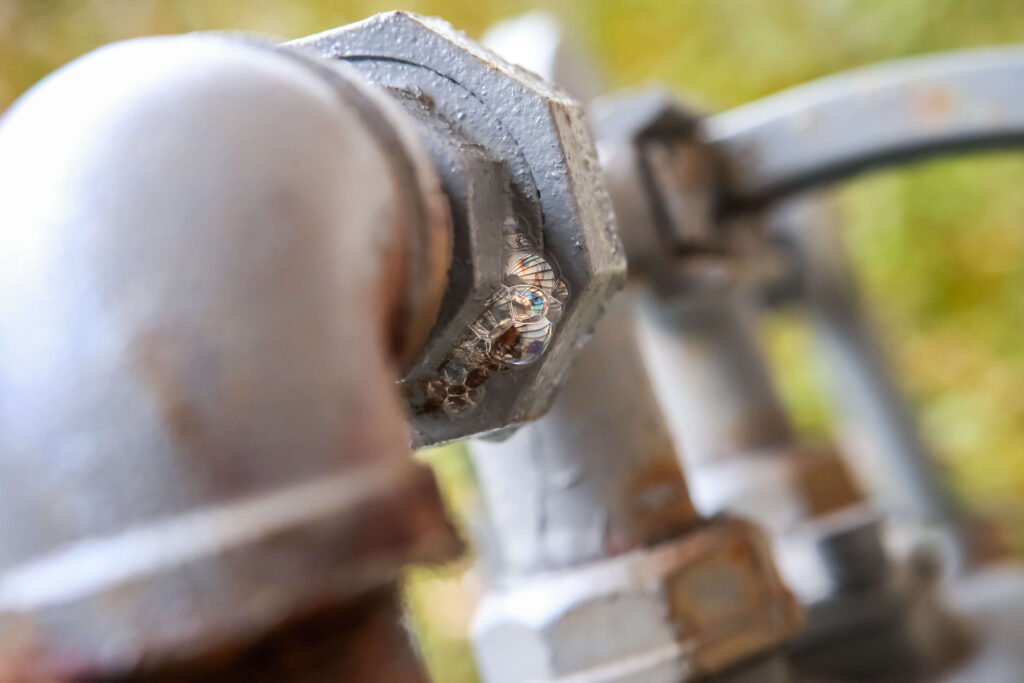
- Install monitoring systems – tools like sensors, alarms, or air soap tests can detect leaks early.
- Regular maintenance – keep equipment in optimal condition to prevent minor malfunctions from escalating.
Air Soap Test: This is a simple method using soap bubbles to detect leaks in equipment or pipelines.
Why It Matters
Even though these events are minor, they can:
- Disrupt operations if not managed
- Cause small-scale environmental impacts
- Increase the risk of injury if employees are unprepared
Being proactive ensures safety, compliance with regulations, and operational efficiency.
It’s a minor abnormal event expected to happen during facility operations, such as small spills, leaks, or fires.
Facilities create emergency response plans, train employees, and use monitoring systems to detect issues early.
An Air Soap Test uses soap bubbles to locate leaks in pipes, valves, or equipment.
Even minor events can disrupt operations, cause injuries, or harm the environment if not properly managed.