


Air soap testing is a leak detection method conducted on storage tanks and their pipelines before the container is set permanently or to maintain road tanker safety. This test is the best chance to determine if welds, joints, and the tank itself have any leaks before everything is set underground. The Environmental Protection Agency will only certify a tank when it has no leaks. How does it work? The tank is filled with water that is infused with soap. The fuel tank is then pressurized. A careful inspection of all the weld points and pipe joints is conducted. Testers look for bubbles that appear where any hole exists. Air soap testing reveals leaks that could cause product loss and environmental damage. For facilities that store hazardous materials, bulk chemical plants rely on air soap testing to certify their storage tanks before operation.
How Air Soap Testing Works
They follows a simple but effective process. Here is how it works:
- The tank or pipeline is filled with water mixed with soap
- The container is pressurized with air
- Inspectors walk around all welds, joints, and seams
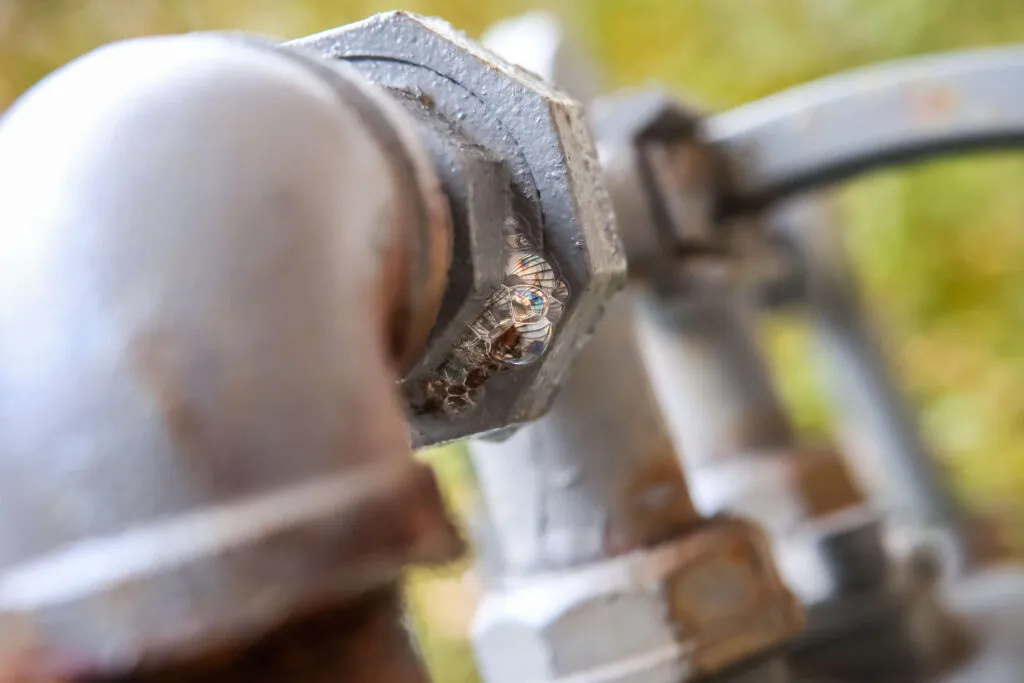
- They look for bubbles forming on the surface
- Bubbles indicate a leak location
- Each leak is marked for repair
The soap mixture creates bubbles when air escapes through a hole. Even very small leaks produce bubbles. This makes air soap testing extremely sensitive and reliable. For accurate testing conditions, metering systems help control the pressurization process during air soap testing.
Why Air Soap Testing Is Important
They serves a critical role in tank safety. Here is why it matters:
- Detects leaks before tanks are buried underground
- Identifies micro-fissures in welds
- Finds pinhole leaks in tank bodies
- Prevents product loss from storage
- Protects soil and groundwater from contamination
- Required for EPA certification
- Ensures road tanker safety
Leakage in storage tanks can cause loss of product and environmental damage. it reveals these leaks before they become problems. Inspectors view the weld spots and the main body of the container. They are looking for micro-fissures that would be revealed by the bubbling of the pressurized air soap mixture. For petroleum refineries, it is standard procedure before commissioning new storage tanks.
The Air Soap Testing Process Step by Step
Here is the complete process from start to finish:
Preparation
- Clean the tank or pipeline thoroughly
- Close all valves and fittings
- Prepare soap solution mixed with water
Filling
- Fill the container with soap-infused water
- Leave a small air space at the top
Pressurization
- Apply air pressure to the container
- Pressure is typically 5 to 10 PSI above operating pressure
Inspection
- Trained inspectors examine every weld and joint
- They look for bubble formation
- Each bubble location is marke
Documentation
- Marked leaks photographed and recorded
- Locations noted on drawings
Repair and Retest
- Tank is draine
- Leaks are repaire by welding or other methods
- Air soap testing is repeate to verify repairs
If leaks found they marke and then repaire after the tank is draine. For safe access during tank inspection, work platforms provide stable footing for air soap testing personnel.
Where Air Soap Testing Is Use
It is use across many industries and applications:
- New storage tank certification
- Existing tank recertification
- Pipeline installation verification
- Road tanker safety inspections
- Railcar tank testing
- Pressure vessel testing
- Welded joint quality control
- Repair verification
In the oil and gas industry, air soap testing is require before new tanks receive product. Chemical processing facilities use to certify tanks holding hazardous materials.
Air Soap Testing vs Other Leak Detection Methods
It is one of several leak detection methods. Here is how it compares:
| Method | How It Works | Best For |
|---|---|---|
| Air soap testing | Pressurized soap water creates bubbles | Small leaks, welds, joints |
| Hydrostatic testing | Water pressure only | Strength testing |
| Vacuum testing | Negative pressure pulls air in | Tanks that cannot be pressurized |
| Helium testing | Helium gas with sniffer probe | Very small leaks |
| Ultrasonic testing | Sound waves detect escaping gas | Continuous monitoring |
It remains popular because it is simple, cheap, and reliable. The bubbles are easy to see and pinpoint exactly. For rail tank cars, railcar loading systems often require of hoses and connections before each use.
Benefits of Air Soap Testing
Using brings several important benefits:
- Very low cost compared to electronic methods
- No special equipment needed beyond a compressor
- Visual results are easy to understand
- Pinpoints exact leak location
- Works on any shape or size container
- Safe for most materials
- Accepted by EPA and other regulators
The Environmental Protection Agency will only certify a tank when it has no leaks. It provides the proof needed for certification. For environmental protection, spill containment systems work alongside to prevent releases from storage tanks. Railcar track pans provide secondary containment for tanks that have passed air soap testing.
Limitations to Keep in Mind
They have some limitations. Here are a few to know:
- Only works on containers that can be pressurize
- Soap residue must be cleane after testing
- Not suitable for very large tanks (water weight becomes an issue)
- Requires draining and drying after testing
- Does not work for gases that dissolve in water
- Cannot find leaks in double-walled tanks
Despite these limitations, air soap testing remains the go-to method for many applications. It is simple, effective, and trusted. For worker safety during testing, fall protection systems protect inspectors performing at height. Safety gates provide secure access to tank platforms during air soap testing.
Safety:
They involves pressurized containers. Here are key safety measures:
- Never exceed the tank’s rated pressure
- Use pressure relief valves on the air supply
- Wear eye protection against soap spray
- Ensure proper ventilation in confined spaces
- Have emergency equipment nearby
- Train all personnel on the procedure
It is a leak detection method that uses pressurized soap-infused water to find leaks in tanks and pipelines by looking for bubbles.
The Environmental Protection Agency requires leak-free certification for storage tanks, and proves there are no leaks.
Inspectors look for bubbles forming at welds, joints, and on the tank body, which indicate air escaping through a leak.
Leaks marked, the tank is draine, repairs made, and the tank is reteste until no leaks remain.