


An air eliminator is a small but vital component installed in fuel and liquid transfer systems. You will often find them in places like renewable diesel loading operations, pipelines, and loading racks. Their main job is simple: remove trapped air from hoses, pipes, and tanks before the liquid flows through.
Why does this matter? Because oxygen causes problems. When air gets into a transfer system, it throws off your meters, damages your equipment, and creates safety hazards. Its solves these problems by venting the air out before the liquid reaches the meter or enters the storage tank.
For facilities that handle large volumes of fuel, truck loading systems rely on air eliminators to keep their operations accurate and safe.
How Air Eliminators Work
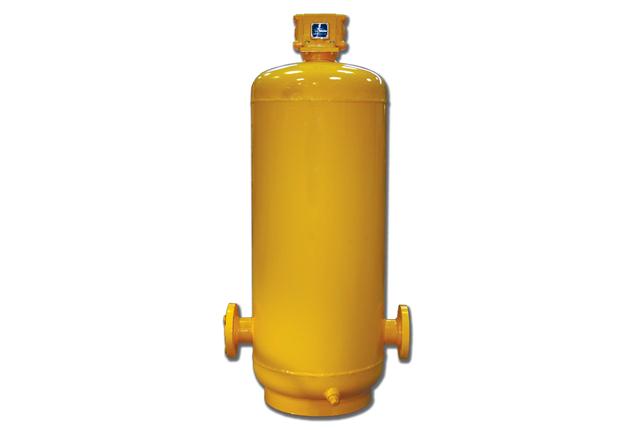
It is typically installed just before the metering system in a transfer line. It works like a small separation chamber. Here is what happens inside:
- As liquid flows through the pipe, trapped air bubbles rise to the top of the chamber
- The liquid is heavier than the air, so it settles at the bottom
- The air collects at the top of the chamber
- A small float or sensor detects when enough air has built up
- A vent valve opens just enough to let the air escape
- Once the air is gone, the valve closes again
This whole process happens automatically. The operator does not have to do anything. its just keeps working in the background, making sure only liquid reaches the meter. For accurate measurement of fuels and chemicals, metering systems depend on air eliminators to remove false readings caused by trapped air.
Why Air in the System Is a Problem
You might wonder why a little air matters. Here are three big reasons:
First, metering becomes inaccurate.
- When air bubbles pass through a flow meter, the meter thinks the air is liquid
- It counts the air as product, which means you overcharge your customer or undercount your inventory
- Neither is good for business
Second, oxidation damages your equipment.
- Oxygen inside a tank or pipe causes metal to rust
- Over time, this weakens your storage tanks, hoses, and fittings
- Rust flakes can also break loose and contaminate the product
Third, air creates safety hazards.
- In fuel systems, oxygen mixed with vapor can create flammable conditions
- Vented properly through an air eliminator, the risk drops significantly
To protect your equipment from rust and corrosion, spill containment systems work alongside air eliminators to keep your facility clean and safe.
Where Air Eliminators Are Used
Its show up in many different industries and applications. Here are some of the most common:
- Oil and gas pipelines: remove trapped air before product reaches custody transfer meters
- Bulk chemical plants: protect sensitive chemical processes from air contamination
- Petroleum refineries: standard equipment on loading racks for accurate measurement
- Power generation facilities: keep fuel oil systems free from air pockets
- Pharmaceutical manufacturing: prevent air from getting into sterile transfer lines
- Food and beverage processing: remove air from syrup, edible oils, and liquid ingredients
- Renewable diesel loading operations: ensure accurate biofuel transfers
- Railcar loading systems: keep meters accurate when filling tank cars
For marine fuel transfers, marine gangways provide safe access to vessel connections where air eliminators are installed.
Benefits of Using Air Eliminators
Adding to your transfer system brings several important benefits:
- Accurate metering: This is the number one reason to use an air eliminator. When air is removed before the meter, your readings are true. You bill correctly and inventory correctly with no arguments from suppliers or customers.
- Reduced oxidation: By removing air from the system, its slows down rust and corrosion. Your tanks, pipes, and hoses last longer, and you spend less on replacements and repairs.
- Better product quality: Air can contaminate some liquids. It can cause foaming, spoilage, or chemical reactions. it keeps your product pure from the storage tank to the delivery point.
- Safer operations: In fuel systems, removing air reduces the chance of flammable vapor pockets. It also prevents sudden surges when trapped air releases unexpectedly.
For static electricity control during fuel transfers, grounding and monitoring systems work together with air eliminators to create a complete safety package.
Breakaway couplings add emergency disconnect protection alongside your air eliminator.
Limitations to Keep in Mind
The are very useful, but they are not perfect. Here are a few things to know:
- Regular maintenance is required: The float and vent valve can get stuck if the liquid is dirty or sticky. You should inspect and clean your air eliminator on a regular schedule.
- They do not remove dissolved air: An air eliminator only removes large bubbles and pockets of free air. Air that is actually dissolved in the liquid will stay there.
- They add pressure drop: Every component in a pipe creates some resistance. An air eliminator is no different. You need to account for this when designing your pump system.
- Not all are fireproof: Standard air eliminators are fine for diesel and other high-flash fuels. But for gasoline or other flammable liquids, you need a specially designed unit.
To prevent overfills during high-speed loading, overfill protection systems add another layer of safety alongside your air eliminator. Swivel joints help position loading arms precisely while your air eliminator removes trapped air.
Air Eliminators vs Strainers
Sometimes people confuse air eliminators with strainers. They are different:
| Feature | Air Eliminator | Strainer |
|---|---|---|
| What it removes | Air bubbles and gas pockets | Solid dirt, rust, and debris |
| How it works | Float and vent valve | Screen or mesh |
| Why you need it | Metering accuracy and oxidation prevention | Equipment protection from solids |
Some manufacturers make combination units that do both jobs. But most of the time, they separate components installed near each other on the pipe. For removing solid particles from fuel, loading arms often include built-in strainers that work alongside air eliminators. Loading platforms give operators safe access to inspect and maintain both air eliminators and strainers.
Its removes trapped air bubbles from the fuel before the fuel reaches the meter. This keeps your metering accurate and prevents air from causing oxidation inside your storage tanks and pipes.
It makes your meters read incorrectly because the meter counts air as product. Oxygen causes rust and oxidation inside your metal tanks and pipes.
An air eliminator should be installed just before the meter in your transfer line. This way, the liquid has already passed through the air eliminator before it reaches the meter.
You should inspect your air eliminator regularly for stuck floats or dirty vent valves. If you are transferring dirty or sticky liquids, you may need to clean it more often.