


Flatbed trailer types are essential in the transportation industry for moving oversized, heavy, and irregularly shaped cargo. These trailers come in various designs, each built to handle specific load sizes, weights, and height requirements.
In industrial environments, systems like truck loading solutions and safe access equipment such as rolling work platforms are used alongside flatbed trailers to ensure safe loading, unloading, and maintenance operations. Choosing the right flatbed trailer types is critical for safety, compliance, and cost efficiency.
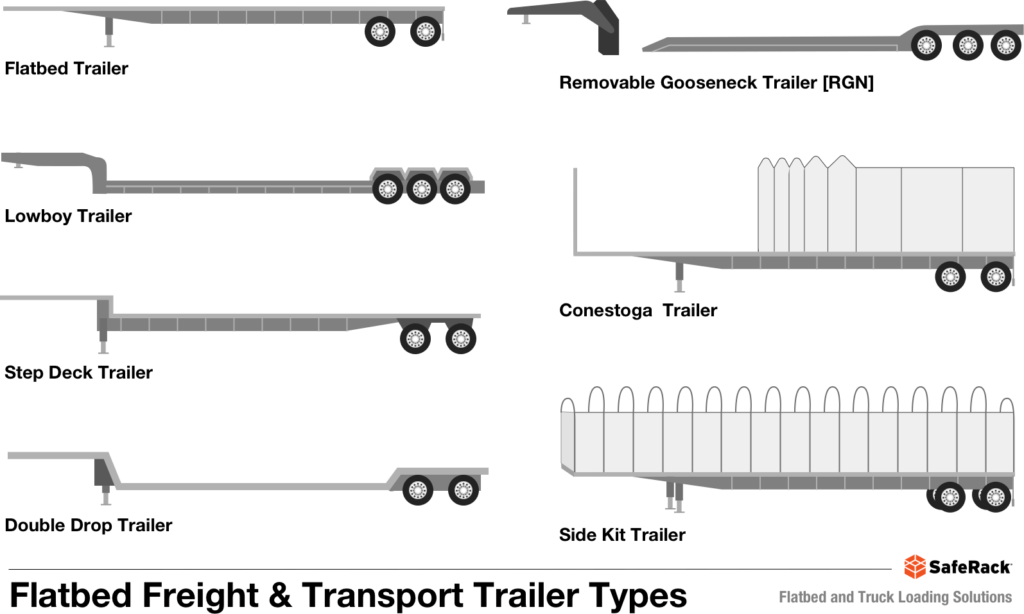
Some of the most common types of flatbed trailers and specialized trucking trailers include:
- Flatbed Trailer
- Lowboy Trailer
- Step Deck Trailer
- Stretch Double Drop Trailer
- Log Trailer
- Removable Gooseneck Trailers (RGN)
- Conestoga Trailer
- Side kit Trailer
It is essential to note the maximum legal load weight of the cargo as well as the dimensions of a particular type for proper and accurate flatbed & specialized trucking rates.
Each flatbed trailer is different from the other types, and it is essential to note the maximum legal load weight of each. While most of the trailers mentioned in this article are capable of handling loads that exceed the legal dimensions and weights for safety, some states will require a permit and/or have premium charges that will need to be obtained before a shipment can be transported.
Common Flatbed Trailer Types
Different flatbed trailer types are designed to meet specific transportation needs.
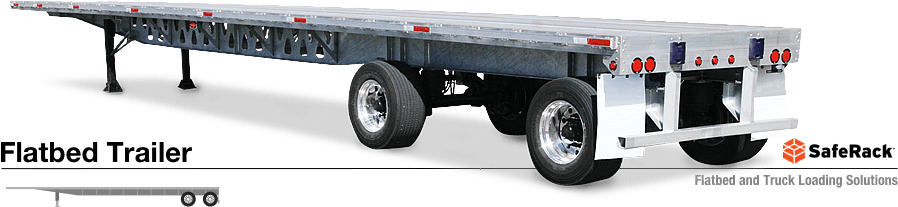
Flatbed Trailer
- Most common and versatile trailer
- Open design allows loading from all sides
- Used for general freight transport
Key Details:
- Max load: ~48,000 lbs
- Ideal for construction materials, machinery, and equipment
Lowboy Trailer
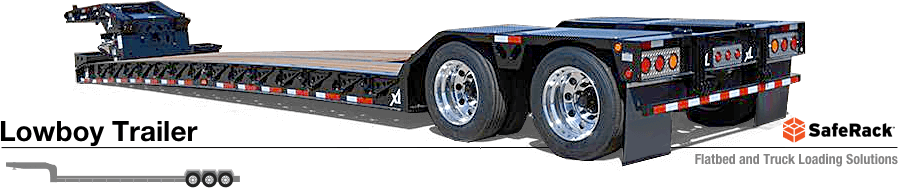
- Designed with a low deck height
- Used for transporting tall equipment
Key Details:
- Max load: ~40,000 lbs (can increase with more axles)
- Suitable for heavy machinery and oversized loads
Step Deck Trailer (Drop Deck)
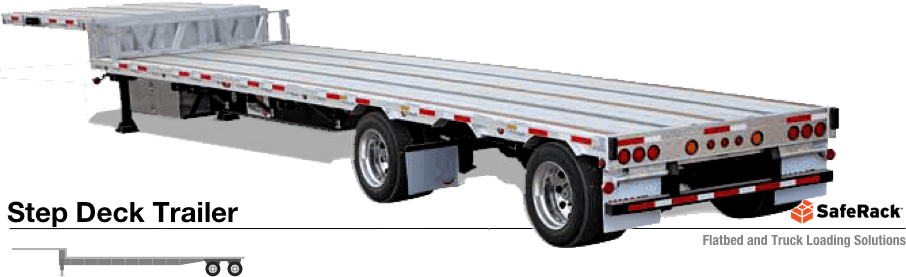
- Features upper and lower deck levels
- Used when cargo exceeds height limits for standard flatbeds
Key Details:
- Max load: ~48,000 lbs
- Ideal for taller freight
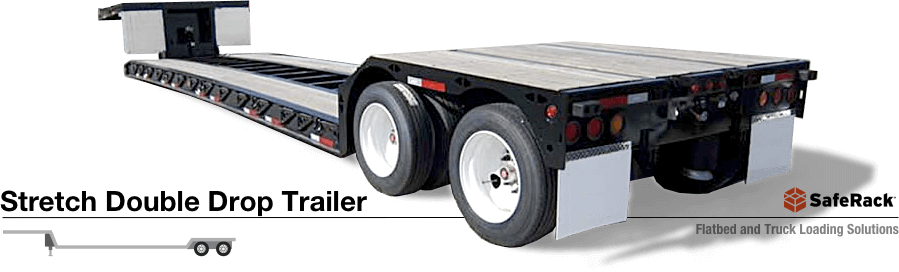
Stretch Double Drop Trailer
- Extended length for oversized cargo
- Lower middle deck (“well”) for tall loads
Key Details:
- Max load: ~45,000 lbs
- Used for extremely long and tall freight
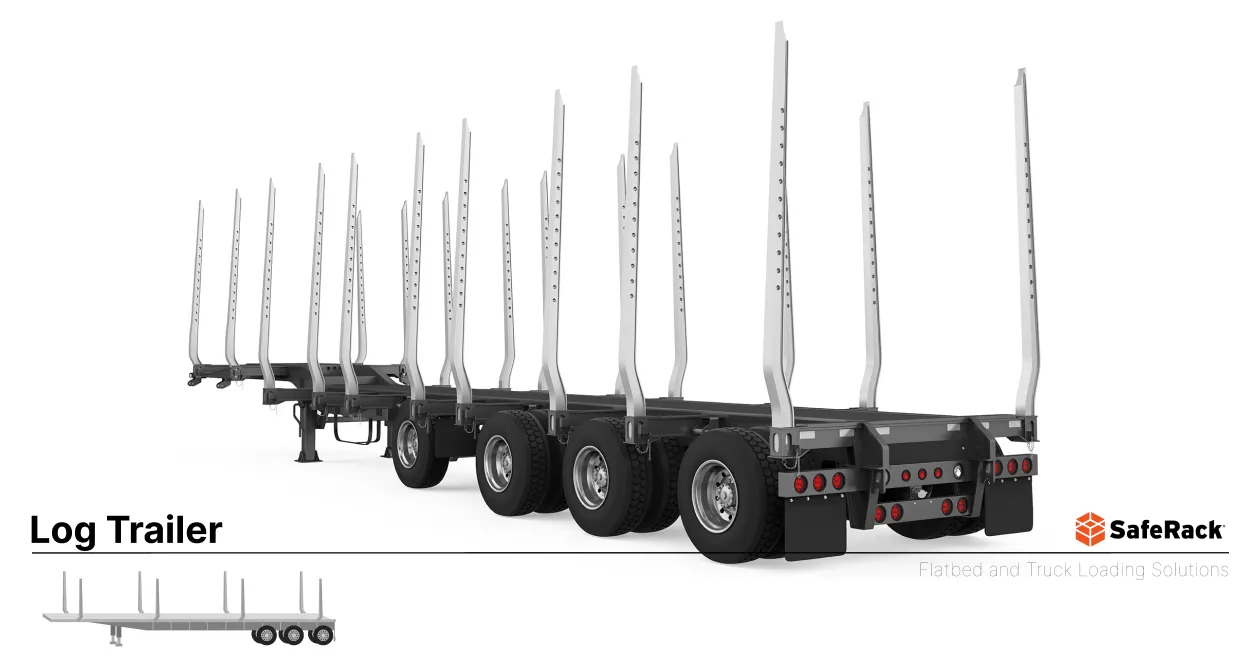
Log Trailer
- Designed for transporting logs and timber
- Equipped with side stakes or bunks
Key Features:
- Lightweight frame for higher payload
- Length: typically 40–53 feet
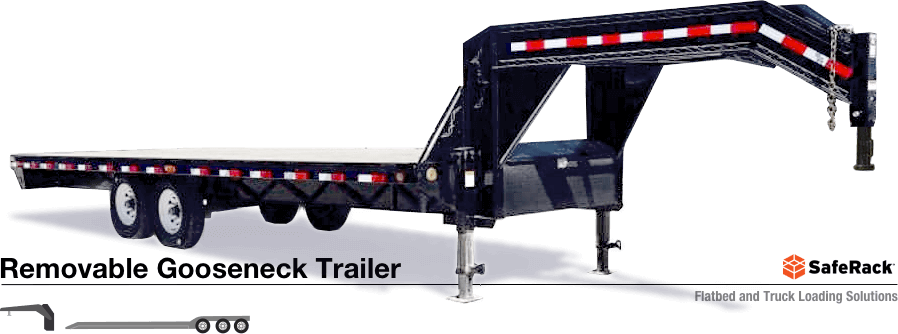
Removable Gooseneck Trailer (RGN)
- Detachable front creates a ramp
- Allows equipment to be driven onto the trailer
Key Details:
- Max load: ~42,000 lbs (higher with multiple axles)
- Can handle extremely heavy loads
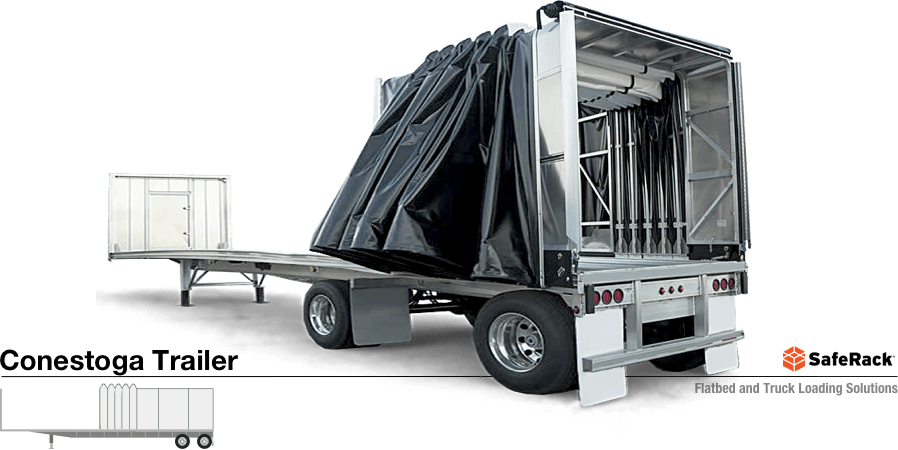
Conestoga Trailer
- Flatbed with a rolling tarp system
- Provides weather protection for cargo
Key Details:
- Max load: 42,000–45,000 lbs
- Ideal for fragile or high-value freight
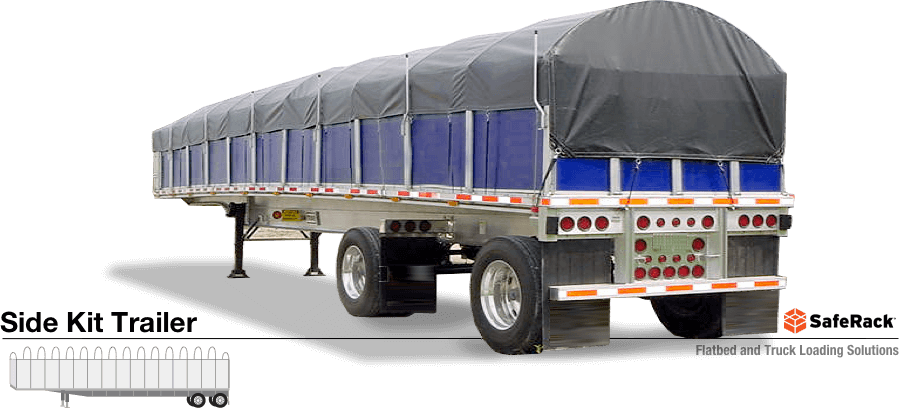
Side Kit Trailer
- Equipped with removable side panels
- Used for loose or bulk materials
Key Details:
- Max load: 42,000–45,000 lbs
- Common for agricultural and construction materials
Applications
Flatbed trailer types are widely used in:
- Construction and heavy equipment transport
- Oil and gas industries
- Agriculture and timber transport
- Manufacturing and industrial logistics
- Oversized and specialized freight hauling
These operations often require safe access solutions like gangways and loading platforms to ensure worker safety.
Safety and Loading Systems
Handling flatbed trailer types requires proper safety systems to protect workers during loading and unloading.
- Use fall protection systems to prevent injuries
- Ensure stable access to elevated work areas
- Maintain proper load securing practices
- Follow OSHA safety guidelines
Facilities improve safety using flatbed fall protection systems and safety gates to control access and reduce risks.
Benefits and Importance
Using the right flatbed trailer types provides:
- Flexibility for different cargo types
- Efficient loading and unloading
- Ability to transport oversized freight
- Improved safety and compliance
- Reduced transportation costs
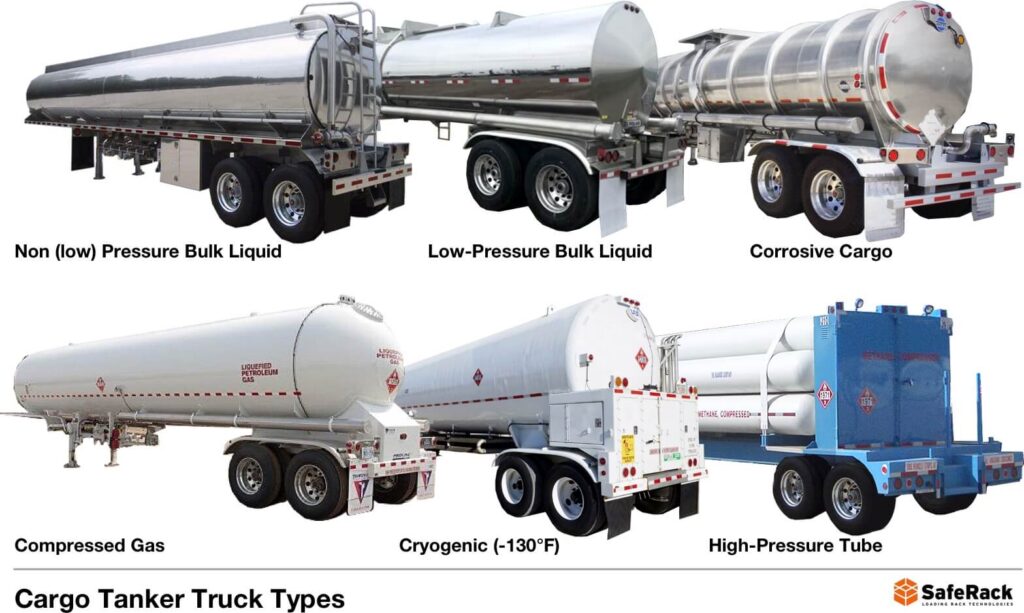
Truck Tanker Types
Fuel transport safety is a major concern for any company that moves and distributes fuel. Various cargoes require different types of tankers to safely transport them over the road within the Department of Transportation’s requirements. Fuel transport systems, depots, chemical, and gas transport companies need safe and reliable tankers to hold that material.
They are different trailer designs used to transport various types of freight, especially oversized or heavy loads.
The standard flatbed trailer is the most widely used due to its versatility.
It is used for transporting taller cargo that exceeds height limits of standard flatbeds.
They allow safe transport of oversized, heavy, or irregularly shaped loads.