


An uninterruptible power supply (UPS) is a system designed to deliver instant, uninterrupted electrical power when the primary power source fails. Unlike generators that require startup time, a UPS provides immediate backup with no delay, voltage drop, or power fluctuation, helping protect critical systems from sudden shutdowns.
According to the Department of Energy, a UPS may use batteries or continuously operating generators and can be classified as either standby or emergency power, depending on the application. Emergency installations must comply with specific regulatory and safety requirements.
Role of Backup Power in Industrial Operations
Backup power systems play a critical role in maintaining operations during outages. In industrial and commercial environments, a loss of power can lead to equipment damage, data loss, safety risks, and costly downtime. UPS systems are often paired with backup generators to ensure both immediate power continuity and long-duration support.
A generator provides sustained emergency power, while the UPS bridges the gap between normal power loss and generator startup. Together, they create a reliable power continuity strategy for critical facilities.
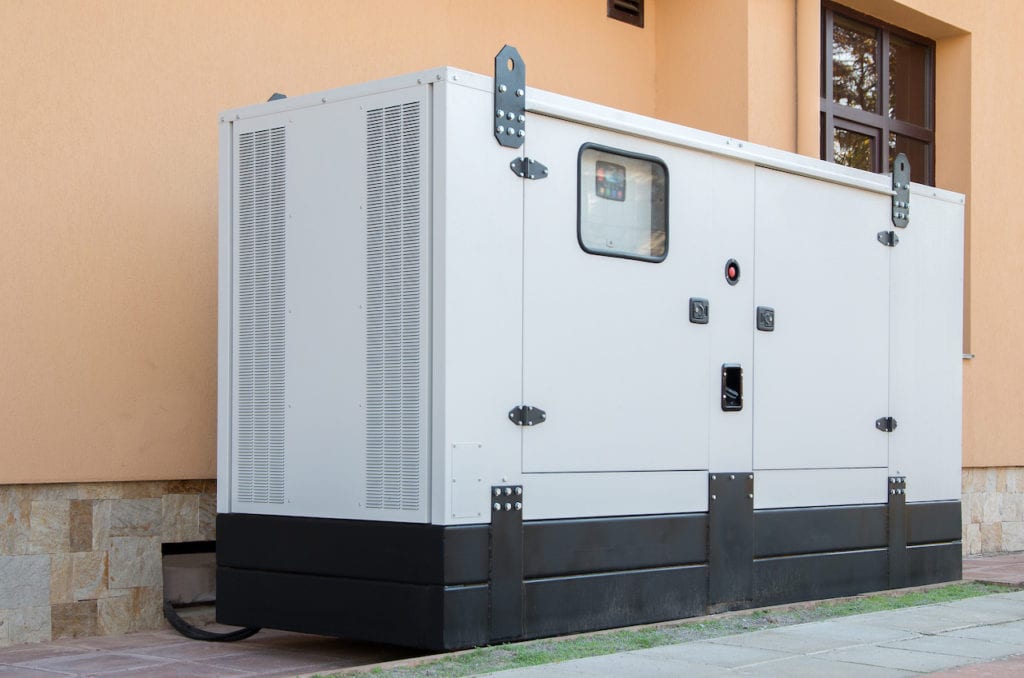
Generator Maintenance and Reliability
Generators can deliver years of dependable service, but only when they are maintained according to established preventive maintenance and total productive maintenance (TPM) procedures. Regular inspections and servicing reduce the risk of failure during an emergency.
Key generator maintenance checks typically include:
- Air filter inspection
- Oil changes at recommended intervals
- Fuel level verification
- Cooling system inspection
- Belt and hose condition checks
- Battery testing
- Replacement of worn or damaged components
Routine maintenance ensures emergency power systems perform as expected and helps avoid unplanned shutdowns that can disrupt operations.
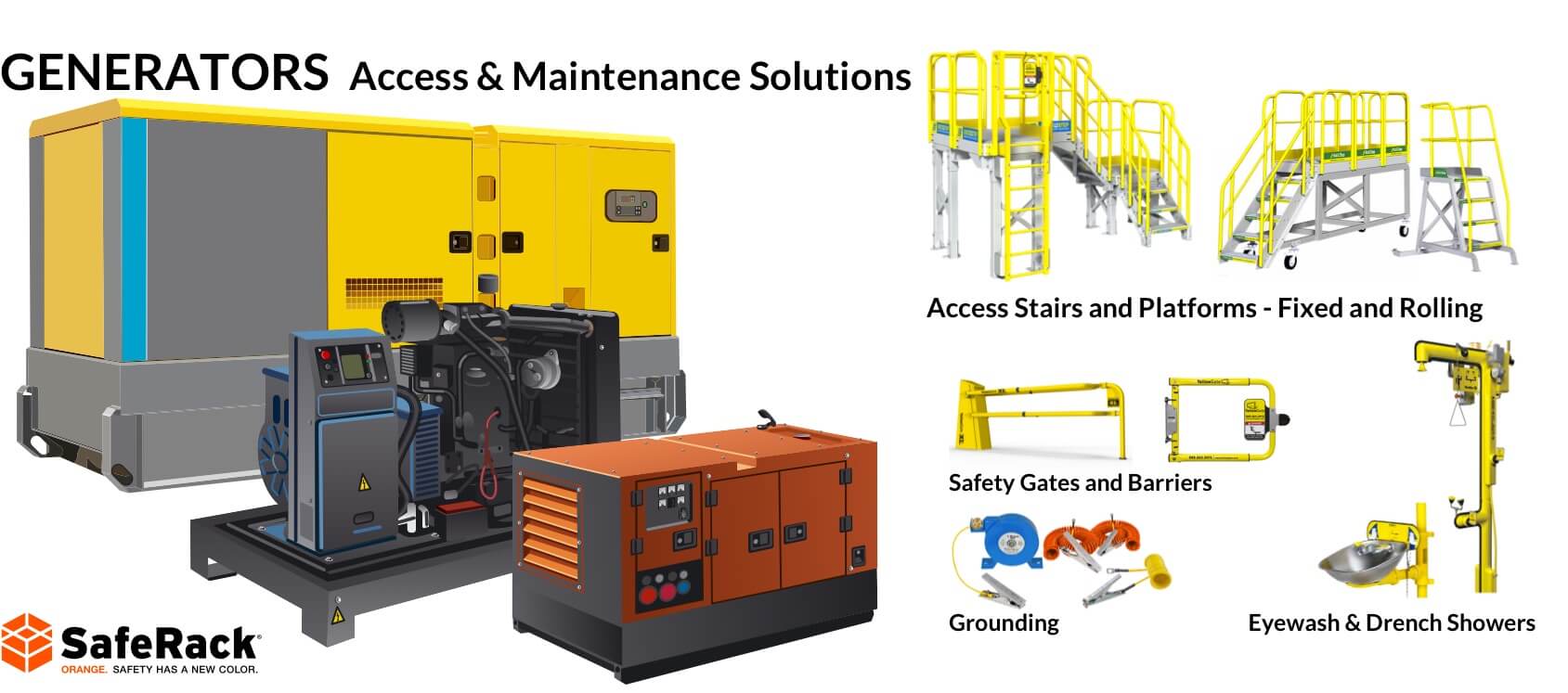
Generator Access and Maintenance
A UPS provides immediate backup power during a power interruption, preventing sudden shutdowns and protecting sensitive equipment until normal power or generator power is available.
A UPS delivers instant power with no delay, while a generator supplies long-term backup power but requires startup time. They are often used together for full power continuity.
In many critical applications, a UPS is required to meet emergency power standards, especially where even a brief loss of power could cause safety or operational issues.
Maintenance schedules vary by manufacturer and usage, but routine inspections and servicing should be performed regularly to ensure reliability during outages.
Technicians often need to reach elevated components on generators and electrical systems. Proper access equipment reduces fall hazards and supports safer, more efficient maintenance.