


A qualified person is an individual who has the necessary experience, training, or knowledge to perform a specific task safely and understand the hazards associated with it. In safety management and industrial environments, this term is commonly used to describe someone capable of evaluating risks and making informed decisions related to workplace operations.
According to safety guidelines such as those from the National Incident Management System (NIMS), this designation applies to individuals who are familiar with the work being performed and the potential dangers involved.
Role in Workplace Safety
In many industries, certain tasks must be carried out by individuals who have the proper skills or certifications. A trained professional can recognize hazards, follow safety procedures, and ensure that work is completed according to regulations.
Organizations rely on properly trained personnel to maintain safe working conditions and prevent accidents in complex or high-risk environments.
Responsibilities of a Qualified Individual
A trained and experienced worker responsible for specialized tasks may be expected to:
- Understand operational procedures and potential hazards
- Follow established safety standards and regulations
- Evaluate risks before work begins
- Assist in identifying corrective actions after incidents
- Work with supervisors or safety authorities to improve safety practices
These responsibilities help ensure that workplace operations are performed safely and efficiently.
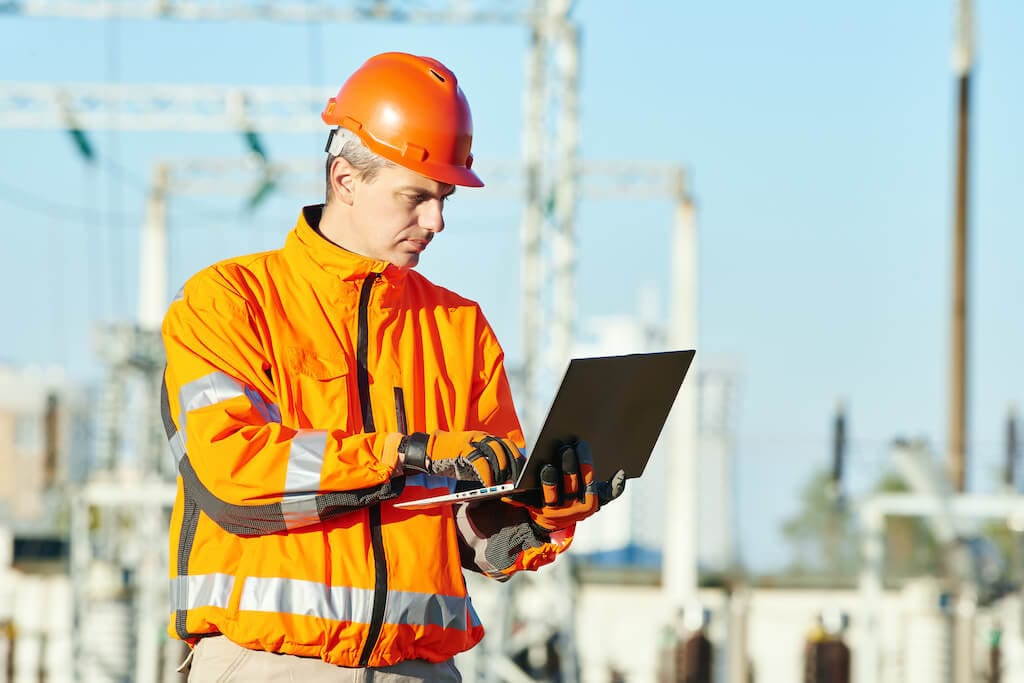
Jobs That Require Qualified Personnel
Many industries require trained professionals for specialized roles. Examples include:
- Truck drivers operating commercial vehicles
- Hazardous materials transportation specialists
- Ship captains responsible for maritime operations
- Industrial equipment operators
- Safety supervisors and inspectors
These roles require proper training, certification, or practical experience to perform the job safely.
Importance in Incident Assessment
When workplace incidents occur, trained professionals often participate in accident investigations and safety assessments. Their knowledge helps determine the cause of the event and identify corrective measures.
Authorities with jurisdiction and administrative oversight may rely on these assessments to implement safety improvements or enforce compliance with safety regulations.
A person becomes qualified through training, experience, or specialized knowledge related to a specific job or task.
Not always. Some roles require formal certification, while others rely on experience and documented training.
They understand hazards and procedures, which helps prevent accidents and ensures compliance with safety regulations.
Employers, regulatory authorities, and industry standards typically define the qualifications required for specific roles.