


Planned maintenance refers to preventive or scheduled maintenance activities performed to avoid equipment, system, or component failures. These activities are initiated based on predictive analytics, periodic inspections, vendor recommendations, or lessons learned from past operations.
It ensures equipment reliability and safety in industrial settings such as railcar and truck loading facilities, processing plants, and oil & gas operations. Performing maintenance before failures occur reduces downtime, protects employees, and lowers emergency repair costs.
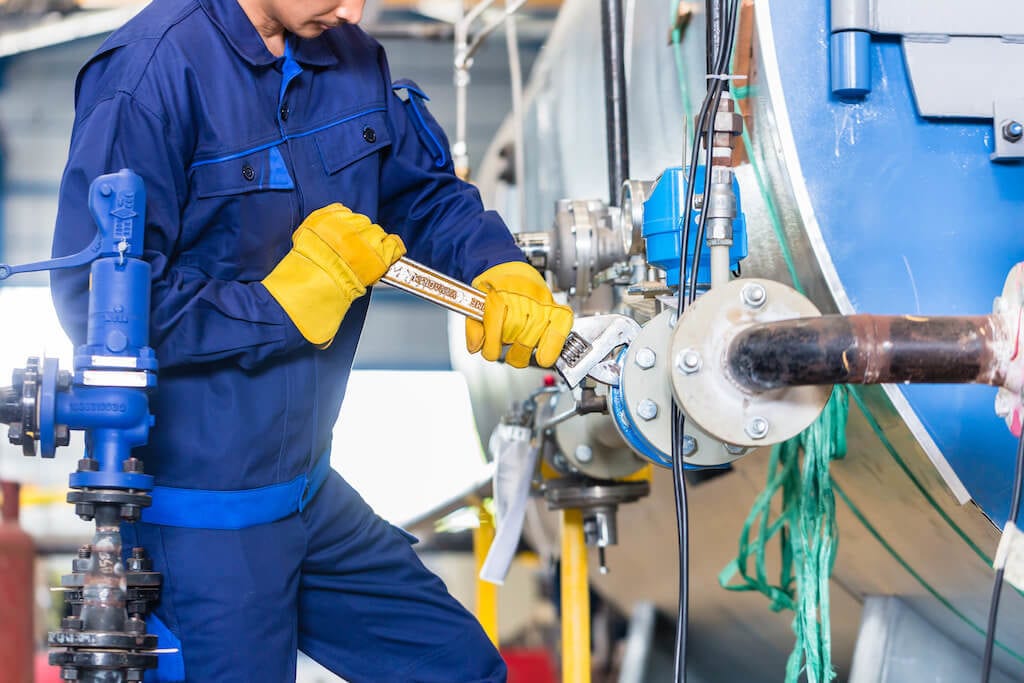
Examples of Planned Maintenance
Scheduled cold weather protection
- Valve repacking before leaks occur
- Replacement of bearings identified via vibration analysis
- Major or minor system overhauls based on vendor guidance or experience
- Replacement of known life-span components before failure
By proactively performing planned maintenance, facilities can avoid corrective maintenance actions that are reactive and often more costly.
It is preventive or scheduled maintenance conducted to prevent failures in equipment, systems, or components.
Corrective maintenance occurs after a failure, whereas it is performed proactively before issues arise.
It reduces downtime, ensures operational efficiency, protects workers, and lowers repair costs.
Railcar/truck loading, oil & gas operations, manufacturing plants, and facilities with high-value equipment rely on planned maintenance
Resources such as the FEMA Operations & Maintenance Best Practices Guide provide detailed guidelines for implementing effective maintenance programs.