

Pigging is a pipeline maintenance process in which operators insert a cleaning or inspection device called a pipeline pig into a pipeline. The pig travels through the pipeline to clean, inspect, or separate materials inside the system.
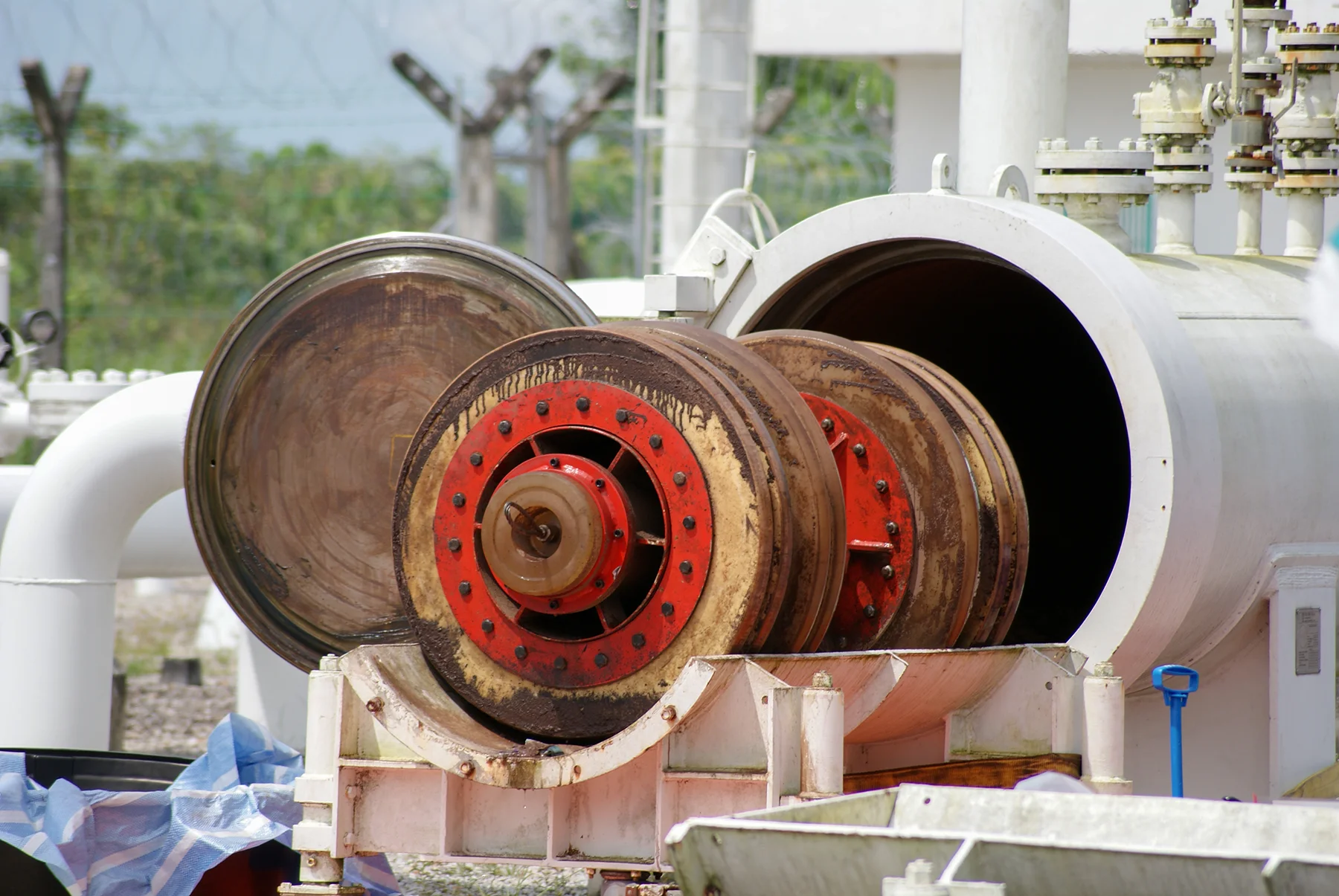
Operators place the pig into the pipeline through a pig launcher (launching station) and remove it at a pig receiver (receiving station). The launcher section is larger than the pipeline diameter so technicians can safely insert the device before it enters the pressurized line.
This process plays a critical role in oil, gas, and chemical pipeline operations, where maintaining flow efficiency and system integrity is essential.
Purpose and Applications
It serves multiple critical functions in pipeline operations:
- Pipeline cleaning – Removing wax, debris, and contaminants
- Inspection – Using intelligent pigs with sensors to detect corrosion, cracks, and wall thickness
- Product separation – Separating different products in multi-product pipelines
- Liquid removal – Clearing slugs of liquid from gas pipelines
- Maintenance – Preventing blockages and maintaining pipeline integrity
When Pigging is Needed
Operators typically perform this in the following situations:
- Routine maintenance schedules to prevent buildup of deposits
- Before or after product changes in multi-product pipelines
- Pipeline inspections required for regulatory compliance
- Commissioning new pipeline sections before operation begins
- Emergency maintenance when operators need to quickly clear the pipeline
Regular pigging operations help maintain safe and efficient pipeline transport systems.
What Is a Pipeline Piping Inspection Gauge?
Piping Inspection Gauge is a mechanical device designed to travel through pipelines. It performs tasks such as cleaning internal pipe surfaces or collecting inspection data.
Modern Piping Inspection Gauge may include:
- Cleaning brushes or scraping discs
- Magnetic sensors for corrosion detection
- Ultrasonic testing tools
- Sensors that measure pipe wall thickness
These tools help pipeline operators identify problems before they cause leaks or failures.
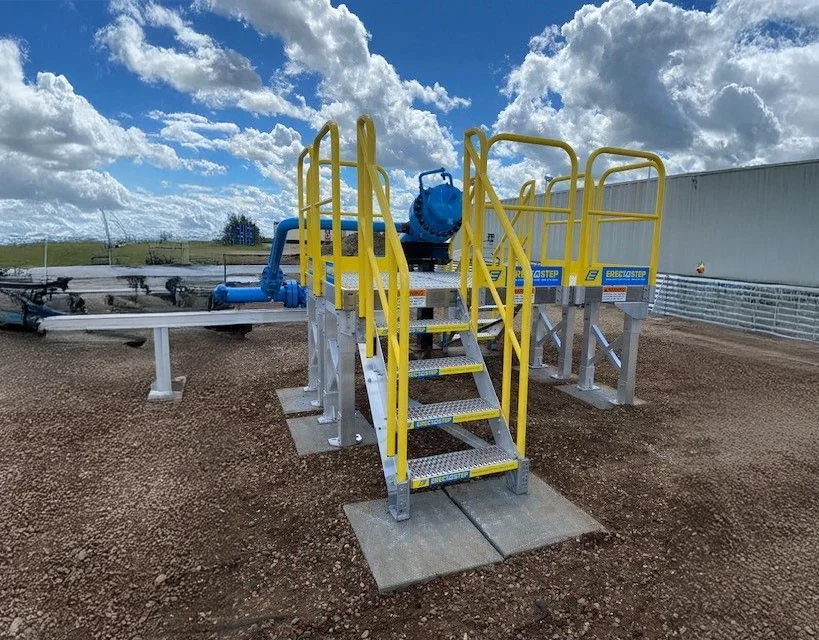
ErectaStep Delivers Fast-Track Platform Solution for Piping Inspection Gauge Launching and Receiving Operations
A recent project with Northern Platforms Ltd., ErectaStep’s Canadian distributor, demonstrates the speed and efficiency of modular platform solutions for critical industrial applications. When a client required a Piping Inspection Gauge launching and receiving platform, the timeline was remarkably compressed:
- Tuesday: Quote and technical drawings provided
- Wednesday: Equipment shipped to customer
- Thursday: Platform installed and operational
This three-day turnaround is an example of ErectaStep’s bolt-together design, eliminating custom fabrication delays while maintaining full OSHA compliance.
Benefits
It provides several operational advantages:
- Improves pipeline flow efficiency
- Removes deposits that cause pressure loss
- Detects corrosion and structural damage early
- Prevents contamination between transported products
- Supports regulatory inspection requirements
Because of these benefits, this remains an essential maintenance practice in pipeline operations.
It is a process where a cleaning or inspection device travels through a pipeline to remove debris or collect inspection data.
It clean internal pipe surfaces, separate products, and inspect pipelines for corrosion or damage.
Operators usually perform this during scheduled maintenance intervals or whenever deposits begin affecting pipeline flow.
It is widely used in oil and gas, petrochemical, and pipeline transport industries.