


Oil and gas extraction is one of the most hazardous industrial activities due to the combination of heavy equipment, flammable materials, confined spaces, and constantly changing work environments. Workers at drilling and production sites face daily exposure to physical, chemical, and environmental risks that require strict safety controls.
According to Occupational Safety and Health Administration, employers are legally required to protect workers from recognized hazards associated with oil and gas operations.
Common Workplace Hazards at Well Sites
Oil and gas work environments present multiple risk factors, including:
- Vehicle and equipment-related accidents
- Workers being struck by moving or falling objects
- Crushing injuries caused by caught-between incidents
- Fires and explosions involving flammable materials
- Slips, trips, and falls
- Confined space hazards
- Exposure to hazardous chemicals
These risks make safety planning and worker awareness essential at every stage of extraction operations.
Situational Awareness and Safe Practices are key for Oil Well Safety.
OSHA mandates that employers must protect the safety and health of workers involved in oil and gas operations according to regulations to avoid environmental disasters in an industrial setting. Therefore these regulations should be understood.
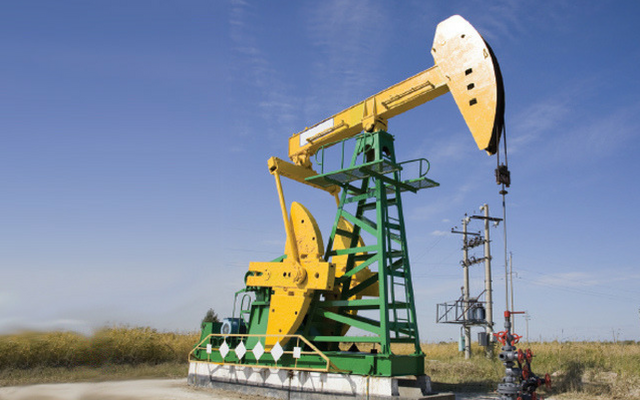
Roles and Responsibilities on Site
Maintaining a safe worksite is a shared responsibility. On most drilling operations, safety oversight is handled by the drilling superintendent and toolpusher, with additional corporate audits conducted as needed. However, day-to-day safety improvements depend on proactive observation, worker training, and immediate correction of unsafe conditions.
Best Practices for Reducing Risk
Several practical measures can significantly lower accident rates on oil and gas sites:
- Maintain clear traffic controls where vehicles and equipment operate
- Encourage strong situational awareness, especially in noisy environments
- Limit distractions such as mobile phones near active operations
- Follow confined space entry procedures with trained attendants
- Use appropriate personal protective equipment for chemical exposure
- Install fall protection systems when working at elevated heights
Consistent attention to these practices helps prevent serious incidents and reinforces a culture of safety.
Staying Vigilant in a High-Risk Industry
Oil and gas extraction sites are inherently dangerous, and complacency can lead to severe consequences. Continuous awareness, adherence to established safety protocols, and regular training give companies a critical advantage in protecting their workforce.
Because it involves heavy machinery, flammable substances, confined spaces, and high-risk work conditions.
Federal workplace safety regulations are enforced by OSHA.
Vehicle accidents, struck-by incidents, falls, fires, and confined space hazards.
Yes. Employers must identify hazards and implement controls to protect workers.
By enforcing safety procedures, providing training, improving situational awareness, and using proper safety equipment.