


Odorants are chemical additives added to odorless gases, such as natural gas, to make them detectable by smell. This is a critical safety precaution because natural gas is highly combustible and otherwise cannot be detected by sight or standard smoke/CO alarms.
The most common odorant used is mercaptan, a harmless chemical that gives gas a distinctive rotten egg or sulfur-like smell. This ensures that gas leaks can be quickly detected, reducing the risk of fire or explosions.
Why Odorants Are Used
- Natural gas is odorless, making leaks hard to detect.
- Added odorants provide a distinctive smell, alerting people to leaks.
- Mercaptan is non-toxic and safe for use at low concentrations.
- Required by government regulations for public safety.
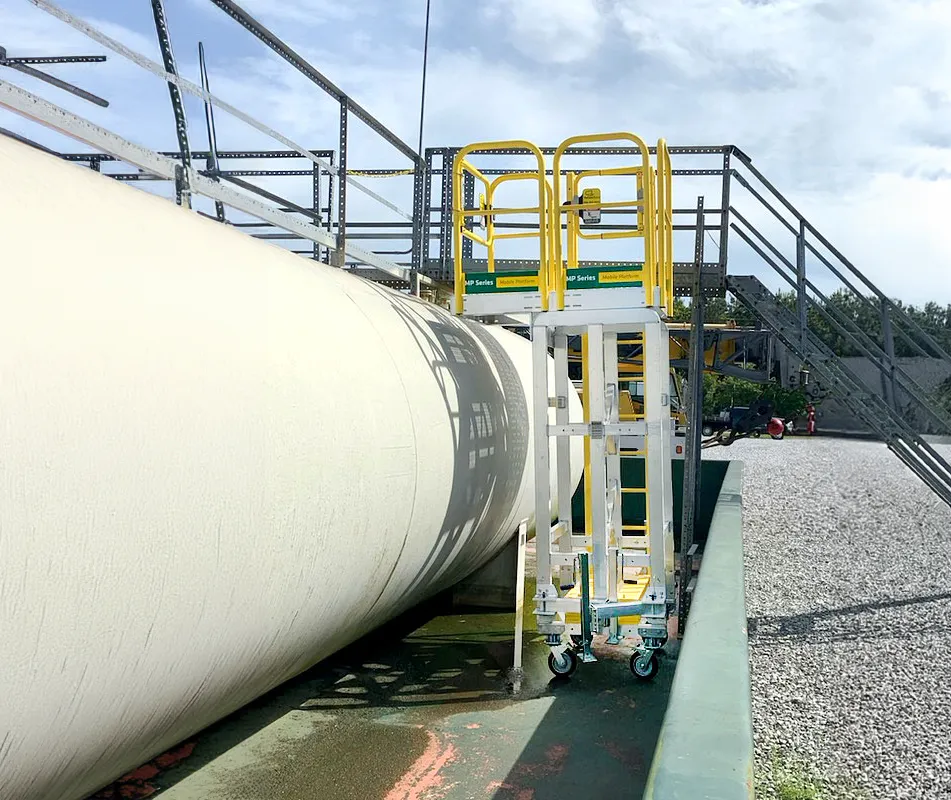
How Odorants Work
These are mixed into natural gas pipelines before distribution. Even tiny leaks release enough of the these to be noticeable, allowing individuals or workers to detect gas and take corrective action before accidents occur.
Applications
- Safety monitoring in gas distribution
- Natural gas pipelines
- Residential and commercial gas delivery
- Industrial gas systems
This is a chemical additive mixed with odorless gases to give them a detectable smell for safety purposes.
Natural gas is odorless and highly flammable, so these help detect leaks before they cause accidents.
Mercaptan is the most widely used odorant, giving gas a distinctive rotten egg or sulfur-like smell.
When used in proper concentrations, like mercaptan are safe and non-toxic.
These are added to natural gas pipelines, residential, commercial, and industrial gas systems to ensure leak detection.