


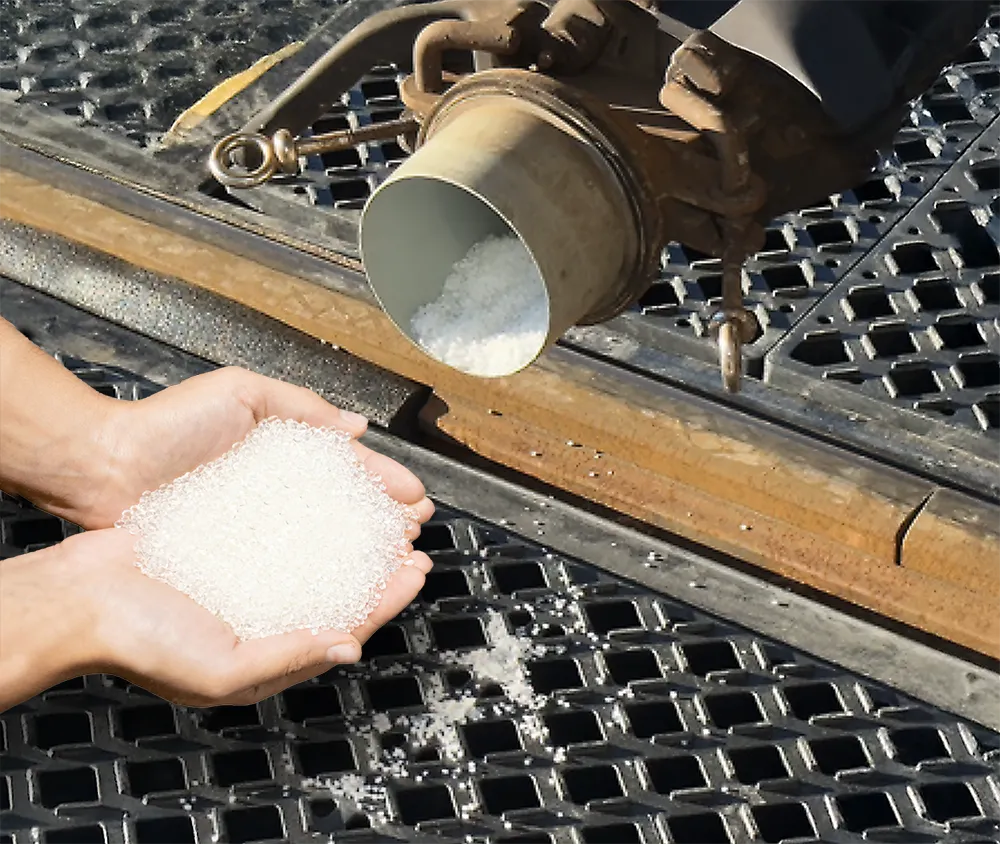
Nurdles are small, uniform plastic pellets that act as the base material for producing a wide range of plastic products. These pellets are typically only a few millimeters in size and are moved in large volumes across manufacturing, storage, and transportation environments.
They are an essential part of the plastics supply chain, serving as the starting point before plastic is melted, molded, or extruded into finished goods.
How Nurdles Are Used and Transported
Plastic pellets are commonly shipped in bulk using railcars, trucks, containers, and bulk bags. During loading, unloading, and transfer operations, pellets may pass through conveyors, hoses, or gravity-fed systems.
Because of their size and quantity, even minor handling failures can lead to unintended releases into surrounding areas.
Environmental Impact of Pellet Loss
When pellets escape containment, they can enter storm drains, soil, and nearby waterways. Once released into the environment, they do not biodegrade and may remain present for decades.
Wildlife, particularly aquatic species, may ingest these materials after mistaking them for food, leading to serious ecological harm and long-term contamination.
Importance of Containment and Compliance
Preventing pellet loss is a key responsibility for facilities involved in plastic manufacturing and distribution. Many environmental agencies emphasize proactive controls and infrastructure to reduce pollution risks during bulk handling activities.
Containment systems, controlled loading areas, and proper operational procedures help facilities meet environmental expectations while reducing cleanup costs and liability exposure.
Facility Solutions for Pellet Handling
Industrial facilities often rely on engineered containment solutions around transfer points, loading platforms, and transportation interfaces. These systems help capture escaped material before it reaches the environment and support responsible operations.
SafeRack provides containment-focused infrastructure designed to support facilities handling bulk plastic materials during transfer and transportation processes.
Yes. Due to their size, they are often classified as microplastics when released into the environment.
Their small size allows them to spread easily, persist for long periods, and enter ecosystems where they can be ingested by wildlife.
Losses typically happen during loading, unloading, transfer, or transport operations.
Yes. Proper containment systems, handling procedures, and facility design significantly reduce the risk of releases.
In many cases, yes. Environmental regulations may require reporting, cleanup, and corrective action after a release.