


A manual control valve is a type of valve that regulates the flow of liquids in industrial piping systems using a hand-operated wheel. By turning the wheel, operators can gradually open or close the valve, providing precise control over fluid movement. These valves are commonly found on gate, globe, and diaphragm valves and are especially useful in high-pressure systems where careful adjustments are required to prevent damage or hazards.
Manual control valves play a critical role in process safety. They allow for system isolation, controlled shutdowns during maintenance, and emergency interventions, ensuring that industrial operations can be conducted safely and efficiently.
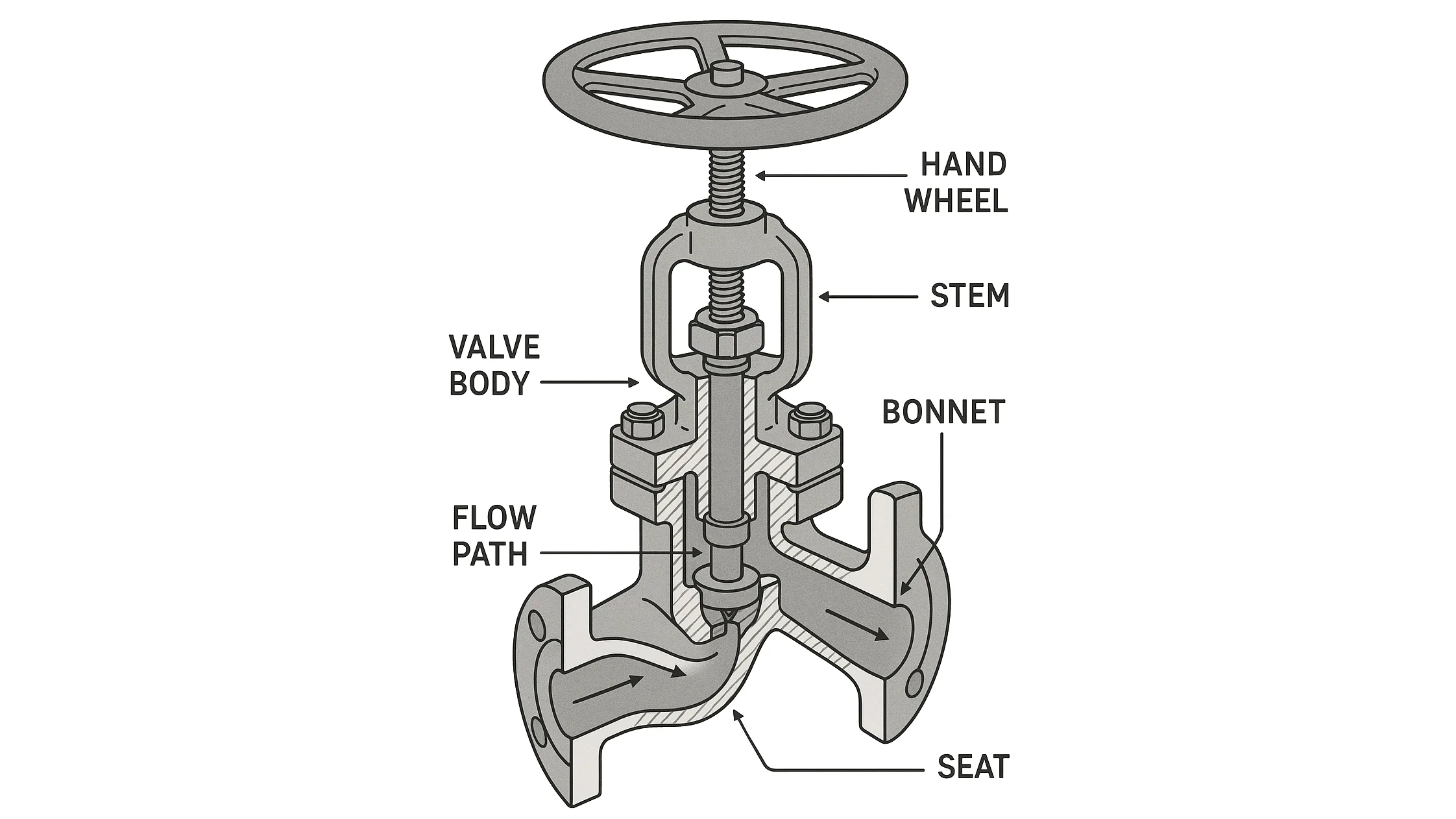
How It Works
- Hand Wheel Operation: Rotating the wheel adjusts the valve position for gradual flow control.
- Flow Regulation: Offers precise control over fluid rate to prevent sudden pressure changes.
- System Isolation: Enables sections of a piping system to be shut down safely for maintenance or in emergencies.
These valves are essential in industrial plants, chemical processing facilities, and fuel storage operations. Proper installation and periodic inspection are necessary to maintain safety and performance.
Applications
- Industrial piping systems with high-pressure fluid lines.
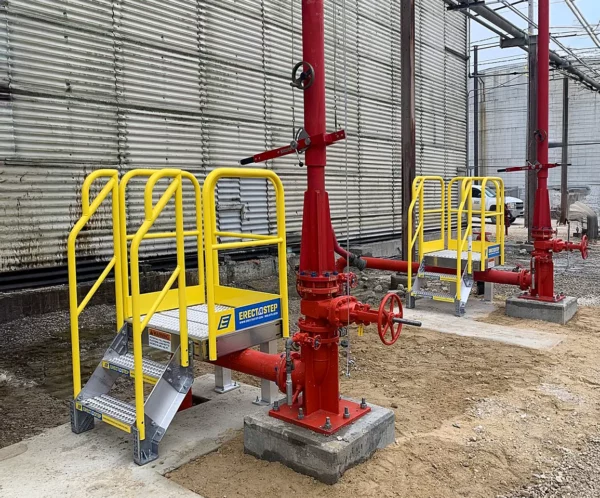
- Fire suppression risers in storage facilities and grain silos.
- Chemical and fuel processing plants for controlled fluid handling.
- Systems requiring safe isolation during maintenance or emergency procedures.
Manual control valves are often paired with platforms, stairs, or access solutions to ensure operators can safely reach and operate the valve, especially in elevated or hard-to-access locations.
A valve that uses a hand-operated wheel to regulate the flow of liquids in a piping system.
They are commonly used in industrial, chemical, and fuel processing plants, as well as fire suppression systems.
Turning the hand wheel gradually opens or closes the valve, allowing precise flow regulation.
They allow for safe system isolation, controlled shutdowns, and emergency interventions.
Yes, regular inspection is recommended to ensure smooth operation and to prevent leaks or mechanical failures