


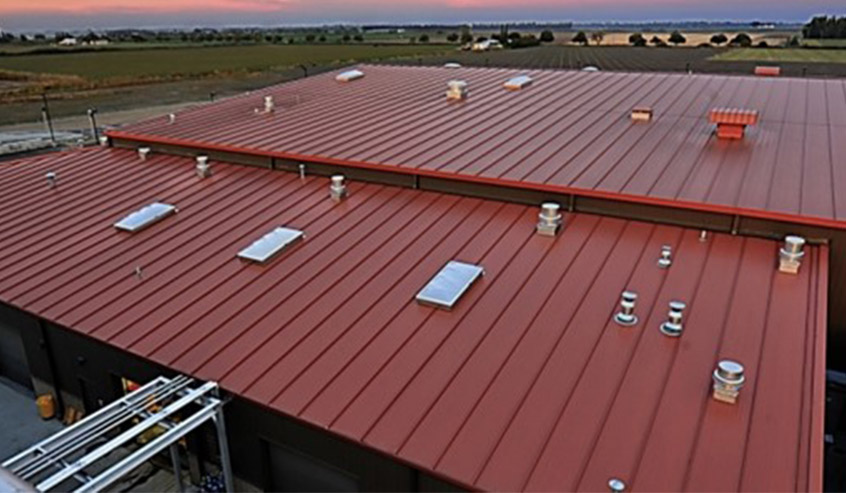
A low slope roof is a roof structure with a pitch that is less than or equal to 4:12 (four units of vertical rise for every twelve units of horizontal run). This definition is commonly used in workplace safety standards, including those outlined by OSHA.
Because this type of roof has a minimal incline, it often appears almost flat. These surfaces are common in commercial buildings, warehouses, and industrial facilities.
Characteristics of Low-Slope Roofs
Roof systems with minimal pitch have several distinct features:
- Minimal incline: The surface is nearly level compared to steep roof designs.
- Common in industrial buildings: Frequently used on factories, terminals, and warehouses.
- Drainage considerations: Proper drainage systems are necessary to prevent water pooling.
- Maintenance access: Workers often need to access these roofs for equipment installation or repairs.
Due to these factors, safety precautions are especially important when employees work at height.
Fall Protection Requirements
Work performed on roofs with limited slope may require protective systems to reduce the risk of falls. Safety regulations often recommend or require protective equipment such as:
- Guardrail systems installed around roof edges
- Personal fall protection systems for workers performing maintenance
- Warning lines or safety monitors in designated work areas
These measures help ensure compliance with safety regulations and protect workers from fall-related injuries.
Importance of Workplace Safety
Roofs with shallow pitch may appear safer than steep ones, but they still present significant hazards. Slippery surfaces, unprotected edges, and weather conditions can increase the risk of falls.
Installing appropriate safety equipment and following workplace safety standards helps prevent accidents and supports a safer working environment for employees performing roof maintenance or inspections.
It means the roof rises four units vertically for every twelve units of horizontal distance.
They are not completely flat but have a very small incline that allows water to drain slowly.
They are widely used in commercial buildings, warehouses, and industrial facilities.
Workers operating near roof edges are still at risk of falls, so protective systems are required in many workplaces.