


A lifeline is a critical component of a fall protection system. It consists of a flexible line that connects workers to a secure anchorage point. Lifelines are used to prevent falls or reduce fall impact while working at heights, making them essential for construction, maintenance, and industrial safety.
There are two main types:
- Vertical – Connected at one end to an anchorage and used on structures like scaffolds or towers. Workers attach a lanyard or self-retracting device to the lifeline to move safely up and down.
- Horizontal – Stretched between two anchor points, allowing workers to move horizontally across elevated work areas while remaining secured.
According to OSHA, a proper lifeline should have a minimum diameter of 3/4 inch (manila or equivalent) and a minimum breaking strength of 5,400 pounds. These are designed to connect to other components of a personal fall arrest system (PFAS) such as harnesses and deceleration devices, providing a secure safeguard against fall hazards.
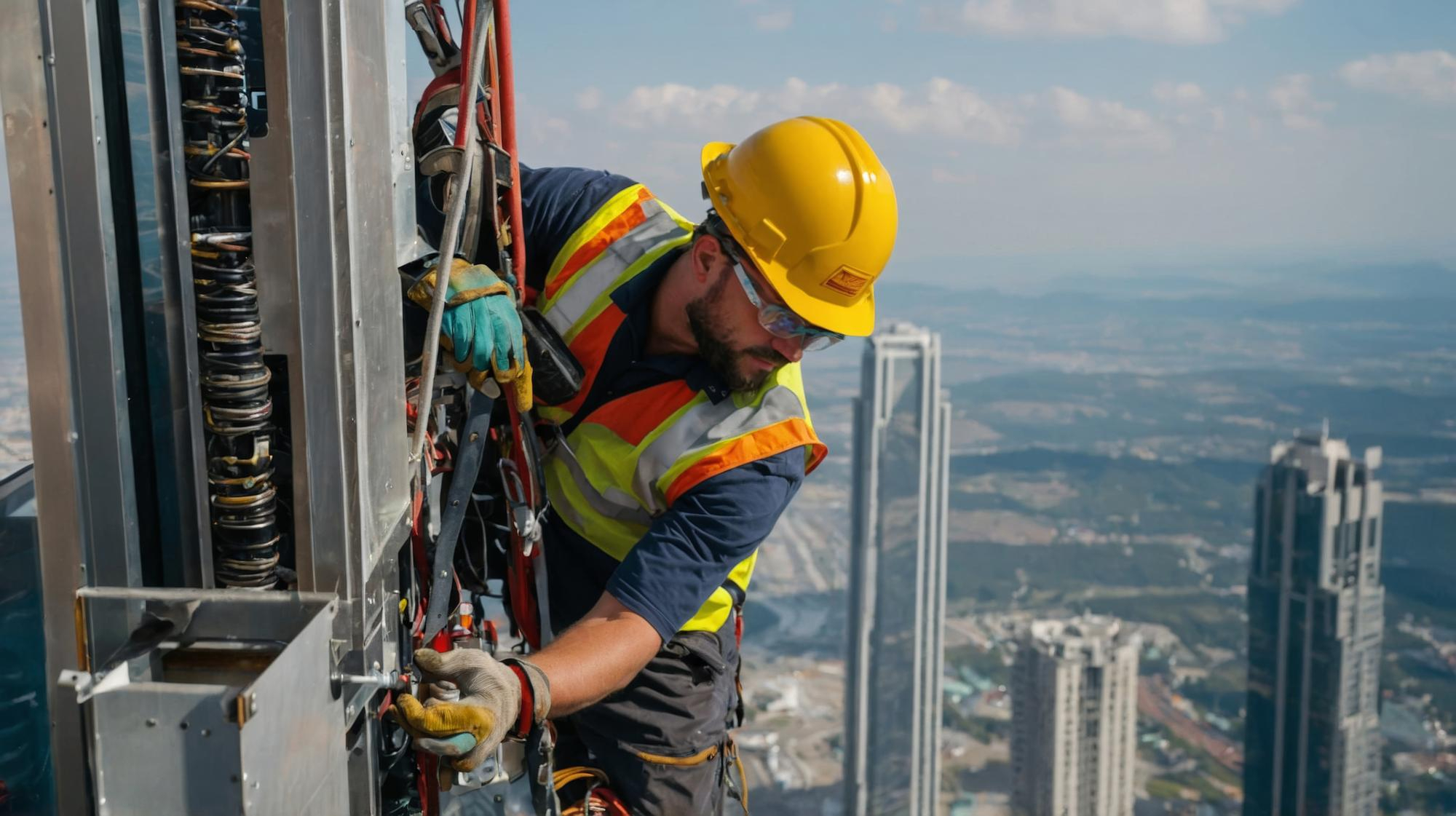
Key Uses of Lifelines
- Construction scaffolds and towers
- Industrial maintenance at heights
- Rooftop work and elevated platforms
- Integration with personal fall arrest systems (PFAS)
This is a flexible line that connects workers to a secure anchor point, preventing falls or reducing fall impact when working at heights.
Vertical lifelines (for moving up/down) and horizontal lifelines (for moving across elevated areas).
They must be at least 3/4 inch in diameter (manila or equivalent) and have a minimum breaking strength of 5,400 pounds.
They connect to harnesses, lanyards, and deceleration devices to form a personal fall arrest system.
On scaffolds, rooftops, towers, industrial platforms, and any elevated work areas.