


Hazmat placards are standardized labels used on vehicles and containers to identify the presence of hazardous materials during transportation. These placards provide quick, visible information about the type of risk involved, helping workers, handlers, and emergency responders act safely.
Transporting hazardous substances requires strict precautions, and placards play a key role in preventing accidents and ensuring compliance with safety regulations.
The Role of UN Numbers
In international transport, the United Nations (UN) regulates hazardous materials through a globally recognized system.
- Each hazardous substance is assigned a unique four-digit UN number
- These numbers help identify:
- Proper shipping names
- Packing groups
- Compatibility groups
Using UN numbers ensures that hazardous materials are correctly classified, labeled, and handled across borders. This system is essential for protecting:
- Human health
- Worker safety
- The environment
Placard Placement Requirements
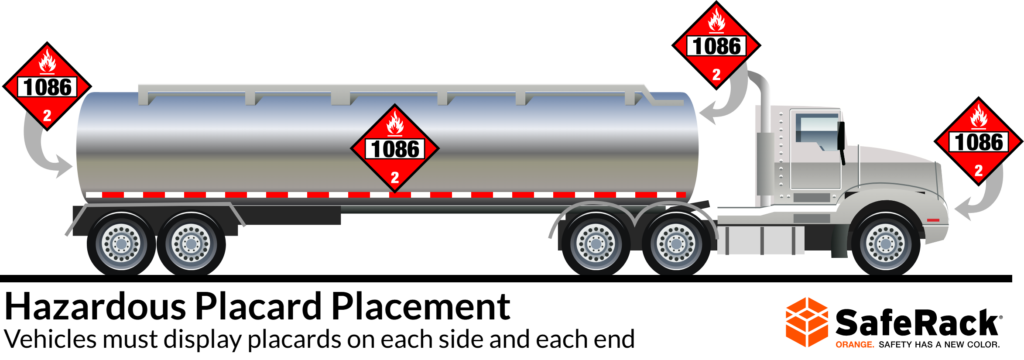
For safe transport, placards must be clearly visible on vehicles carrying hazardous materials.
- Displayed on all four sides (each side and each end)
- Positioned for easy identification during transit or emergencies
- Must remain visible and legible at all times
Proper placement allows emergency responders to quickly assess risks in case of an accident.

Hazmat Placard Classifications
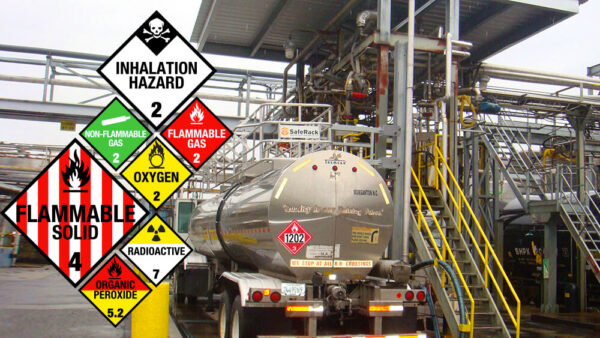
Hazmat placards are divided into different classes, each representing a specific type of hazard. Some common categories include:
- Explosives
- Gases (flammable, non-flammable, toxic)
- Flammable liquids
- Flammable solids
- Oxidizers and organic peroxides
- Toxic and infectious substances
- Radioactive materials
- Corrosive substances
- Miscellaneous dangerous goods
Each class has a distinct symbol, color, and number, making it easier to identify hazards at a glance.
Why Hazmat Placards Matter
- Ensure safe handling and transportation of dangerous goods
- Help workers quickly recognize potential hazards
- Enable emergency teams to respond effectively
- Support compliance with international and local regulations
Without proper placarding, the risk of accidents, exposure, and environmental damage increases significantly.
It is a warning label used on vehicles and containers to identify hazardous materials and their risks.
UN numbers are four-digit codes assign to hazardous substances for proper identification and safe transport.
They must be displayed on all four sides of a vehicle, both sides and both ends
They help ensure safety, regulatory compliance, and quick emergency response in case of accidents.
Anyone working with or around hazardous materials, including drivers, warehouse staff, and emergency responders.