


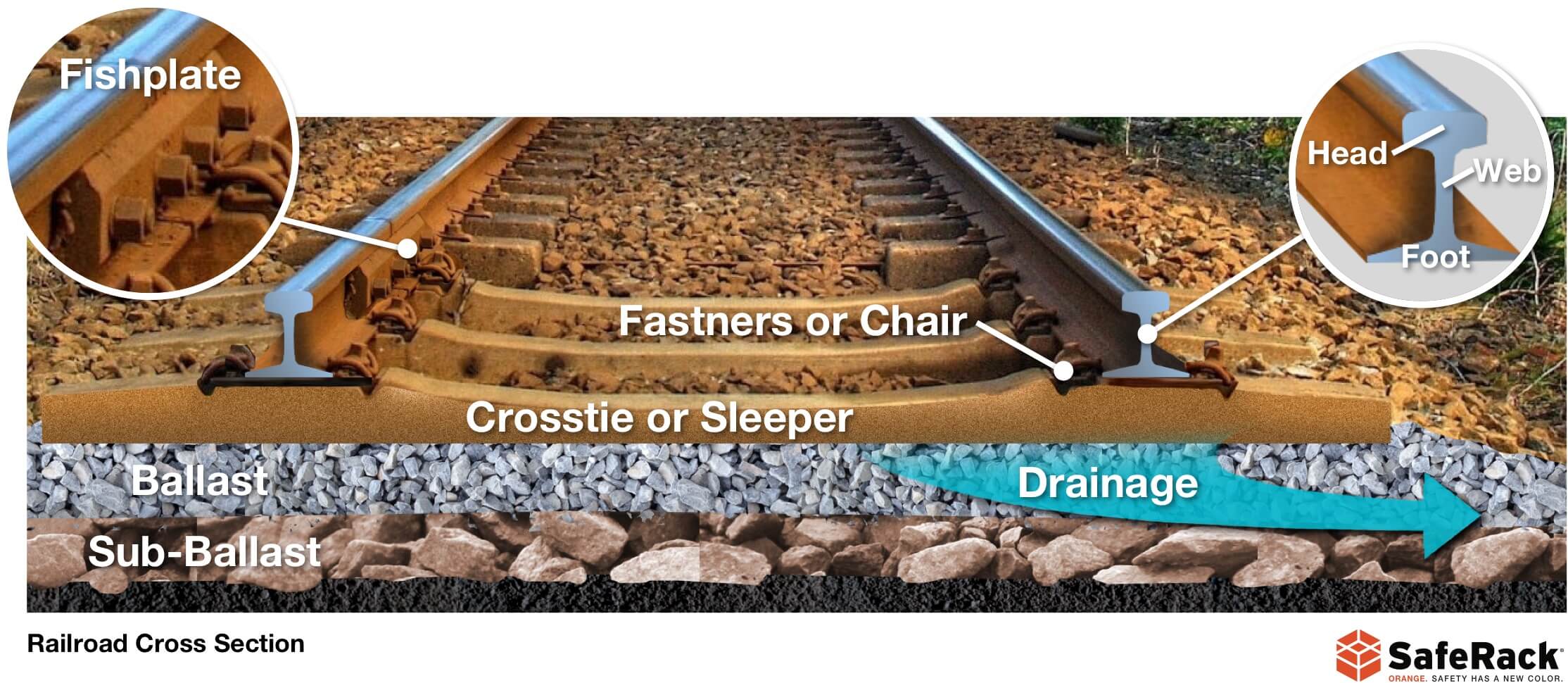
A fishplate (also known as a rail joint) is a metal bar use to connect two sections of railway track. It is fixed to the sides of the rail ends to keep them properly align and securely joined.
Fishplates play a key role in ensuring that trains can move smoothly and safely across track joints.
How Fishplates Work
Fishplates are typically install in pairs, one on each side of the rail and are:
- Bolted or sometimes welded to the rail ends
- Designed to keep rails aligned and evenly spaced
- Built strong enough to handle heavy train loads and vibrations
This connection helps maintain a continuous track surface, even though the rails are install in sections.
Why Fishplates Are Important
Fishplates are a critical component of railway infrastructure. They help:
- Maintain track alignment and stability
- Distribute the weight of passing trains evenly
- Prevent rails from shifting or separating
- Reduce the risk of track damage and derailments
Without proper rail joints, tracks could become unstable, leading to serious safety issues.
Materials and Design
Most fishplates are make from high-strength steel, allowing them to:
- Withstand heavy loads
- Resist wear and tear
- Perform reliably in different weather conditions
They are engineer to match the profile of the rail, ensuring a tight and secure fit.
It is also call a rail joint or joint bar.
To connect and align two rail sections, ensuring smooth and safe train movement.
They are usually make of steel for strength and durability.
They are typically bolted to the sides of rail ends using strong fasteners.
They prevent rails from separating or misaligning, which could cause derailments.