


Electrical isolation is the process of separating electrical energy sources from equipment or systems to prevent accidental contact, shock, or arc-related hazards. It is a critical safety practice in industrial environments where workers operate near high-energy systems.
In facilities handling hazardous operations, systems like grounding and monitoring solutions and protective infrastructure such as spill containment systems support effective electrical isolation by reducing risks associated with electrical faults and energy discharge.
How Electrical Isolation Works
Its ensures that electrical energy is fully disconnected before maintenance or operation.
Process:
- Identify the electrical energy source
- Shut down and disconnect power supply
- Apply isolation devices (switches, breakers, lockout systems)
- Verify zero energy state
- Perform work safely
This process is essential in operations involving systems like loading arms and couplings where electrical and mechanical safety must work together.
Applications of Electrical Isolation
It is widely used in:
- Industrial plants and manufacturing facilities
- Oil and gas operations
- Power generation systems
- Maintenance and repair environments
- Fuel loading and transfer areas
These environments also rely on access systems such as loading platforms and railcar gangways to ensure safe worker access during operations.
Benefits and Importance in Electrical Isolation
Using it provides several key advantages:
- Prevents electric shock and arc flash incidents
- Protects workers during maintenance
- Reduces risk of equipment damage
- Ensures compliance with safety regulations
- Improves overall workplace safety
Additional protection is achieved with systems like fall protection equipment and controlled access solutions such as safety gates.
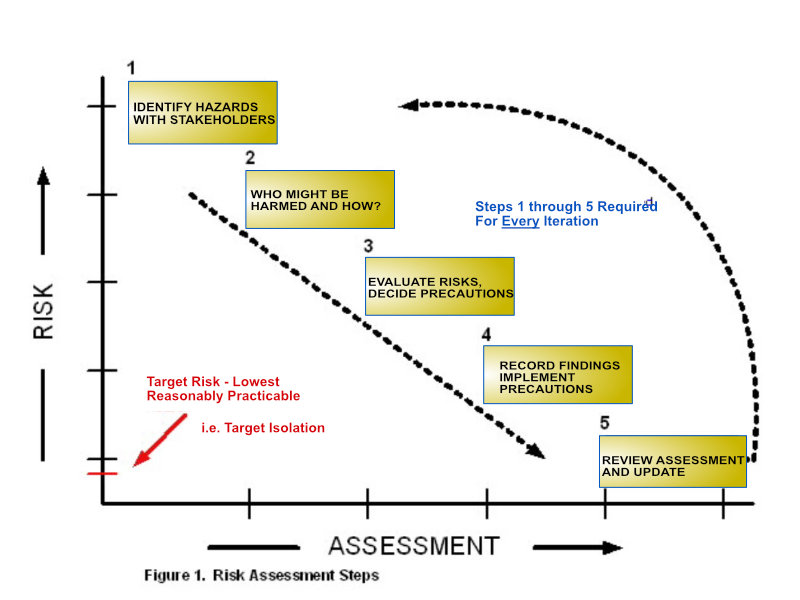
Risk Assessment for Electrical Hazards
Proper requires a structured risk assessment.
Key Steps:
- Identify potential electrical hazards
- Evaluate risk levels and exposure
- Implement isolation procedures
- Use safety devices and monitoring systems
- Regularly inspect and maintain equipment
Safety tools like grounding systems and containment solutions help minimize risks in hazardous environments.
Key Considerations
When implementing electrical isolation, consider:
- Proper lockout/tagout procedures
- Verification of zero energy state
- Use of certified safety equipment
- Training for personnel
- Compliance with industry standards
It is the process of disconnecting electrical energy sources to ensure safe operation and maintenance.
It prevents electrical hazards such as shock, arc flash, and equipment damage.
It is use in industrial plants, power systems, and maintenance operations.
It is achieve by disconnecting power sources and using isolation devices like breakers and lockout systems.