


A Drybreak is a safety device designed to prevent spills during fuel or chemical transfer operations. It ensures that the operator cannot disconnect the assembly until the internal valve is properly closed, reducing the risk of accidental spills.
Drybreaks are commonly used in fuel depots, chemical plants, and tanker loading operations to maintain safety and environmental compliance.
How a Drybreak Works
A Drybreak has two main components:
- Coupler – Attached to the end of a bottom-loading hose or loading arm.
- Adapter – Connected to the tanker’s delivery or loading port.
When these two parts are connected, the internal valve allows the product to flow. Once the valve is closed, the Drybreak can be safely disconnected without any spillage.
Using a Drybreak is considered a best safety practice in any facility handling liquid fuels or chemicals.
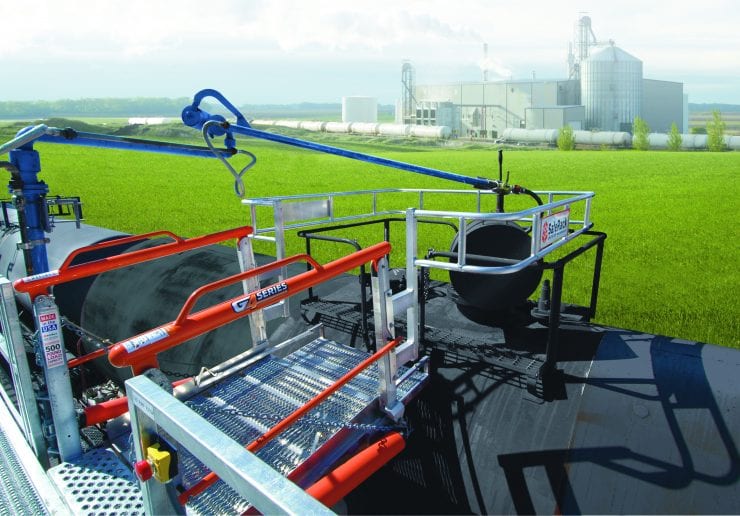
Benefits of Using This
- Prevents fuel or chemical spills during loading and unloading
- Reduces environmental hazards and cleanup costs
- Increases safety for operators handling hazardous liquids
- Ensures compliance with regulatory safety standards
It is a spill-prevention device that stops the operator from disconnecting a hose or loading arm before the valve is closed.
These are used in fuel depots, chemical plants, tanker trucks, and industrial loading operations.
The internal valve only allows the assembly to be disconnected when closed, preventing any liquid from escaping.
The coupler connects to the loading hose or arm, and the adapter connects to the tank or tanker port.